An epic that begins with anger
The Iliad opens neither with the golden apple nor with the Greek army’s first arrival at Troy, but with the quarrel between Achilles and Agamemnon. Apollo sends a plague, forcing the army to face the consequences of insulting his priest. The leaders’ conflict over honor then changes the fate of countless soldiers.
The gods enter the battlefield
Hera, Athena, Apollo and other gods have their own loyalties, making the battlefield a place where divine and human actions intertwine. A hero’s courage does not guarantee control of the outcome. The poem also makes room for families and farewells: Hector defends his city, but he is also a husband and a father.
No wooden horse at the ending
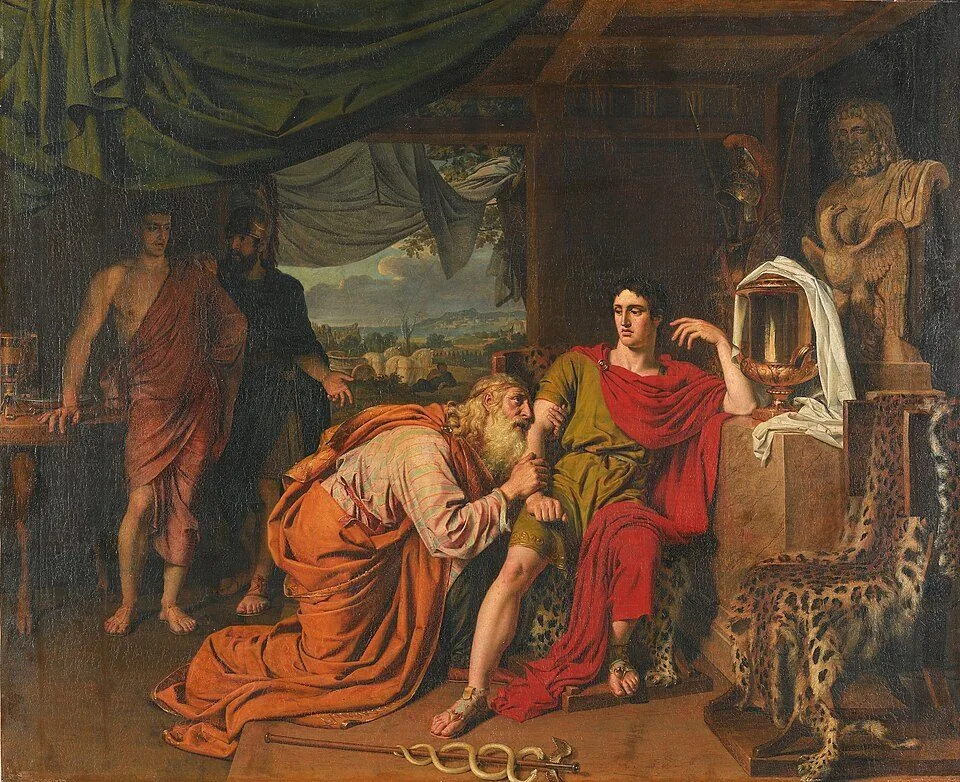
The epic ends with Hector’s funeral. The elderly Priam enters the enemy camp to ask Achilles for his son’s body. For a moment, each recognizes the other’s grief through his own loss. Mourning and burial close the poem, rather than a celebration after Troy has burned.
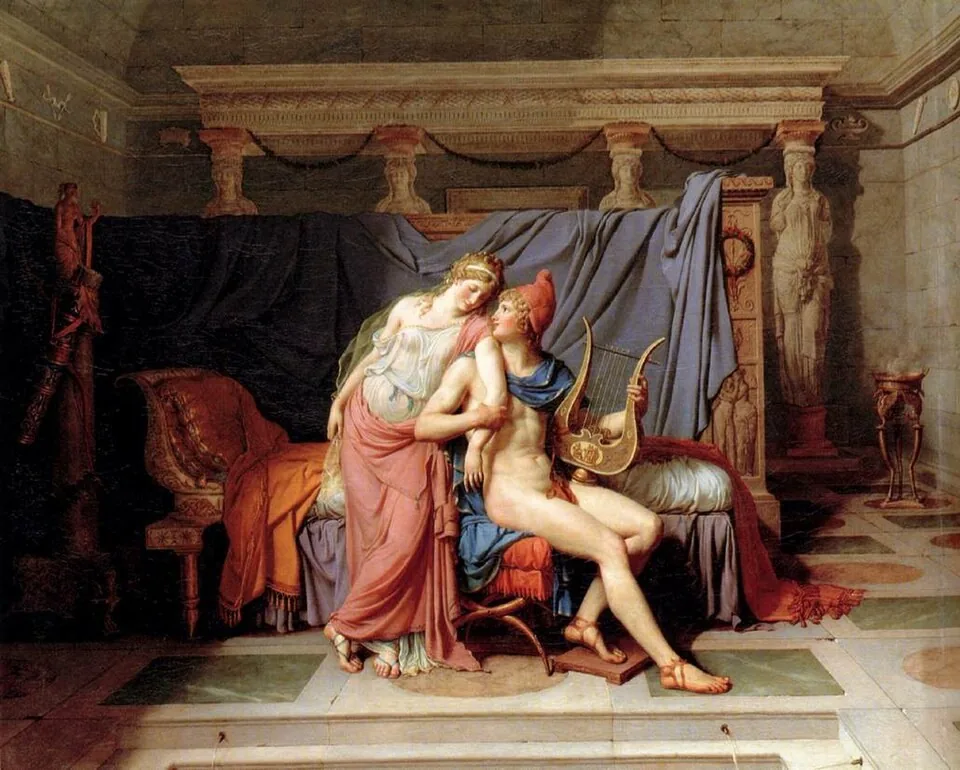
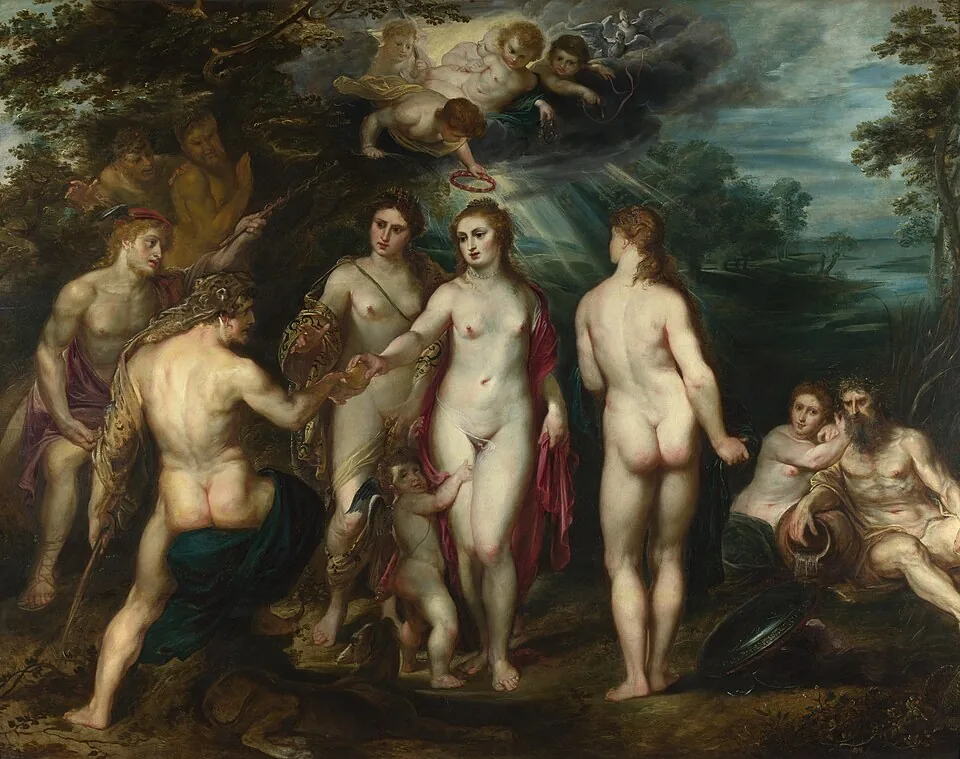
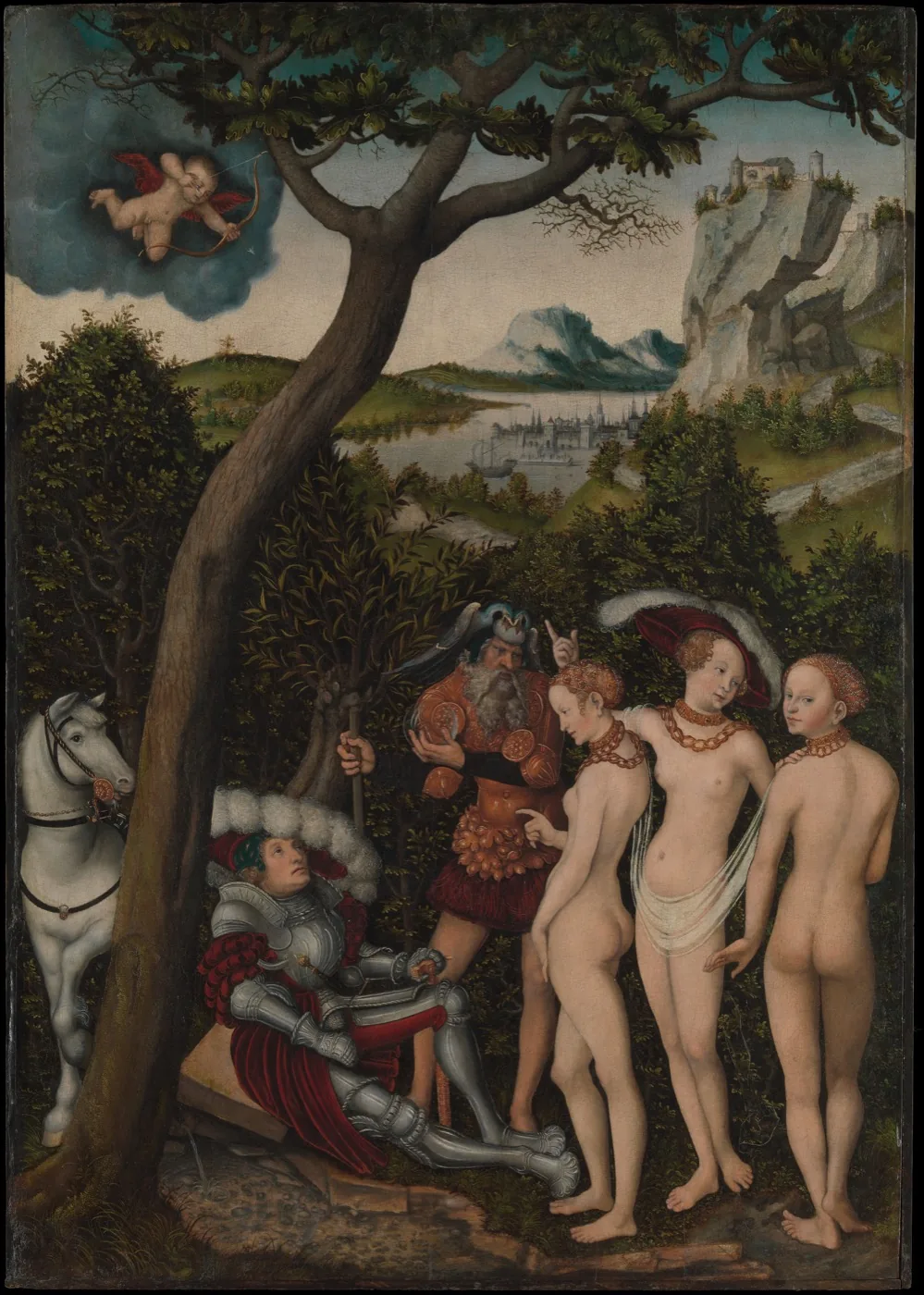
The horse has not disappeared from ancient literature. In Book Eight of the Odyssey, a singer recalls its entry into Troy and the hidden warriors’ attack. The Judgment of Paris, the war’s origins and details of the city’s fall also come from other ancient poems, mythological compilations and later works. The familiar complete story gradually emerged from many sources.
Keep a source for each account
Ask which work supplies an episode, then how it depicts responsibility and suffering. Later poets, painters and modern films continue to reshape Troy. Their retellings do not make every detail part of Homer’s original text. Preserving sources and versions is more useful than searching for a standard story without differences.