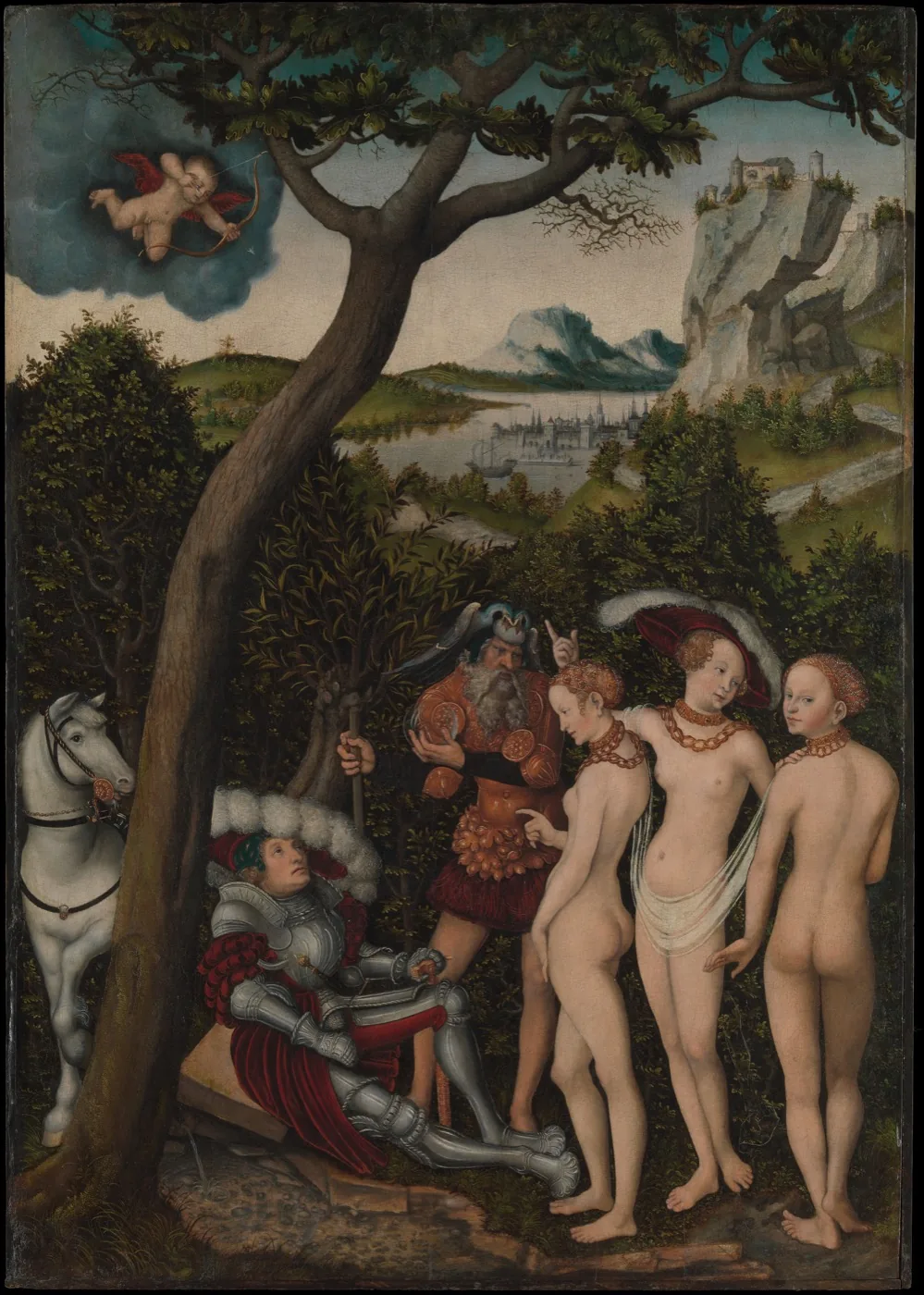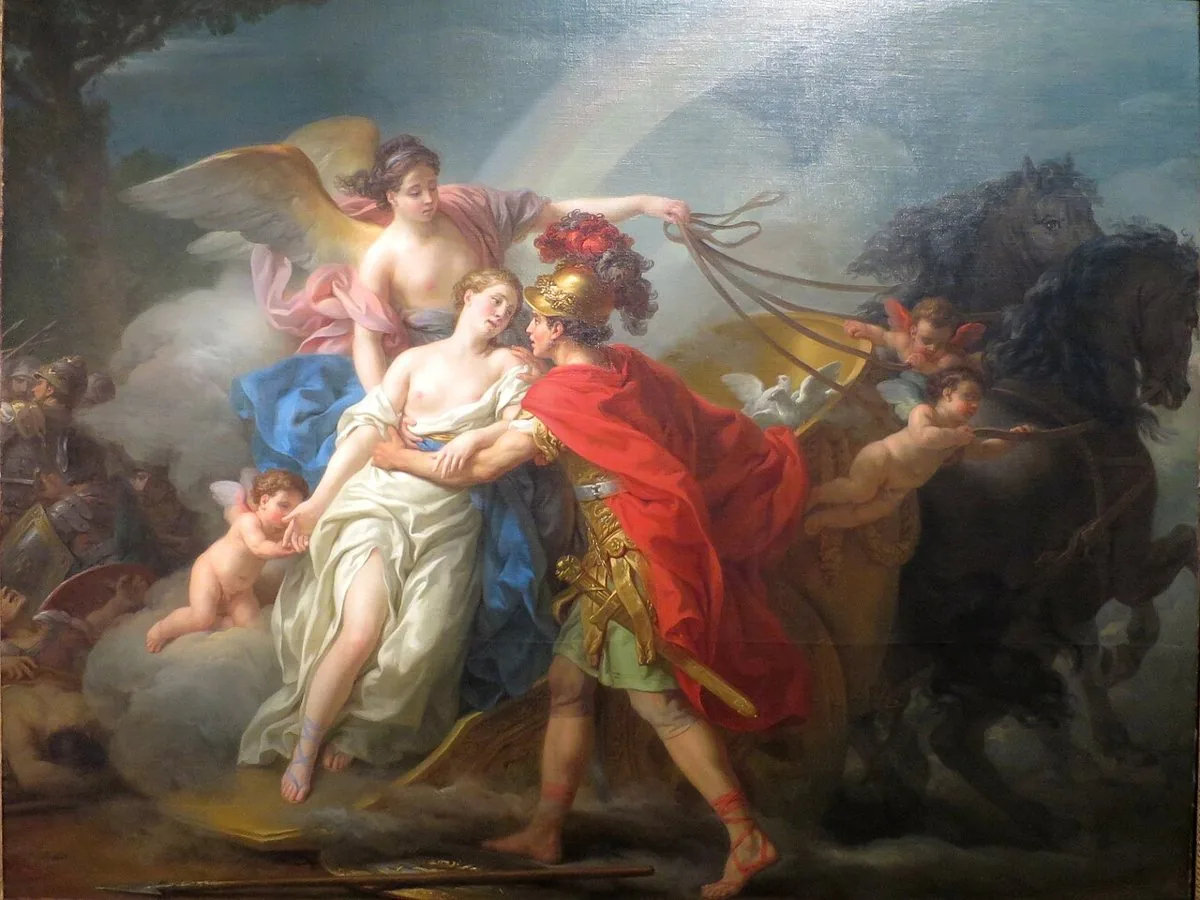
Helen on the city wall
The third volume of "The Iliad" has Helen standing on the wall of Troy and identifying the heroes of the Greek army to Priam. She is familiar with people outside the city and also lives under the eyes of people inside the city. The elders admired her beauty, but at the same time felt that the cost of the war was heavy; Priam did not directly put all the blame on her. This scene places Helen between two groups, making her both someone who watches the war and someone who is constantly being watched and judged during the war.
Who has the right to explain?
In Euripides' "The Trojan Women", Helen defends herself and Hecuba refutes her point by point. Both sides offer different explanations for desire, divine intervention, and human responsibility, leaving the audience unable to resolve the dispute with a simple conclusion. What is noteworthy here is not the search for the only credible confession, but who can speak after defeat and who can decide punishment. The myth therefore takes on a judgment-like tension, allowing us to see that the victor may also cover up his choice in convenient terms.
The version that never reached Troy
"Helen" adopts another set of traditions: the real Helen stayed in Egypt, and what Paris brought to Troy was a phantom created by the gods. As a result, the long-term war revolves around a woman who does not exist in the city. This version is not an additional detail to Homer's story, but an alternative narrative that changes the basis of the story. It separates truth from reputation, giving people a new understanding of the infamy a person may bear without personally causing it, and the distance between war propaganda and reality.
See the person beyond the label
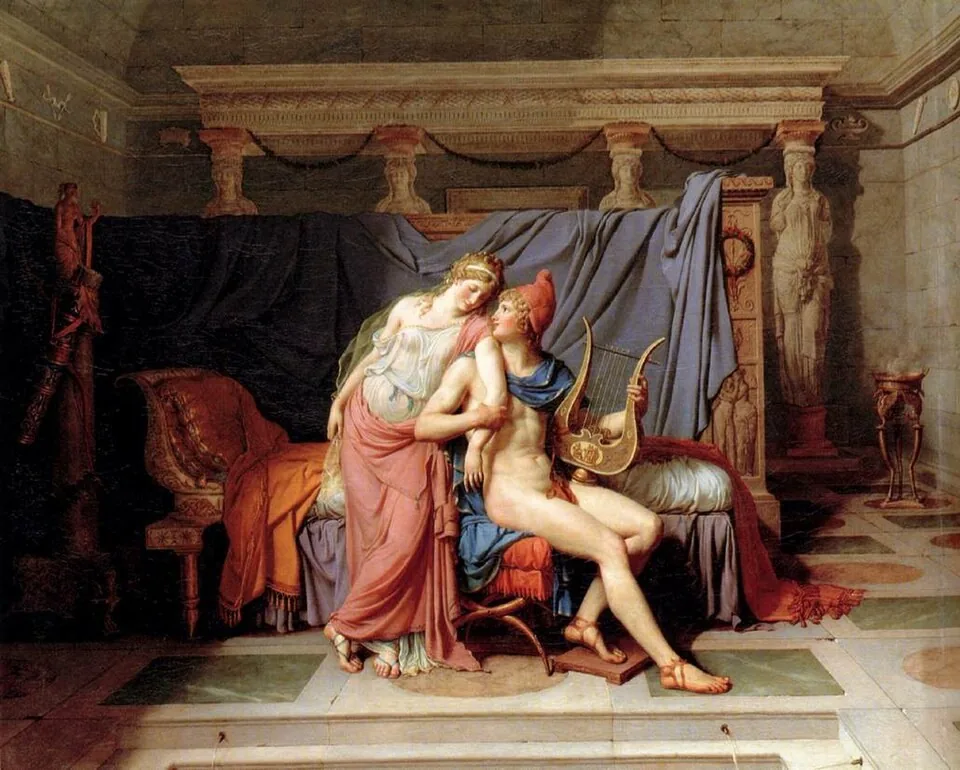
Later paintings often depict Helen and Paris as lovers, focusing the conflict on the gestures and gazes in the room. When reading the text, beauty, marriage, migration and war responsibility should be examined separately. Calling her a destructive beauty responsible for the war would erase the actions of armies, rulers, and gods, and would render arguments between different authors meaningless. Helen's story lends itself well to practicing comparative versions: the same name can carry blame, justification, accusation, and even doubt about the entire rationale for the war.