The dispute at the wedding
Common narratives in later generations place the dispute at the wedding of Peleus and Thetis: Eris, the goddess of discord, brought a golden apple belonging to the most beautiful one, and Hera, Athena and Aphrodite all claimed it. Zeus handed over the verdict to Paris, and the three goddesses each made tempting promises. This beginning turned a seemingly personal competition into a political event among the gods. The prince on earth not only gained the right to choose, but also suffered the consequences that he could not fully understand.
Gifts and the Price of Choices
In the version preserved by Apollodorus, Hera promised dominion, Athena promised victory in war, and Aphrodite promised Helen. Paris chose the latter, thus gaining support but also incurring the hostility of the other two goddesses. Helen cannot simply be treated as a prize while her marriage and circumstances are ignored; such a transaction itself exposes the power asymmetry in the mythical narrative. The prince thought he was only choosing one form of happiness, but the story involved the entire city-state in the consequences.
How much did Homer say?
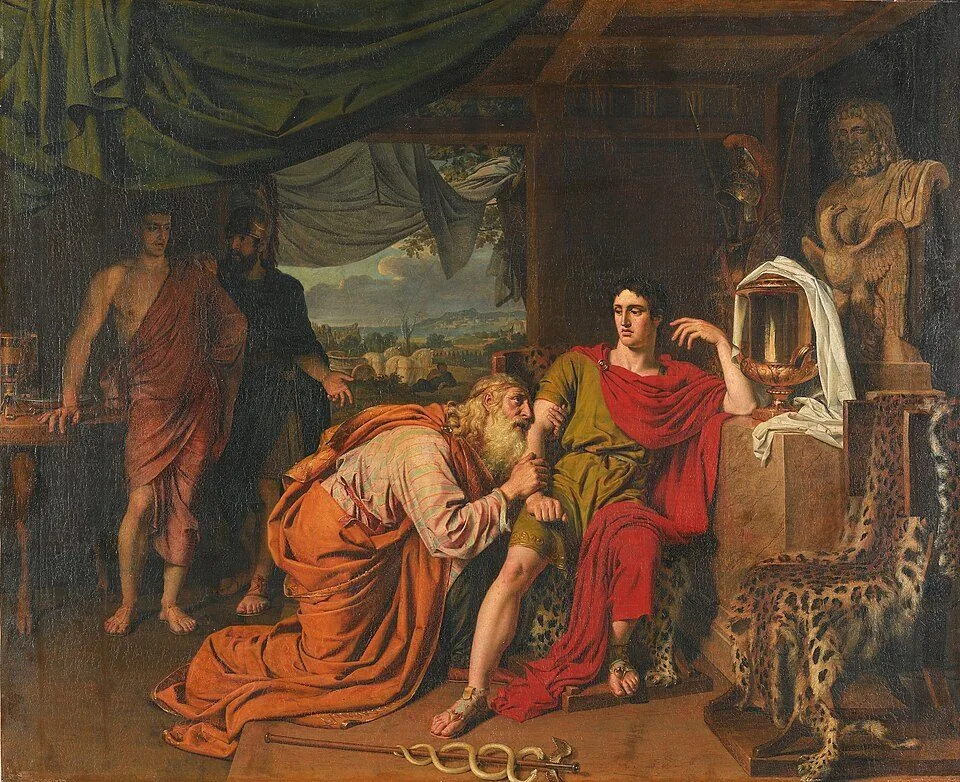
The twenty-fourth volume of "The Iliad" briefly mentions the past incident of Paris offending the goddess, but does not tell the complete scene from the wedding, the apple, to Helen. The continuous stories we are familiar with come from the collation and artistic reproduction of myths in different eras. When reading, separating the hints in the epic from the detailed narrative of later times, one can understand that ancient audiences may have known the background, and the work could still select only a small part that is relevant to the current conflict.
How painters represent the judgment
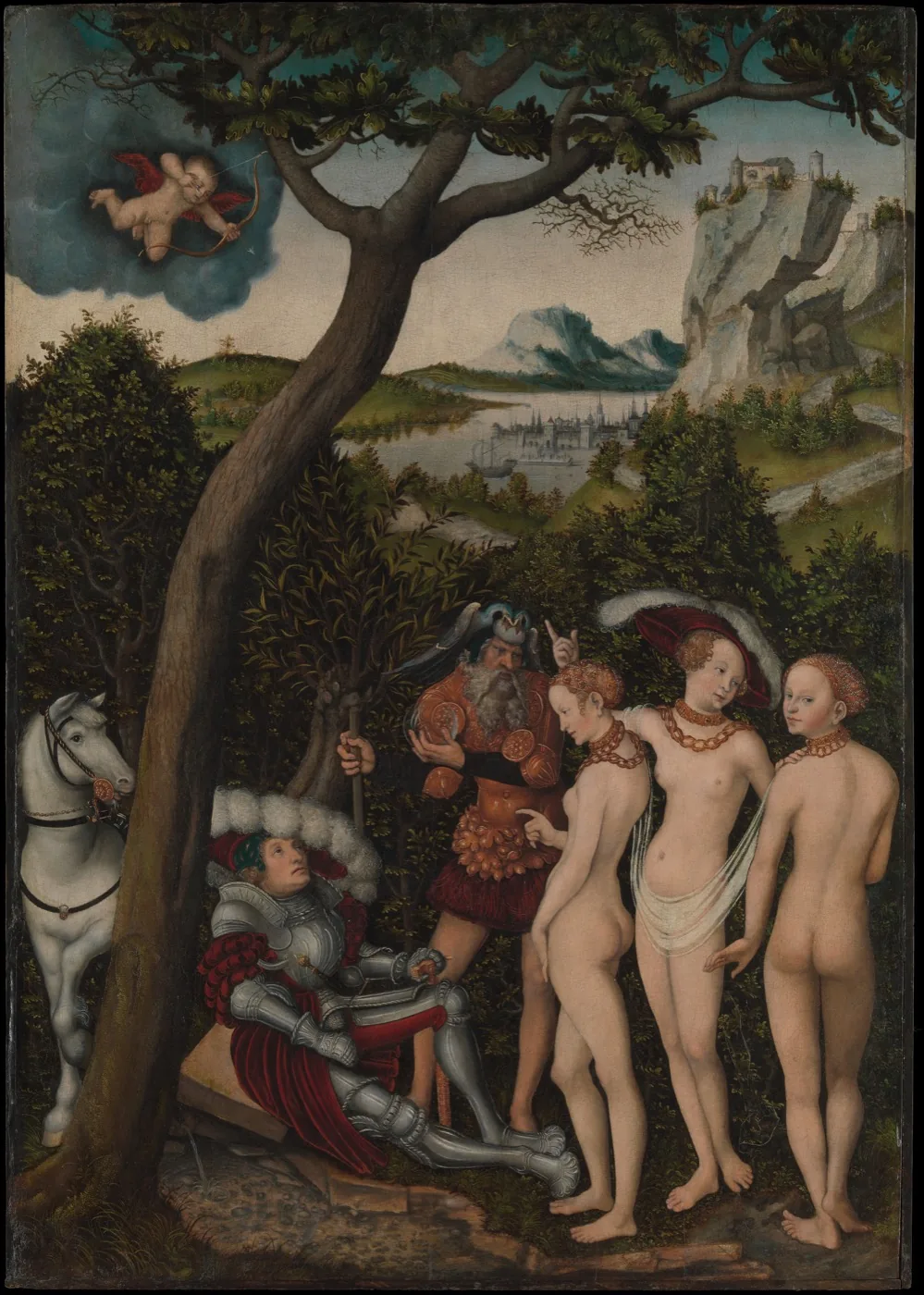
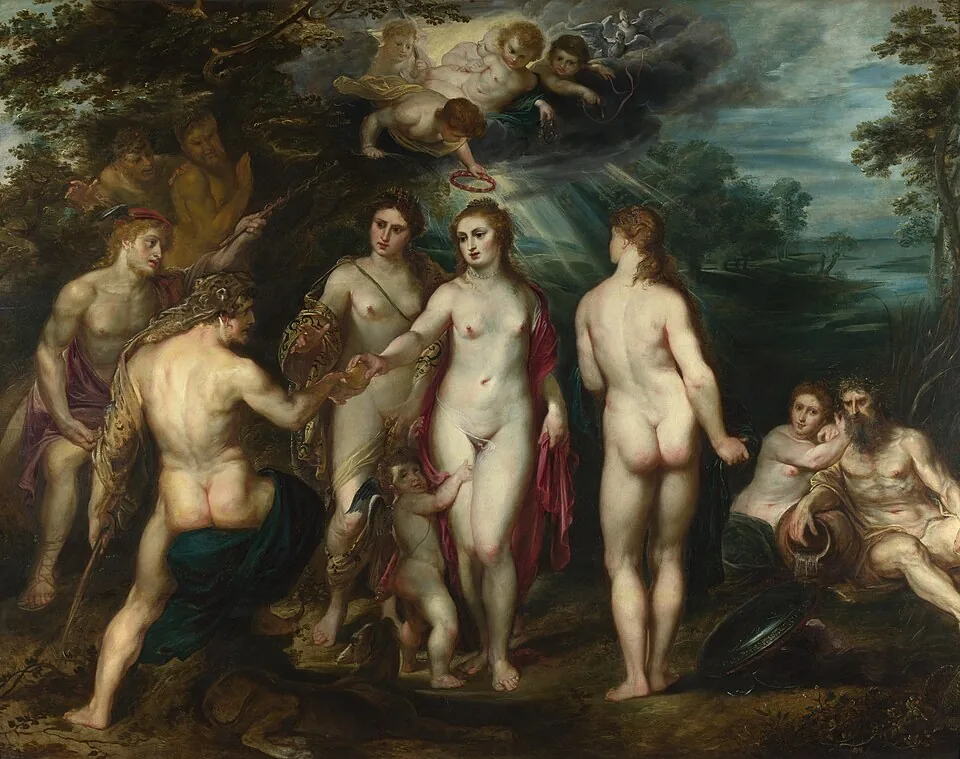
Painters such as Rubens repeatedly depicted the scene of judgment, allowing the goddesses' postures, Paris's gaze and Hermes' guidance to form a visual relationship. These modern oil paintings are the artist's reconstruction of ancient themes, not records of events at that time. When looking at the picture, you can pay attention to the position of the apple and the distance between the characters: the picture solidifies the decision into a moment, and literature makes us ask what price the person who loses the right to choose will pay after this moment.