Start from the end of the epic
The Iliad ends with Hector's funeral, and the final fall of Troy is not included in the narrative scene. Book 8 of the Odyssey has the singer Demodocus sing about the past of the Trojan horse, and connects Epeius's construction of the horse with Athena's help. Odysseus wept when he heard the story about himself. The wooden horse here serves both as a ploy in the war and as a vehicle for survivors to confront their past, showing that a hero's success does not necessarily lead to easy memories.
The apparent retreat and the misleading gift
In a common story, the Greek army pretended to retreat, leaving a huge wooden horse outside the city with soldiers hidden inside. The Trojans need to explain this unexpected object: is it a danger or a gift to the gods? The scam thus relies not only on the space of secrecy but also on the rhetoric about the purpose of the gift. Those who decided to bring it into the city did not lack eyes, but were judging between incomplete information, war fatigue, and religious expectations; this was the environment in which the ruse was exploited.
The Survivor’s Perspective in Roman Poetry
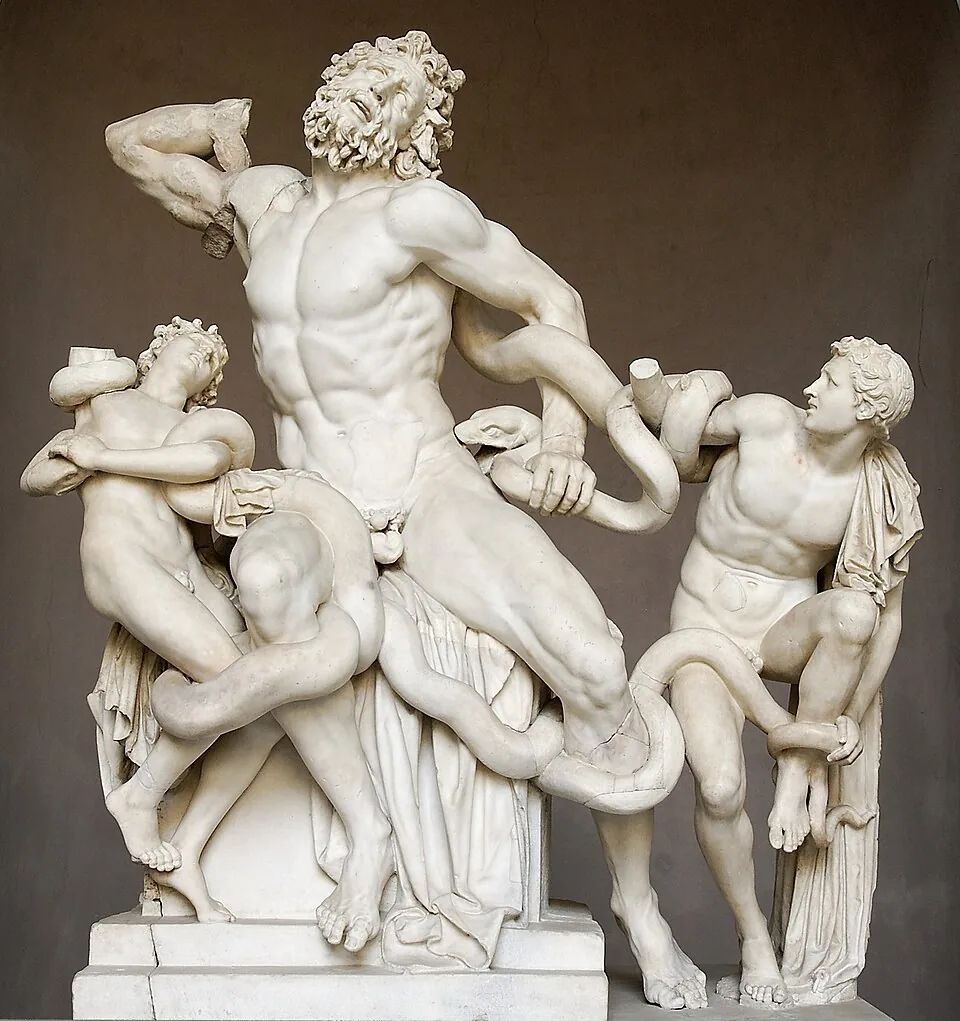
The second volume of Virgil's "Aeneid" is recounted by Aeneas, detailing Sinon's lies, Laocoon's warnings, and late-night attacks. This Roman work puts the reader on the side of the Trojan escapees, and the Trojan horse becomes not only a symbol of Greek wisdom but also a sign of broken trust. Different works have different narrative emphasis on the same strategy, and all details in the Roman poem cannot be labeled as being narrated by Homer himself.
Look for hesitation in the image
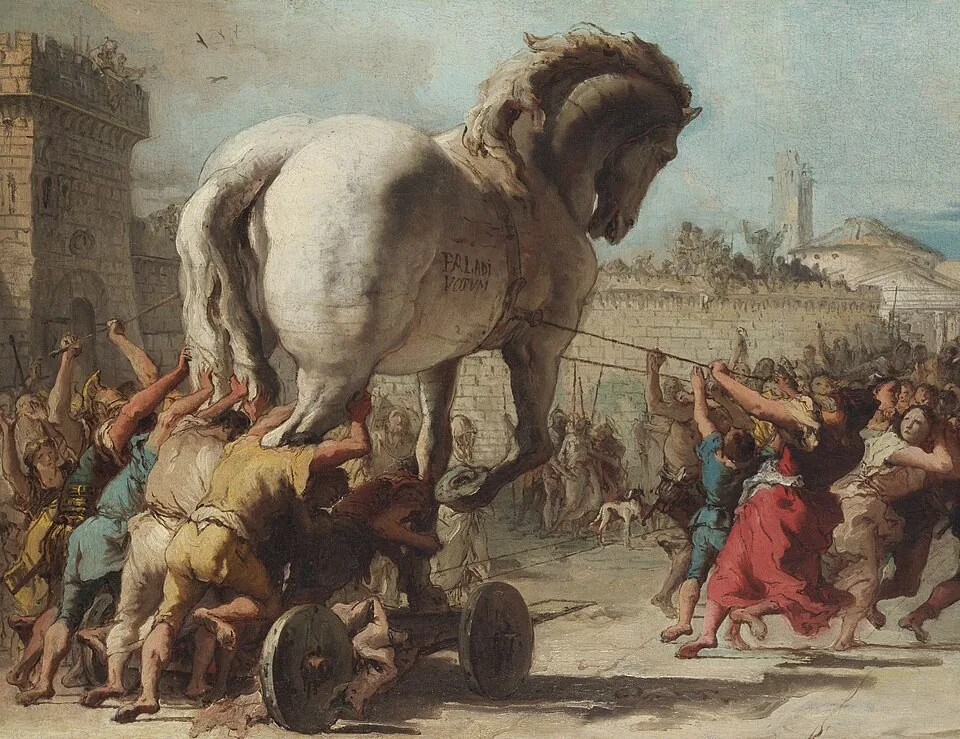
Later paintings often choose the moment when the wooden horse is dragged towards the city gate, so that the people pulling it, the onlookers, and those giving warnings can share the same picture. The audience already knows the ending, but the characters in the painting do not. This gap in knowledge creates a sense of tragedy. When appreciating the pictures, you can pay attention to who is on the edge and who controls the direction of action, rather than just looking for mechanisms to hide soldiers. The enduring power of the Trojan Horse story comes from how a group interprets danger as safety, and how people in hindsight understand what initially seemed like a reasonable choice.