First a doubter
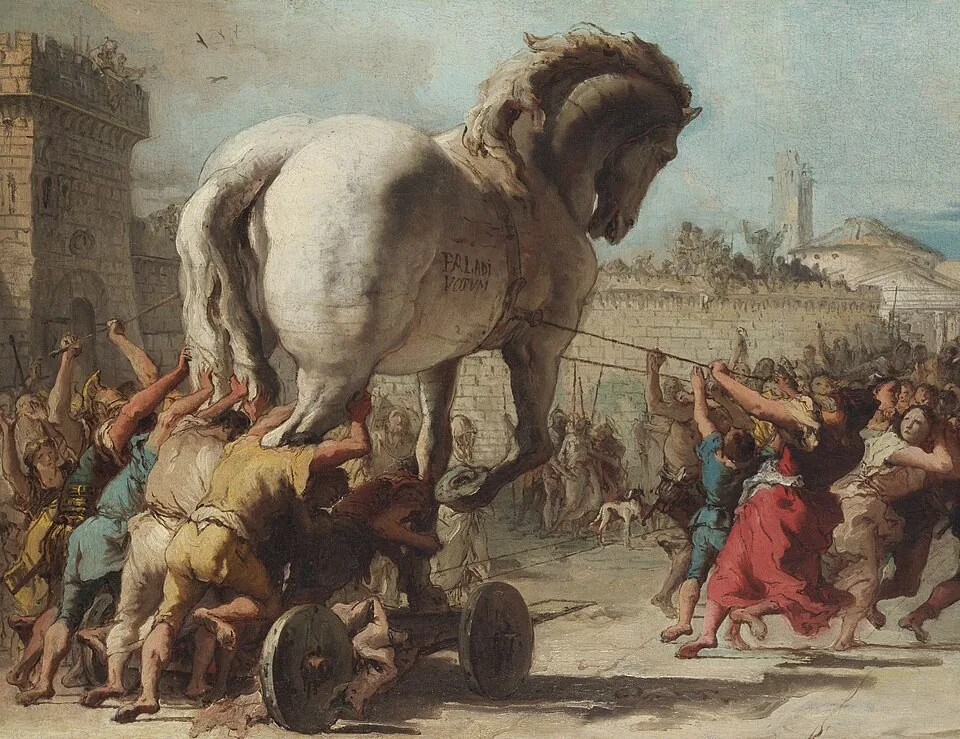
In Book 2 of the Aeneid, Laocoon questions the abandoned wooden horse and tests it with a thrown spear. The citizens faced the temptation of ending the war, but he asked to continue checking the gifts left by the enemy. This move makes him an important dissenting voice in the Trojan story, but the work does not make the warning automatically effective. Before danger enters the city from the outside, a debate about the danger has already occurred; whose interpretation is adopted directly affects subsequent actions.
How the sea-born omen is interpreted
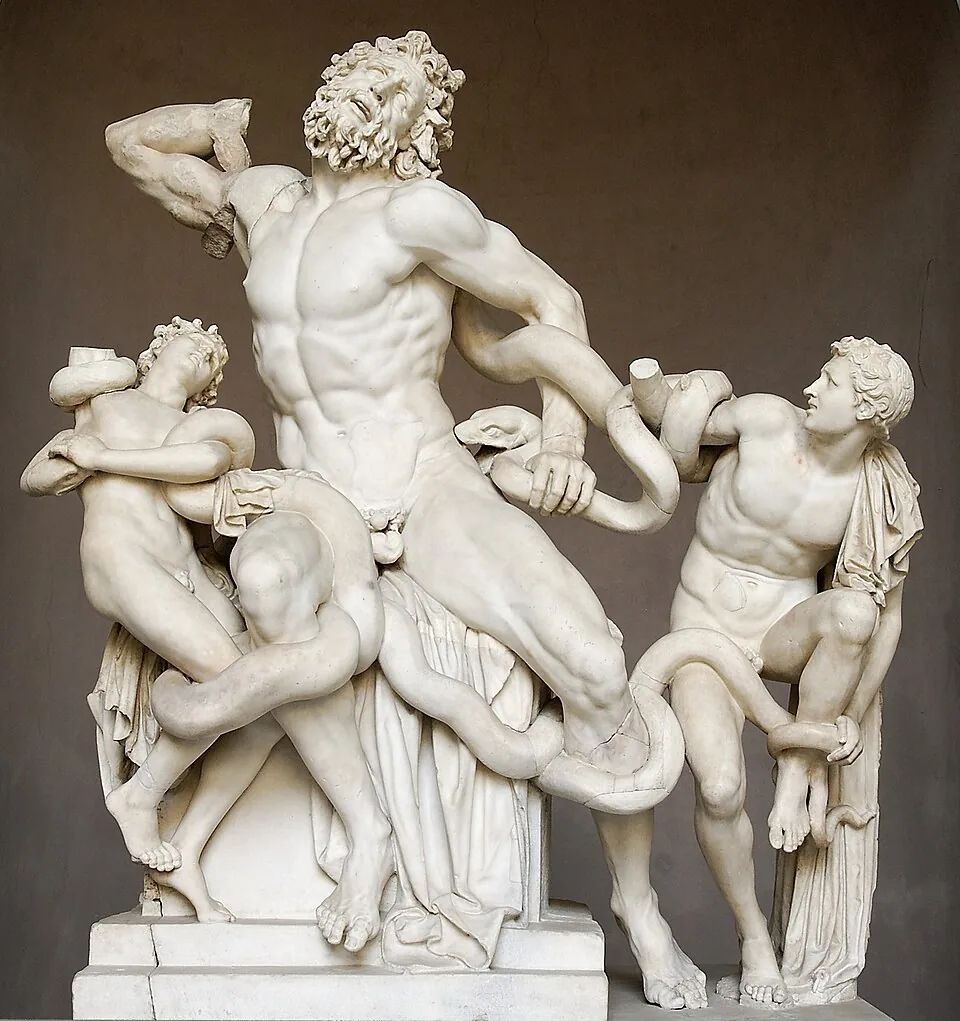
Virgil wrote that two giant snakes swam from the sea and entangled Laocoon's sons, and also attacked their father who tried to save them. The Trojans understood the disaster as punishment for offending the Trojan horse, and therefore believed even more that they should welcome the Trojan horse into the city. For readers who know the secret of the wooden horse, this explanation goes in the opposite direction. The tragedy of the poem comes from the rift between the event itself and people's interpretation of it: the omens of horror, instead of adding to knowledge, push the wrong judgment to become more solid.
Group sculptures emphasize the struggle of the body
The famous Laocoön group of sculptures places the father and two sons in the curve formed by the snake's body. Twisting bodies, taut muscles, and gazes in different directions convey their inability to escape together. It shares themes with literature, but it does not mean describing a certain poem word for word. The sculpture's age and relationship to the Greek artistic tradition have long been discussed. When viewing reproductions or photographs, it should be stated that these are ancient group sculptures and their modern photography, and that the public domain status of the three-dimensional work itself does not automatically serve as a license for the photograph.
Story Version and Judgment
Ancient traditions about Laocoon are not completely consistent about the punishment of the god, his priesthood, and the taboos he violated, and it cannot be generally claimed that all versions killed him for telling the truth. The Aeneid is particularly concerned with how the city's citizens understand the sea serpent, so that the warning is seen as evidence of guilt. What makes this story worthy of repeated reading is that correct suspicion does not necessarily lead to a good ending, and shocking images may not prove the meaning attached to it by onlookers.