Help is a gift with conditions
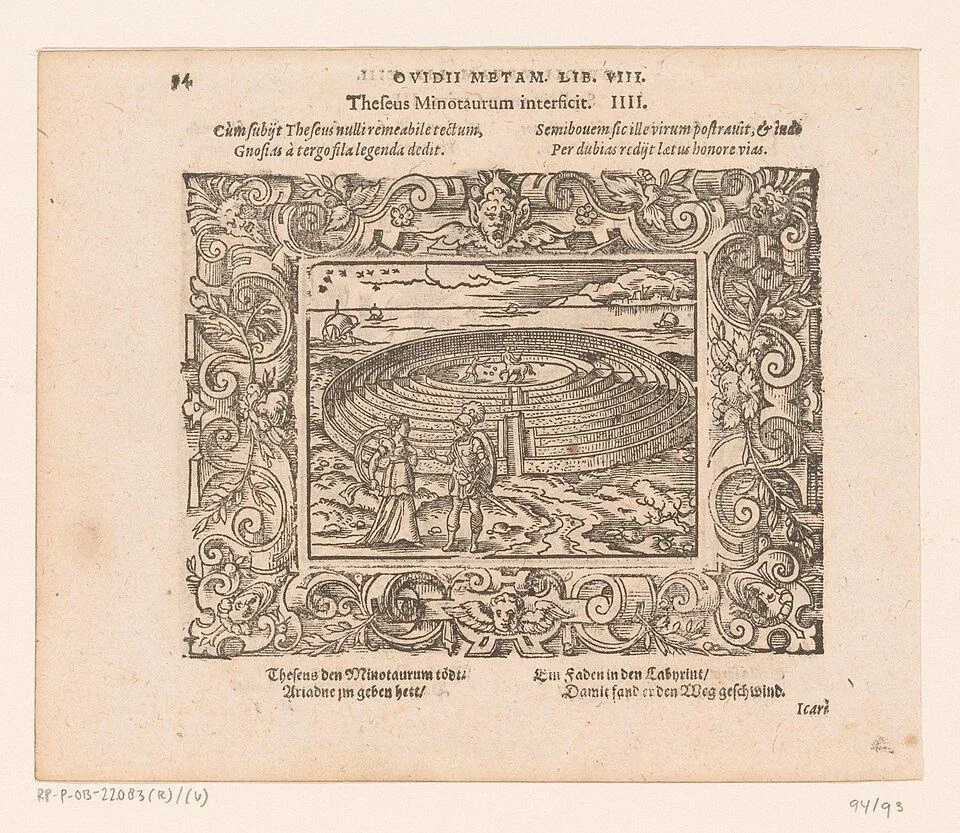
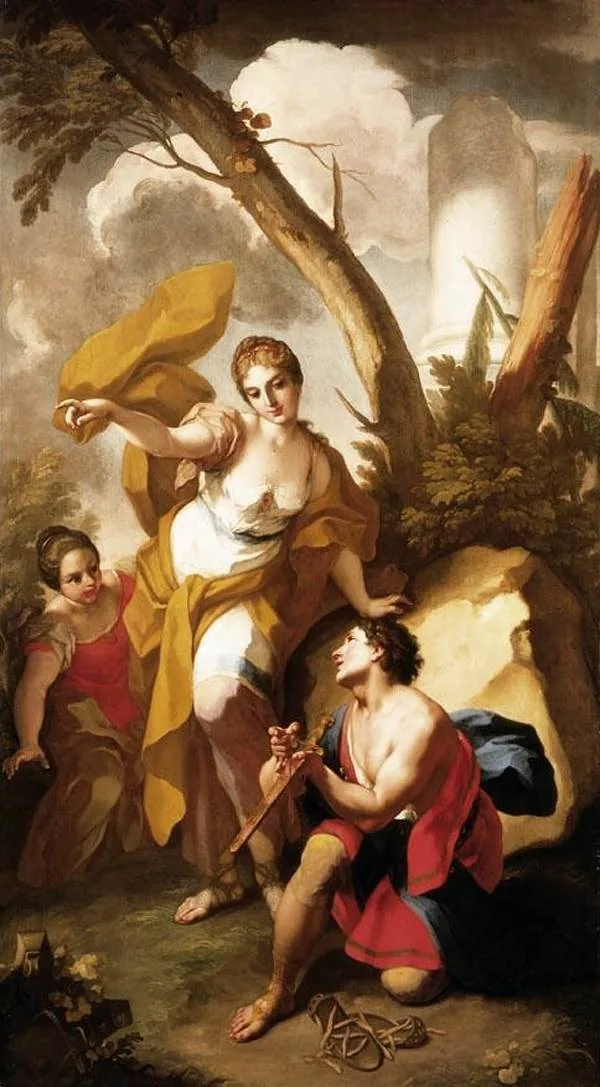
The Bibliotheca’s epitome has Ariadne help Theseus obtain the thread on condition that he takes her away and marries her. They do not merely happen to travel together outside the labyrinth; they establish an explicit promise. She leaves both her father Minos’ sphere of power and the family that can protect her. A ball of thread can easily become just a clever tool in a heroic narrative, but its provider risks losing her home. Remembering the exchange before considering the island separation shows why her story cannot be reduced to a hero receiving help: giving help also changes the helper’s future.
Different authors describe different islands
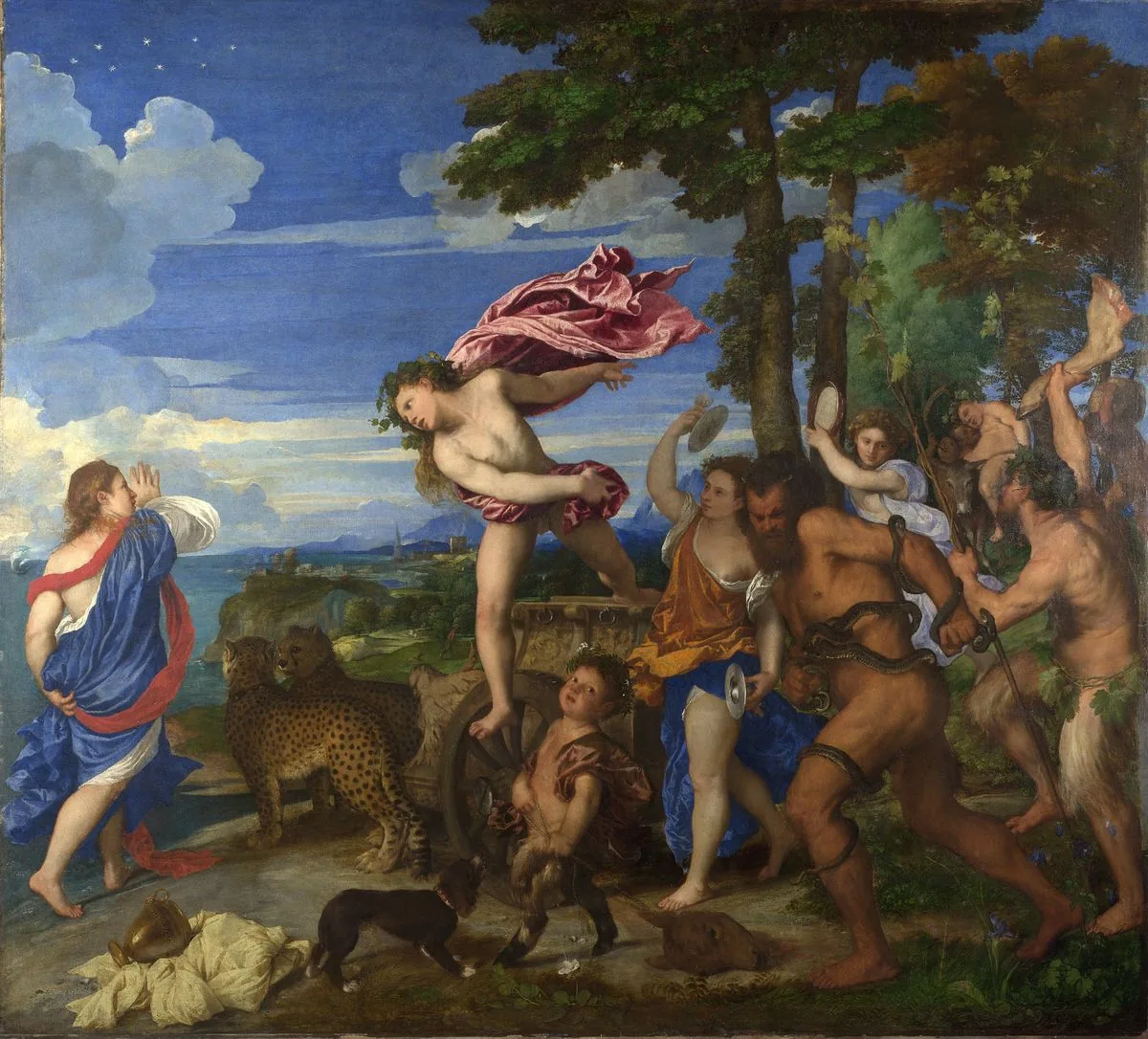
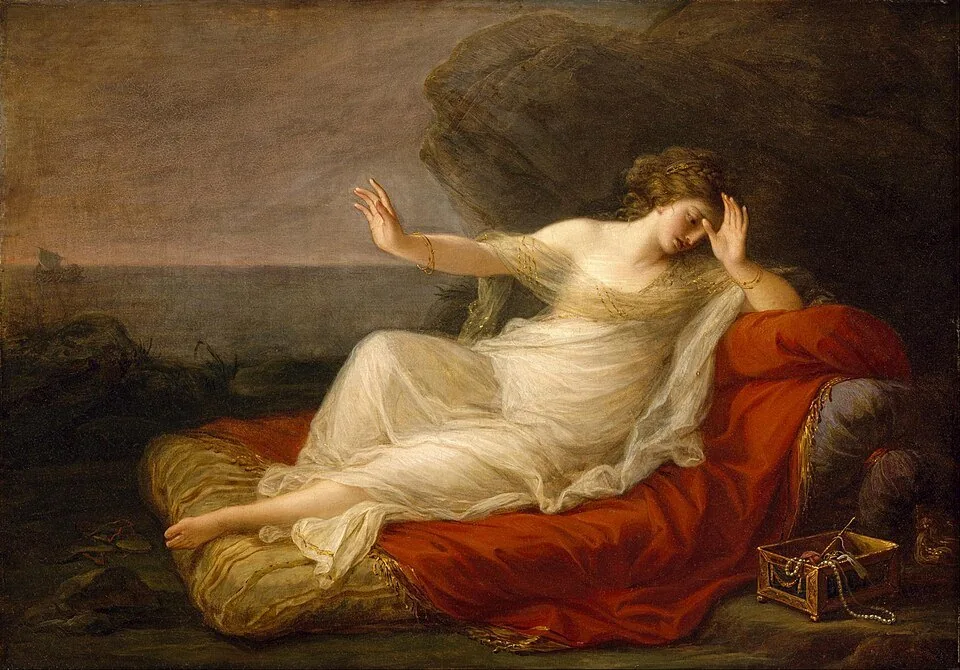
In the Bibliotheca, they reach Dia, where Dionysus falls in love with Ariadne and takes her away. Plutarch openly acknowledges inconsistent reports, including abandonment, another lover, reception by islanders, and death in childbirth. These accounts cannot be lined up into one biography in which she dies on every island and then marries a god. Book XI of Homer’s Odyssey also says Artemis kills Ariadne because of Dionysus’ testimony, an ending difficult to reconcile with a familiar wedding scene. Such disagreements show local rites, families, and poems shaping the figure independently, rather than gaps in one version that require repair.
A sleeping figure and a departing ship
Art often combines a sleeping figure on the shore, distant sails, and the arriving Dionysus, placing abandonment and a new marriage within one moment of waiting. An artist may choose a tradition or combine several into a visual allegory. A caption should identify the work’s subject without announcing a uniquely authoritative history. Ariadne’s thread preserves the labyrinth’s invisible route, yet her own route branches after leaving the island. This asymmetry can remain in our reading: the hero gains a clear way back, while different writers determine the helper’s ending. She is essential to solving the labyrinth, but also has losses, ritual worship, and a sacred identity of her own. She should not simply be passed over before Theseus’ next adventure.