What does father’s absence leave behind?
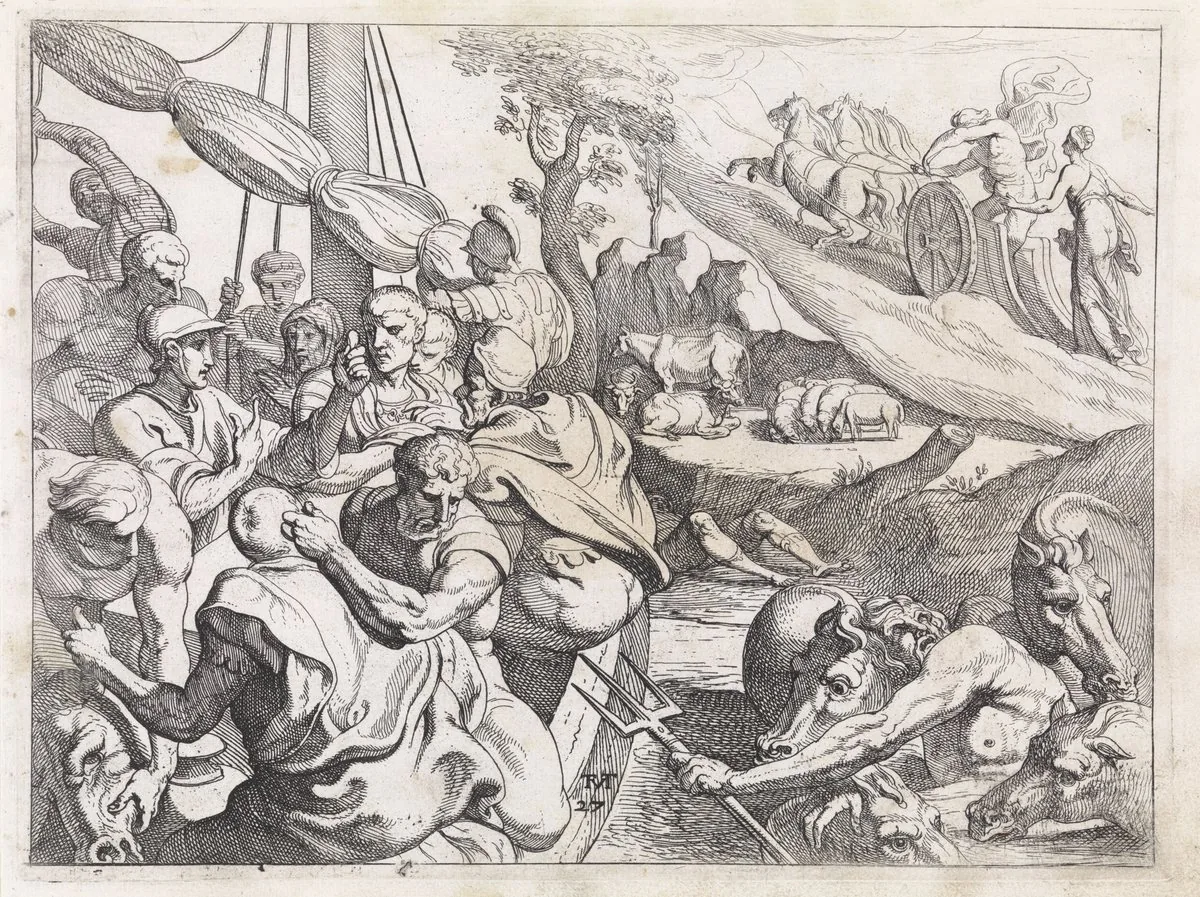
The Odyssey opens with Telemachus facing suitors in Ithaca who are constantly consuming his family fortune. He knew his father's reputation, but he lacked the experience of living with his father, and he did not yet have the power to change the order in the family. Athena encouraged him to call a meeting and set out to find the news, and the growth began with a speech. The son of a hero cannot automatically gain respect just by inheriting a name. He needs to gradually learn how to make demands in front of others and how to judge the actions he can take.
Memory and Hospitality of Pylos
In Pylos, Nestor welcomed the visiting young man and recalled the Trojan War and the heroes' journeys home after the war. This visit did not directly return his father, but it allowed Telemachus to enter the memory network of the previous generation of heroes. He saw how families, sacrifices, and hospitality rituals worked, and he received help to continue on to Sparta. Epic places learning in conversation and participation in rituals, rather than just asking young people to receive a lecture; the arrival of a strange guest can become an opportunity to understand the way of life of others.
New information from Sparta
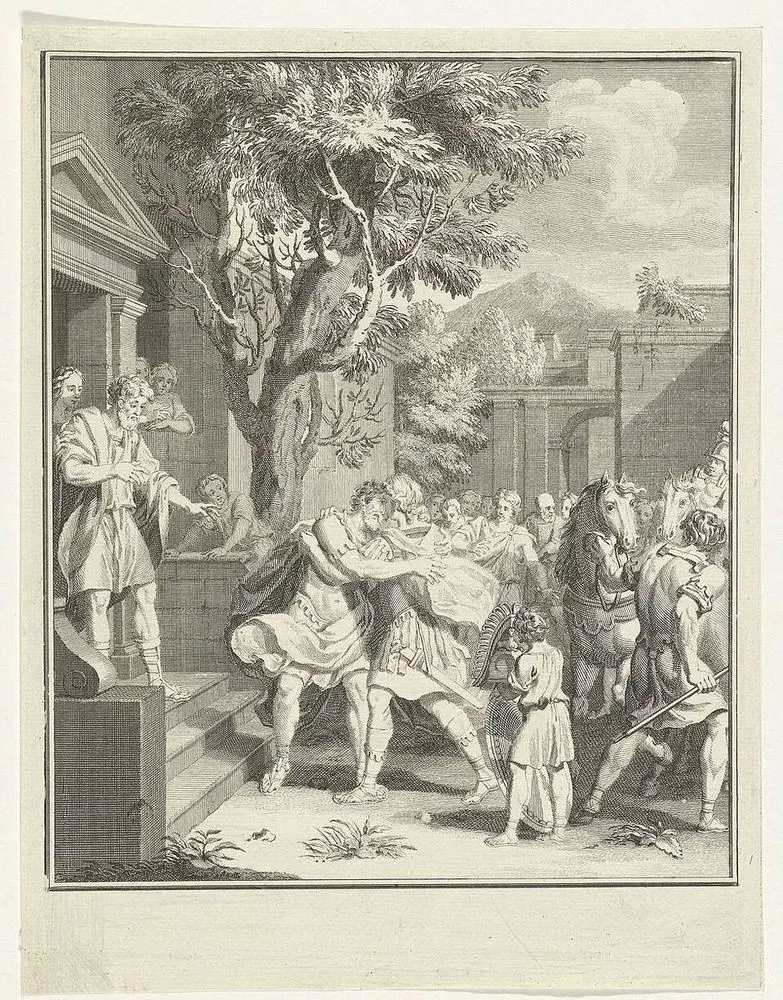
Menelaus and Helen also received him and talked about Odysseus' wit and situation in the war, and the image of his father gradually changed from an absentee to a person with concrete experience. Hearing the news does not mean that the problem of returning home has been solved. Telemachus still faces the risk of returning to his hometown. It is worth noting that this journey did not allow him to directly find his father in a foreign place. It provides information, relationships and judgment experiences so that he can participate in actions at home in the future, rather than completing all his growth for him.
A son’s journey and a father’s journey
Odysseus strives to return home on the far sea, while Telemachus sets out from home to learn about the outside world. The two roads in opposite directions together constitute the family theme of "The Odyssey": home must be reached again, and those left behind must gradually assume responsibility for it. Later works sometimes adopt the image of Telemachus and his mentor, which may also be mixed with adaptations from modern literature. The illustrations should distinguish between ancient epics and later educational narratives, and avoid treating all scenes of mentor teaching as plots directly described by Homer.