An ordinary landing
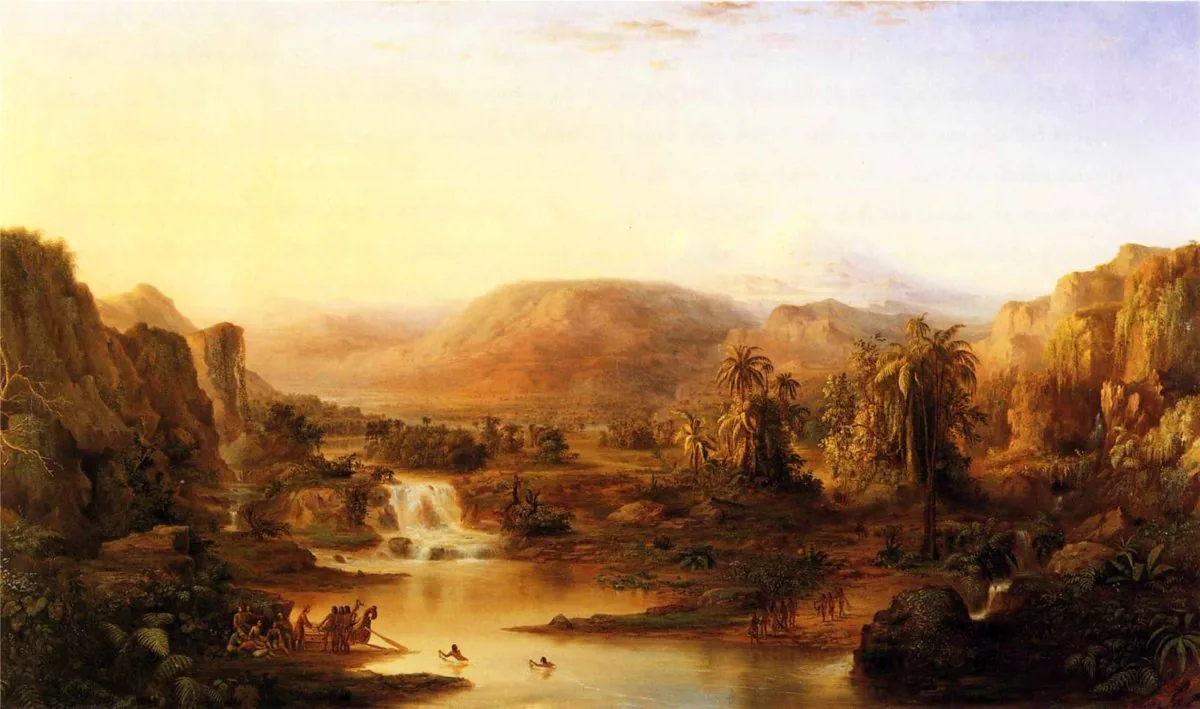
In Book 9 of the Odyssey, Odysseus recalls being driven away from his intended course by winds and currents. After nine days at sea, his company reaches the country of the Lotus Eaters. The arrival initially looks practical rather than fantastic: the crews obtain water and eat beside their ships. Odysseus sends two men and a third attendant to discover what sort of people live nearby. This small mission matters because the danger is encountered through contact and hospitality, not through a battle. Nothing in the opening scene tells the visitors that a pleasant meal might undo the purpose of their voyage.
A gift without an attack
Homer explicitly says that the Lotus Eaters do not harm the scouts. They offer them lotus to eat, and those who taste it no longer wish to bring back news or travel home. The change is not simply that they forget a name or an address. Their future has acquired a different shape: remaining with their hosts seems sufficient. The poem gives no secure modern botanical identification for the food in this passage. Calling it a particular drug or claiming that the hosts deliberately poison strangers would add explanations the narrative does not supply. Its clear effect is the disappearance of the desire for return.
The rescue that requires force
Odysseus brings the reluctant men back weeping and binds them beneath the rowing benches. He then orders everyone else aboard before anyone can taste the food. From the captain's perspective, he has preserved the expedition and its destination. From the affected men's immediate perspective, departure is something imposed on them. Both details belong to the scene. Reading it as a straightforward celebration of self-discipline misses the uncomfortable physical coercion involved. Yet treating the new wish to stay as an entirely ordinary choice also overlooks the transformation caused by the meal. Homer leaves readers with a rescue whose necessity and harshness can be considered together.
Helen's different remedy
Book 4 offers a useful comparison, although not an identification of the same substance. At Sparta, Helen mixes into the wine a remedy received from Polydamna in Egypt, one that suppresses tears and grief. She then recounts an exploit of Odysseus at Troy. The past can still be narrated around that table; its painful emotional force has changed. Among the Lotus Eaters, by contrast, the scouts cease to care about reporting their experience or returning. These episodes show that relief from distress and the abandonment of a destination are different narrative possibilities. Neither scene licenses a confident modern chemical diagnosis of an ancient poetic substance.
Keeping a future in view
The Lotus Eaters occupy only a short stretch of the poem, but the interruption exposes something essential about homecoming. A sound ship and a navigable sea are not enough if the travellers no longer want the life awaiting them. No giant blocks the shore, and no divine decree is announced. The obstacle enters through an apparently welcome experience. This is a reading of the episode's structure, rather than a claim that all pleasure is dangerous. Rest, food, and friendly reception sustain the travellers elsewhere. Here their attraction becomes troubling because it removes the reason to resume the journey at all.