The person closest to the food is still unable to eat
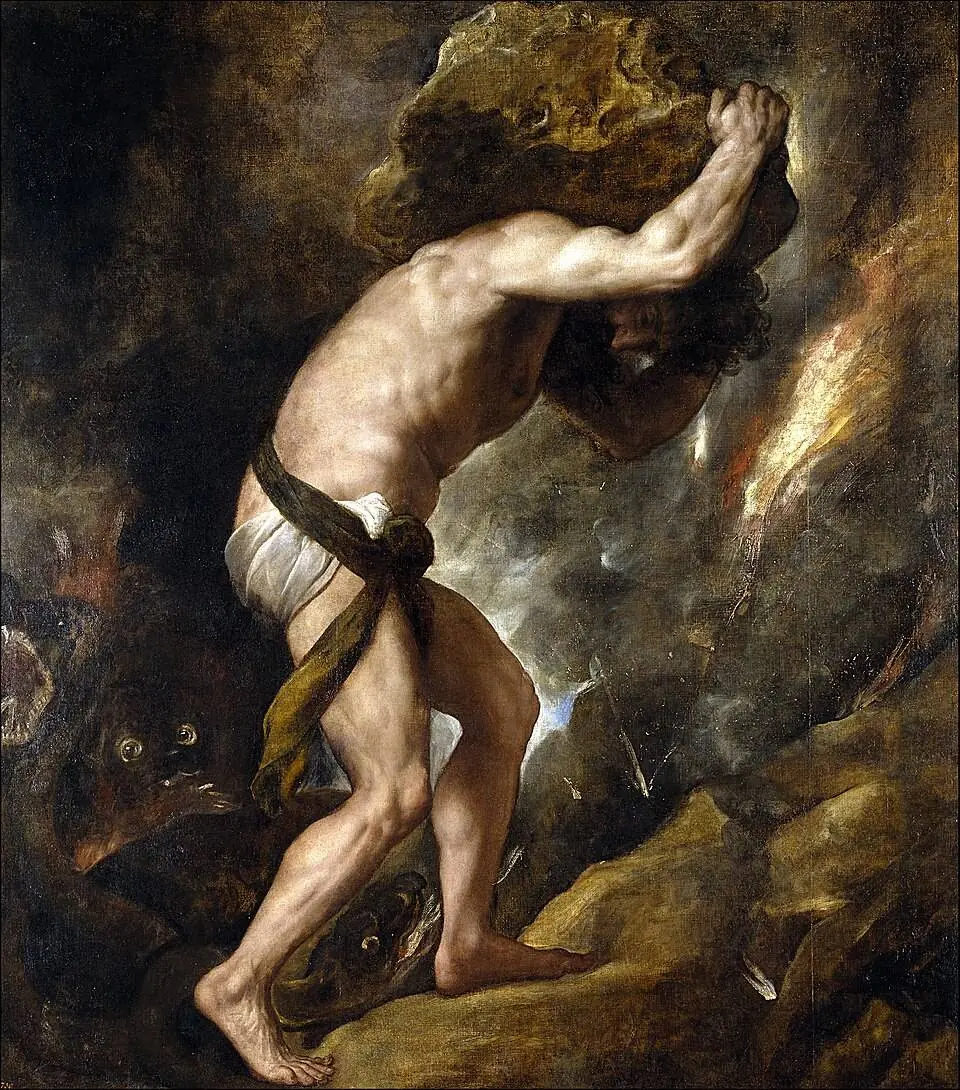
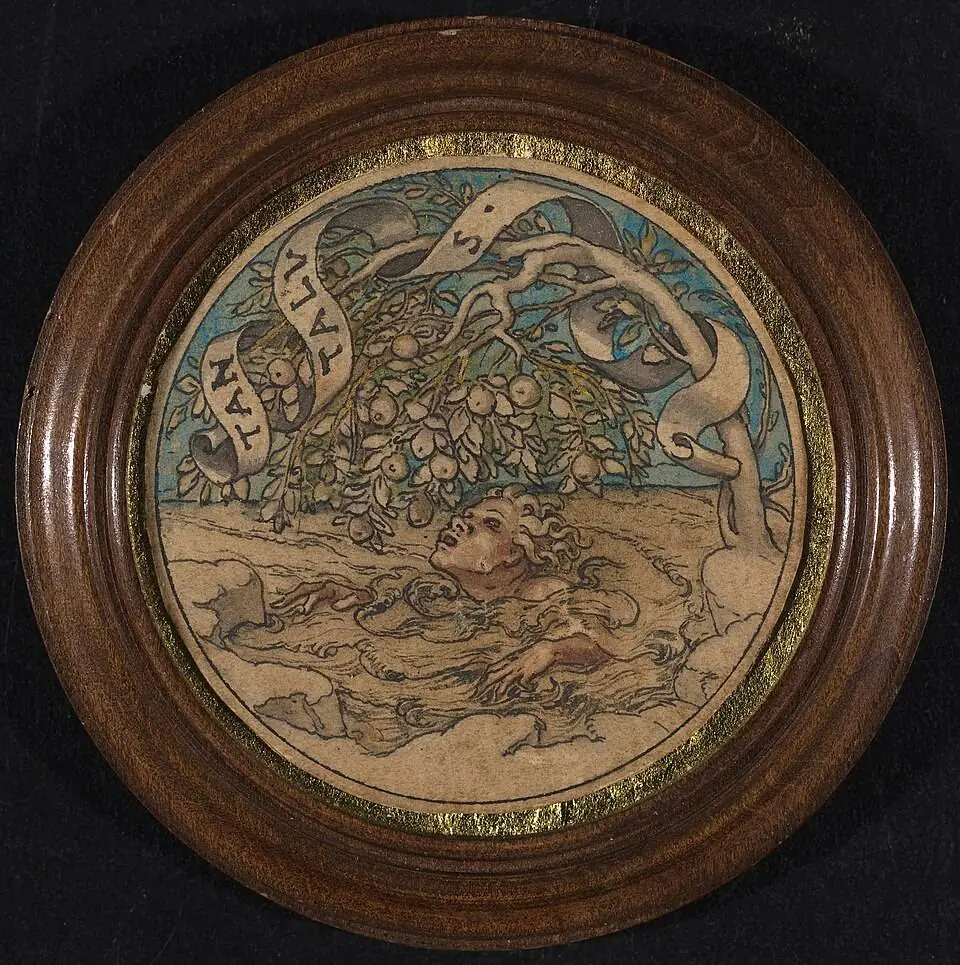
Book 11 of Homer's "Odyssey" has Tantalus standing in a pool, with the water close to his chin; he leaned over to drink, but the water receded, and the rich fruit branches above his head were blown high by the wind as he stretched out his hand. Punishment consists of the most familiar daily necessities, and the danger does not come from visible weapons, but from food that is always visible and always inaccessible. The poem here does not fully describe a feast for cooking the son, only the hungry and thirsty body. Similar to Sisyphus who keeps approaching the top of the mountain, Tantalus keeps getting closer to contentment, only to be stopped by rules at the final distance each time, so that abundance becomes the shape of torture.
Two versions of Pelops
The widely circulated story of the feast says that Tantalus brought the body of his son Pelops to the gods to test, and that the child was later resurrected with his missing shoulder replaced by ivory. The epitome of the Bibliotheca preserves clues to Pelops' restoration to life and the ivory shoulder, and Frazer's annotations illustrate the banquet tradition. The first poem of Pindar's "Olympian Ode" refuses to say that the gods ate human flesh and instead talks about Poseidon taking away the boy out of love; he links Tantalus's sin with sharing sacred food with mortals. The two cannot form a banquet in which all details are agreed upon. Pindar's rejection also shows that ancient poets actively judged existing stories, rather than just preserving for us a fixed set of beliefs.
After the sacred hospitality relationship was destroyed
The epitome of the Bibliotheca also links Tantalus' punishment to the revelation of the god's secret, and adds the fear of the hanging rock above. The explanation of the crime varies from work to work, but the damaged relationship often involves a god allowing mortals access and the mortals subsequently abusing that access. Later paintings may choose a banquet, or they may show ponds and fruit trees. The image credits should describe the specific scenes, rather than treating the two different plots as the before and after details of the same painting. The story of Tantalus isn't just about personal gluttony, either; it's about the knowledge, food, and commitments that cannot be transferred when invited into a special realm. Recognizing the author's disagreement about the cause of the crime can avoid taking every horrific rumor as a fact unanimously accepted by all ancient Greeks.