Two different dangers
Book 12 of "The Odyssey" places Scylla and Charybdis on adjacent shipping routes. Scylla, hidden in a cliffside cave, had multiple heads and would snatch people from ships; Charybdis swallowed and expelled seawater so that ships could be swept into whirlpools. They pose threats in different ways and cannot simply be treated as two monsters that can be defeated in the same way. The navigator needs to choose a route, and the strait hardly gives him enough space, so wisdom is also limited by terrain and time.
Unable to save everyone
Circe reminds Odysseus that approaching Scylla will result in the loss of some of his companions, and being swallowed by the whirlpool may destroy the entire ship. Such a warning is not a map to ensure safety, but a cruel comparison of the extent of damage. The hero still tries to prepare weapons, but force cannot solve all problems. The story allows us to see an extremely difficult responsibility to bear when leading a group: even if you choose a smaller risk, you cannot treat the lives actually lost as mere numbers that can be easily accepted.
Later faced the whirlpool alone
After the voyage continues and the ship is destroyed for violating Helios' prohibition, Odysseus approaches Charybdis again. He temporarily survived by clinging on, waiting, and using floating wreckage. The situation was no longer the same as before when he led the whole ship through the strait. By separating the two experiences when reading the story, you can understand the loneliness and lack of resources the second time around. The hero's return journey is not a straight line of continuously accumulating advantages. Every time he survives, he may only be sent to a new stage of more helplessness.
Don’t mix different Scylla stories
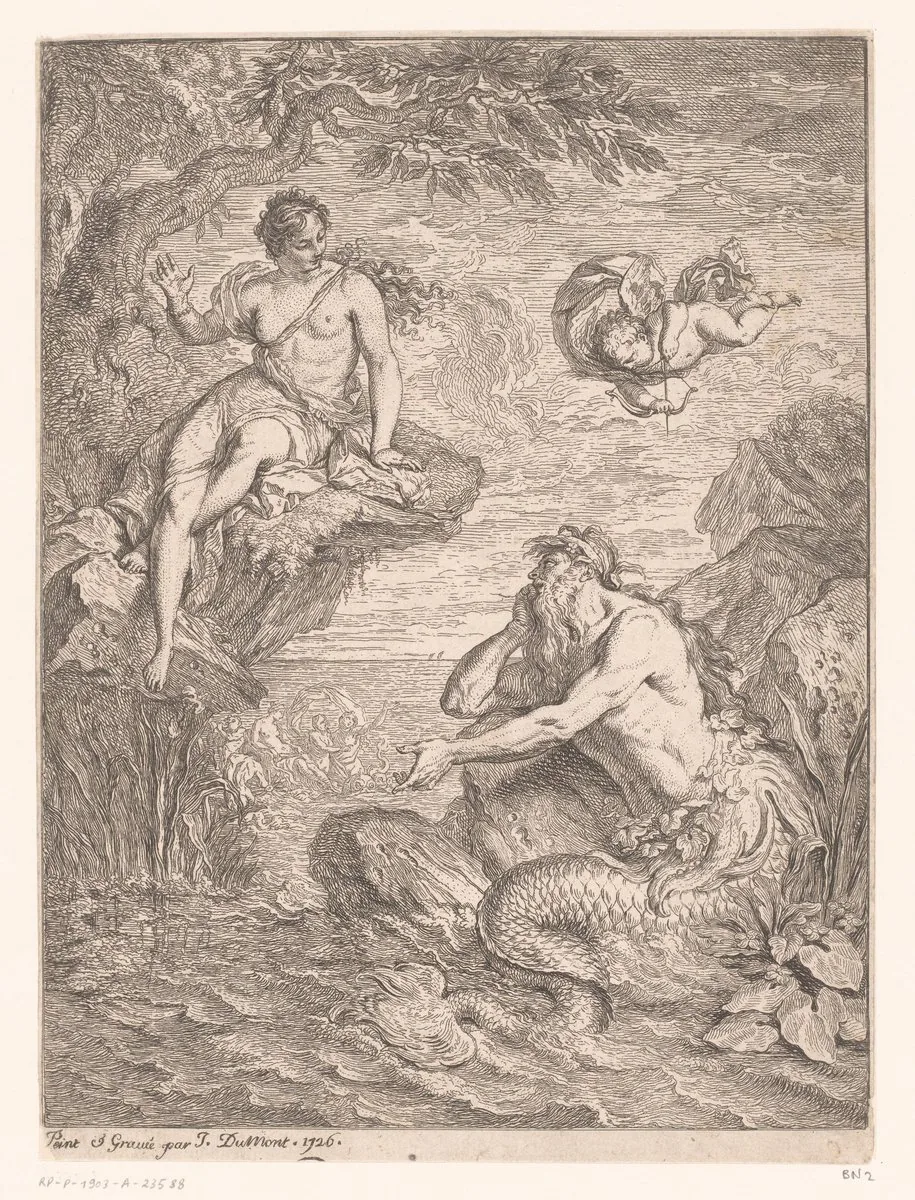
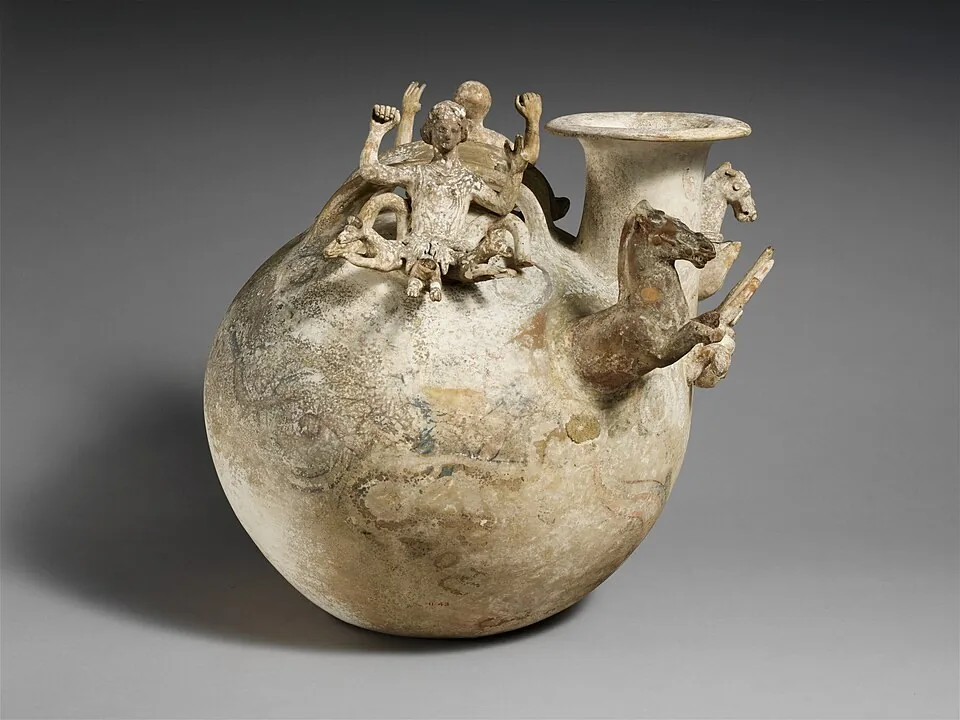
Later Roman literature also told the story of Scylla being originally a girl who was transformed by jealousy and magical potions, but this is not the origin directly given by Homer's voyage fragments. There is also a daughter of Nisus with the same name, and she cannot be combined with the sea monster just because of the same name. Ancient images sometimes show sea monsters with a female upper body, dog heads, and a fish tail, which is how the visual tradition organizes the body of terror. Indicating the version and image object allows the dangerous situation in the strait and the character transformation story to maintain a clear narrative logic.