A useful false name
In Book Nine of the Odyssey, Odysseus and his companions are trapped in Polyphemus’s cave. A huge stone blocks the exit, and strength alone cannot solve the danger. Odysseus gets the Cyclops drunk and calls himself “Nobody.” When the injured giant cries for help, his neighbors think nobody is attacking him.
A mistake after the escape
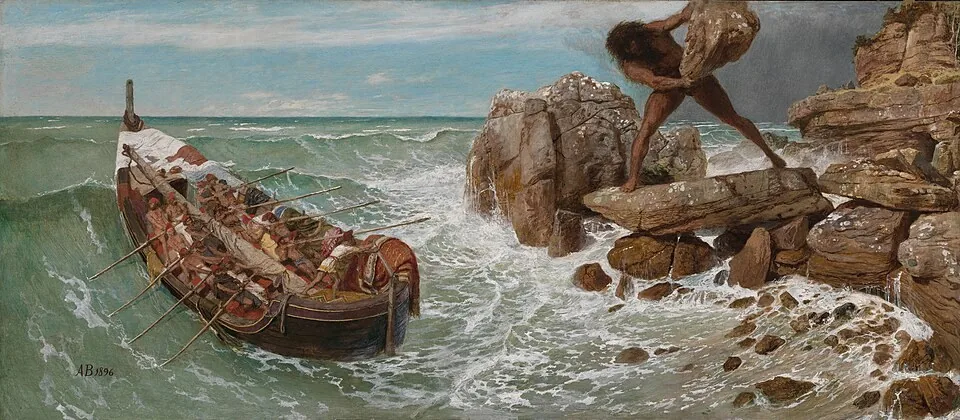
The men hide under the sheep and escape as the flock leaves the cave. Yet as the ship moves away, Odysseus cannot resist proclaiming his real name. The Cyclops asks his father Poseidon for revenge. Ingenuity has saved the companions, but the desire for fame makes the journey home harder.
Wisdom includes knowing one’s limits
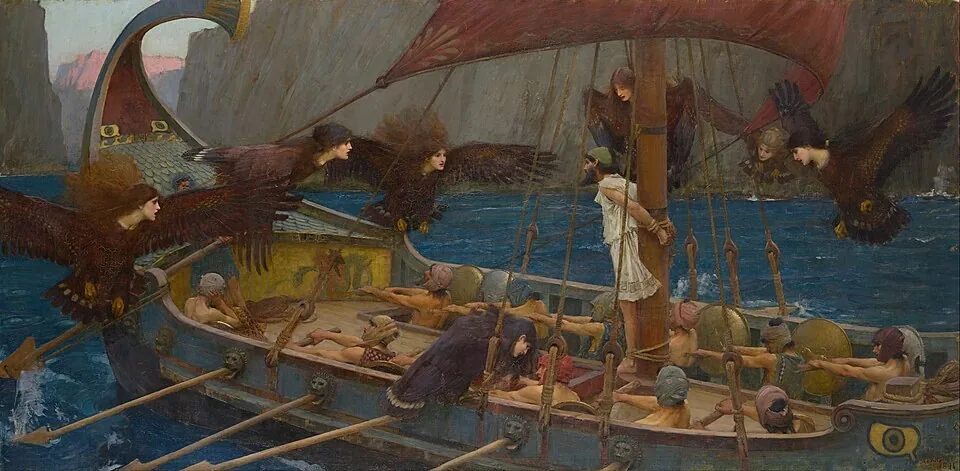
The Sirens’ song and the dangers of Scylla and Charybdis continue to test judgment. Odysseus has his companions stop their ears and bind him to the mast, using restraint to resist temptation. Intelligence here means more than outwitting an opponent: it also means acknowledging that willpower may fail.
The losses of the voyage cannot all be blamed on divine hostility. The sailors’ choices, the hero’s mistakes and external dangers are entangled. Treating Odysseus as an unfailingly correct sage misses the epic’s attention to consequences. A long voyage is not a list of adventures in which every encounter can be won.
Being home requires being recognized
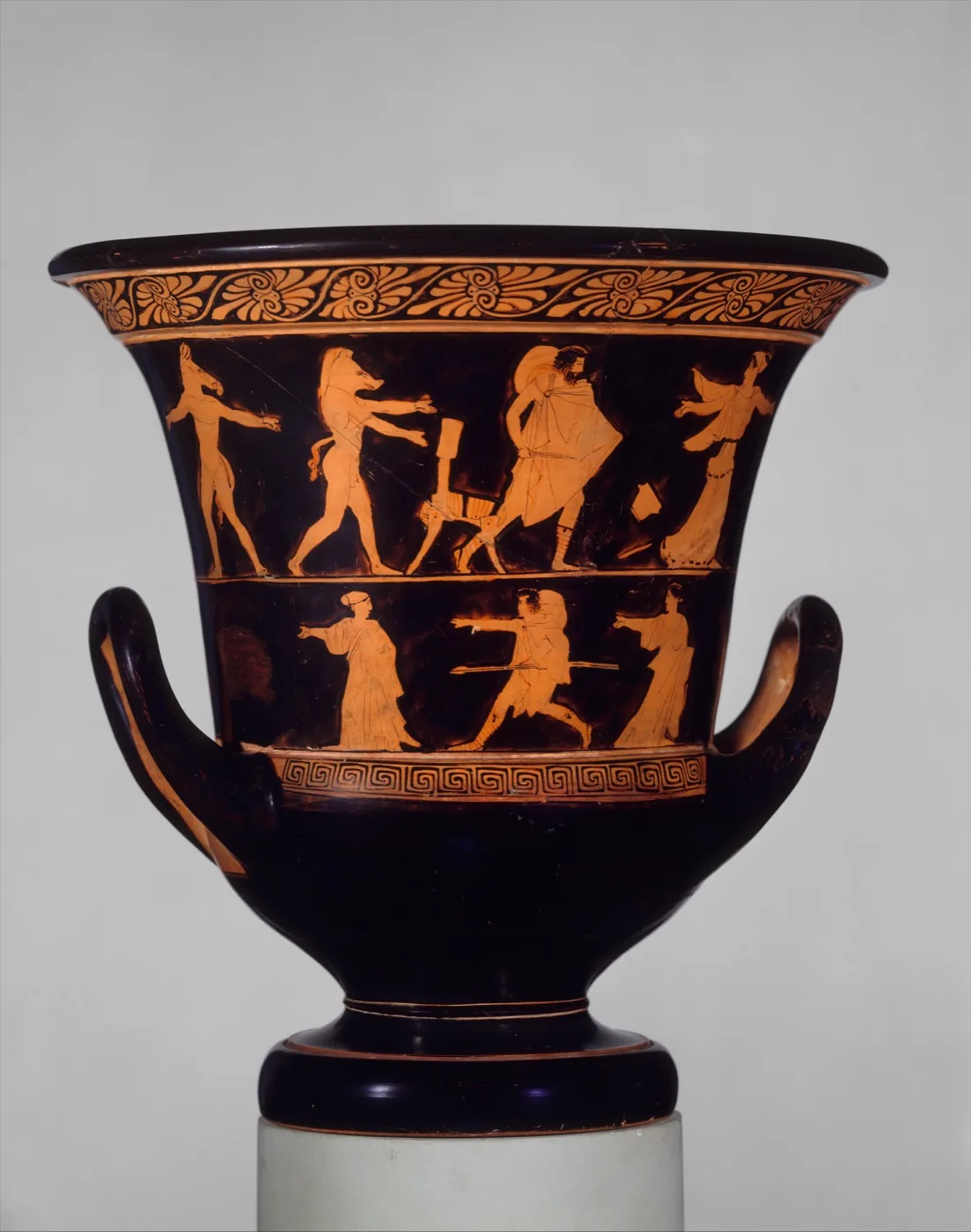
Reaching Ithaca does not immediately restore Odysseus’s identity. In Book Twenty-Three, Penelope identifies her husband through the secret of their marriage bed. A memory from shared life is more convincing than a stranger’s claim. Homecoming ends not simply at a place on a map, but in rebuilding trust and a life together after a long separation.