A remembered life enters a present dispute
In Iliad Nine, Phoenix speaks to Achilles during the embassy that seeks his return to battle. He recalls caring for him as a child, then brings an older story into the present disagreement. The tale concerns Meleager and the fighting around Calydon after the boar hunt. This is not a neutral interruption inserted only to preserve a famous myth. Phoenix chooses a narrative that might alter what his listener does next. Personal memory and inherited song work together in his appeal. Recognizing the purpose of the telling helps us ask how the example has been shaped, instead of treating every detail as a detached summary of Meleager's entire life.
Anger holds a defender inside his house
Meleager withdraws after his mother's curse, while the Curetes threaten his city. Elders offer rich land, and relatives and friends ask him to return. He remains with his wife Cleopatra. The episode puts an interior room beside an increasingly dangerous public space. The hero's absence is not an empty interval: other people use it to organize appeals, offer rewards and face losses. Phoenix's listener can recognize a resemblance to his own withdrawal, but resemblance is not identity. Achilles has his particular grievance against Agamemnon, and a story about another household cannot automatically decide how that grievance should be repaired or what he owes the army.
Cleopatra describes what defeat would do
When danger reaches the house, Cleopatra tells Meleager about the suffering of a captured city: people killed, homes burned and women and children carried away. Her appeal makes consequences concrete rather than adding one more object to the offered reward. Meleager responds and goes out to save the city. The account gives a wife's speech decisive work within a tale that also lists unsuccessful public negotiations. We should keep that difference visible. A listener may be moved by a description of threatened lives when earlier promises have failed, without making those promises unreal or proving that only one kind of persuasion can ever matter.
The storyteller emphasizes a missed moment
Phoenix says that Meleager saved the people but did not receive the gifts offered earlier. He urges Achilles to accept the present settlement before the ships burn and necessity forces a later response. The lesson concerns timing and honour as much as immediate military success. Achilles, however, does not simply adopt the comparison. He answers Phoenix through their own relationship and asks him to stay. A carefully chosen precedent can clarify an argument without compelling agreement. The scene therefore lets us observe persuasion in action, including its limits: a story reaches a particular listener, who can recognize its pressure and still dispute the future it recommends.
Different traditions do not supply a single ending
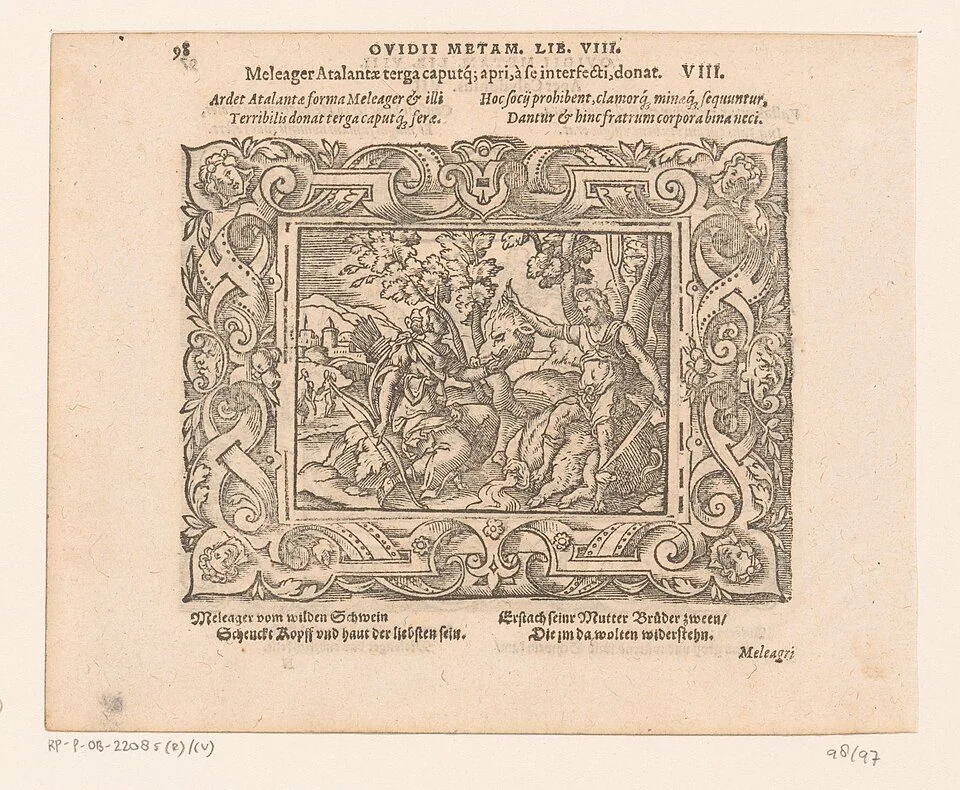
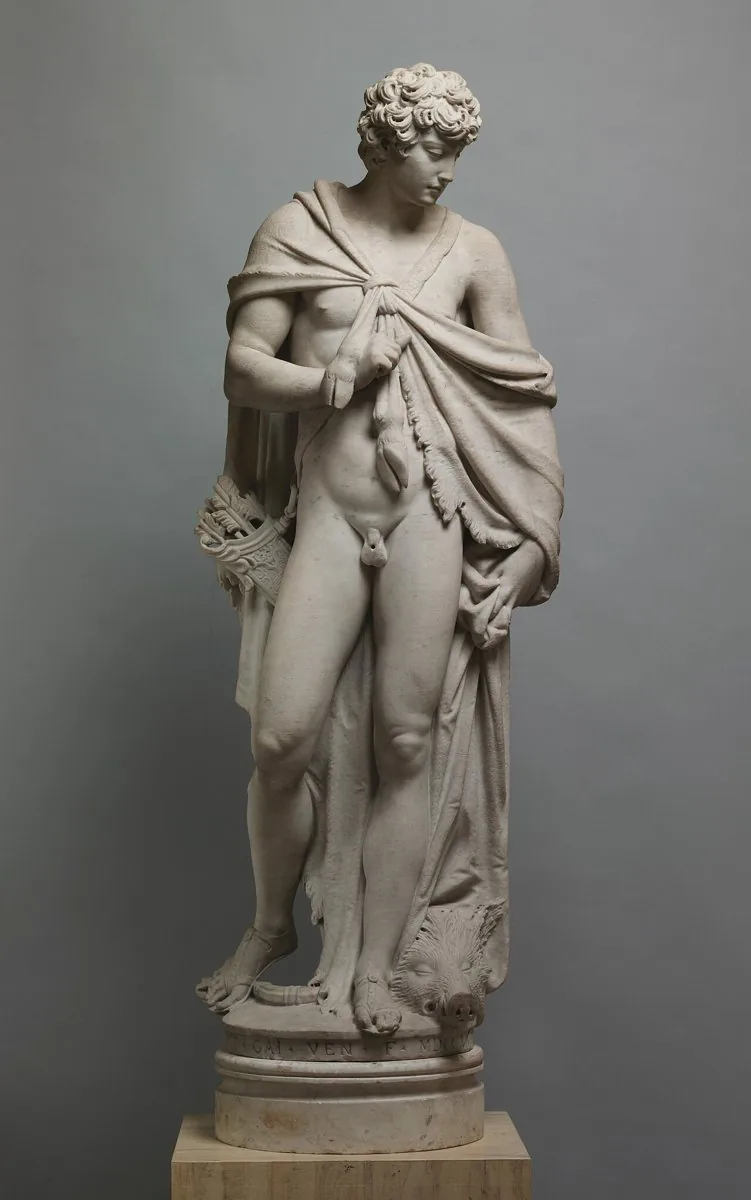
The Library attributed to Apollodorus preserves both the burning-brand account of Meleager's death and another account involving withdrawal, his wife's appeal and death in battle. These alternatives should not be added to Phoenix's telling as though every version described one uninterrupted sequence. His speech ends its useful example with rescue and lost rewards. The illustrated Meleager belongs to the hero's later visual reception, rather than depicting Phoenix's conversation with Achilles. Reading the sources separately keeps attention on selection: which part of a remembered life does a speaker need now, what does he leave outside the frame, and how much authority should that example have over another person's choice?