For whom is the cloth woven?
In Book 2 of the Odyssey, the suitors complain that Penelope delays choosing a new husband because she is weaving a shroud for Laertes. Laertes is the father of Odysseus, and the fabric is not a wedding dress for herself, nor is it the shroud of her dead husband. She cited familial responsibilities to care for the elders as a reason for her request to wait, allowing a task consistent with shared customs to temporarily block the suitors' demands. The purpose of the object may seem ordinary, but it becomes a space that can be exploited under political pressure.
Time is made by both hands
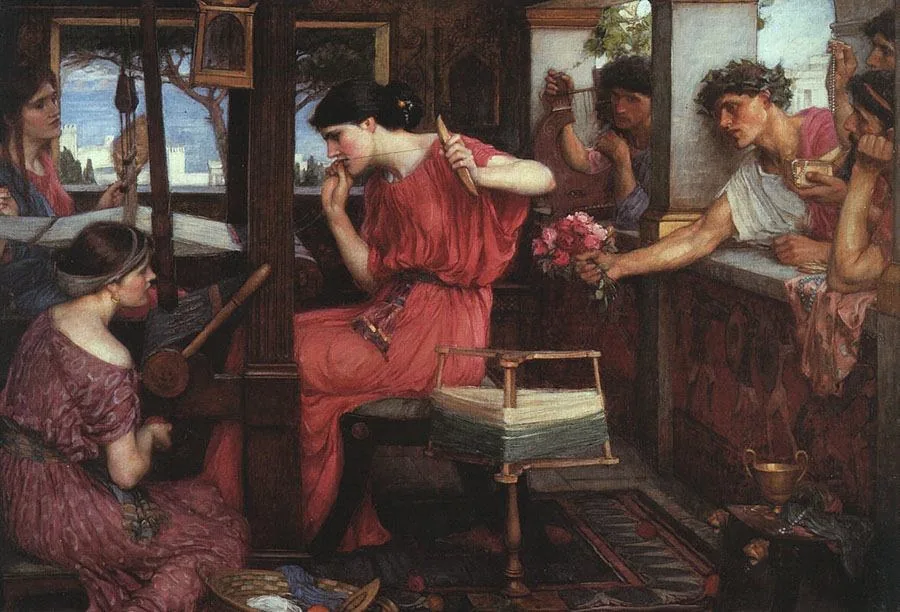
Penelope weaves during the day and takes apart the completed parts at night, repeatedly delaying the end of the work. This method does not destroy the power of the suitors, but it makes it difficult for them to openly deny a family task that should be respected. Wit here is not a trick on the battlefield, but a life strategy sustained by continuous labor. The threads added and removed every day record the situation that she cannot refuse directly, and also show that delay is sometimes a way for people with insufficient strength to preserve future possibilities.
Different narrators bring different evaluations
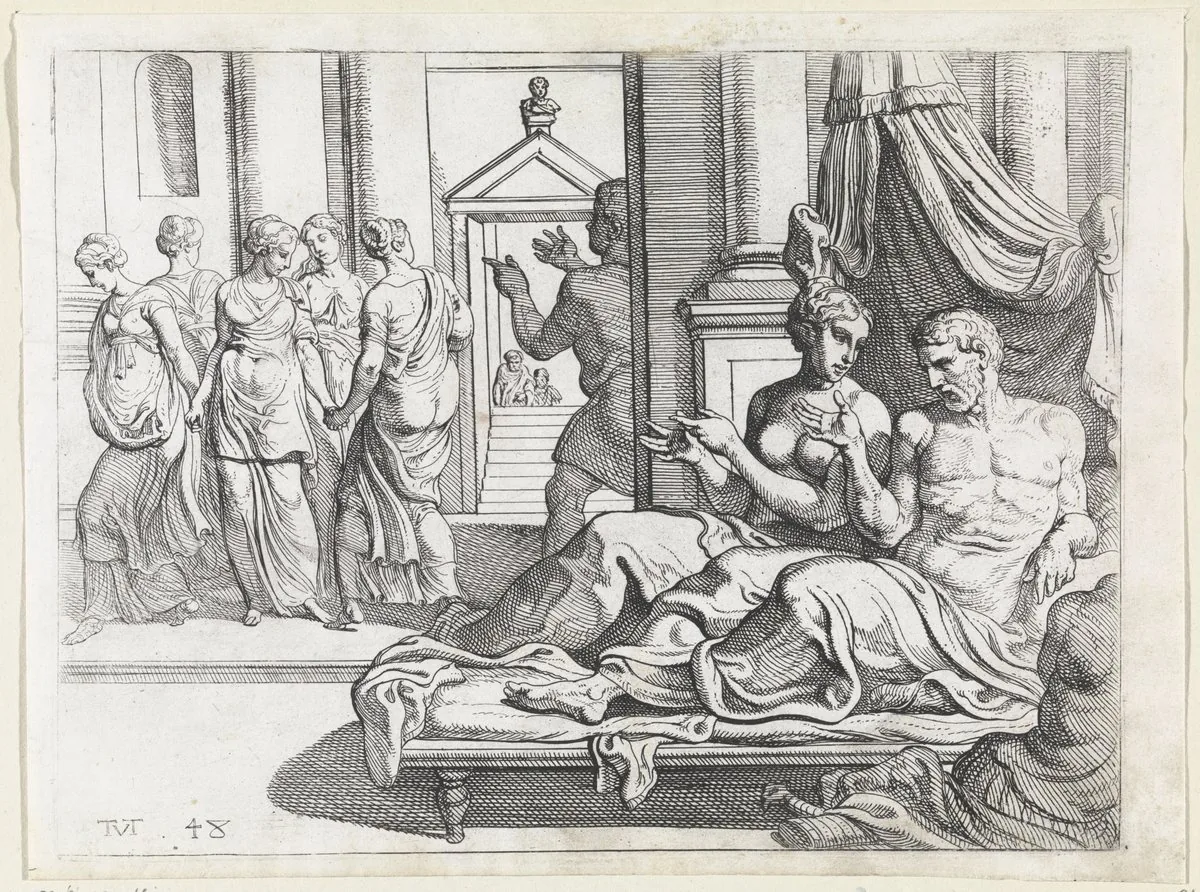
Book 2 introduces the loom scheme from the suitors' accusations, and in Book 19, Penelope personally tells her worries to Odysseus, who is disguised as a stranger. The same actions thus have different meanings: deception in the eyes of those who urge her, but in her own voice connected with family fortune, reputation, and the situation of her son. The epic poem not only tells the reader a clever solution, but also allows us to compare the speaker's position. A character cannot be judged solely by the interpretation provided by the group that profits from her compliance.
Waiting is not without action
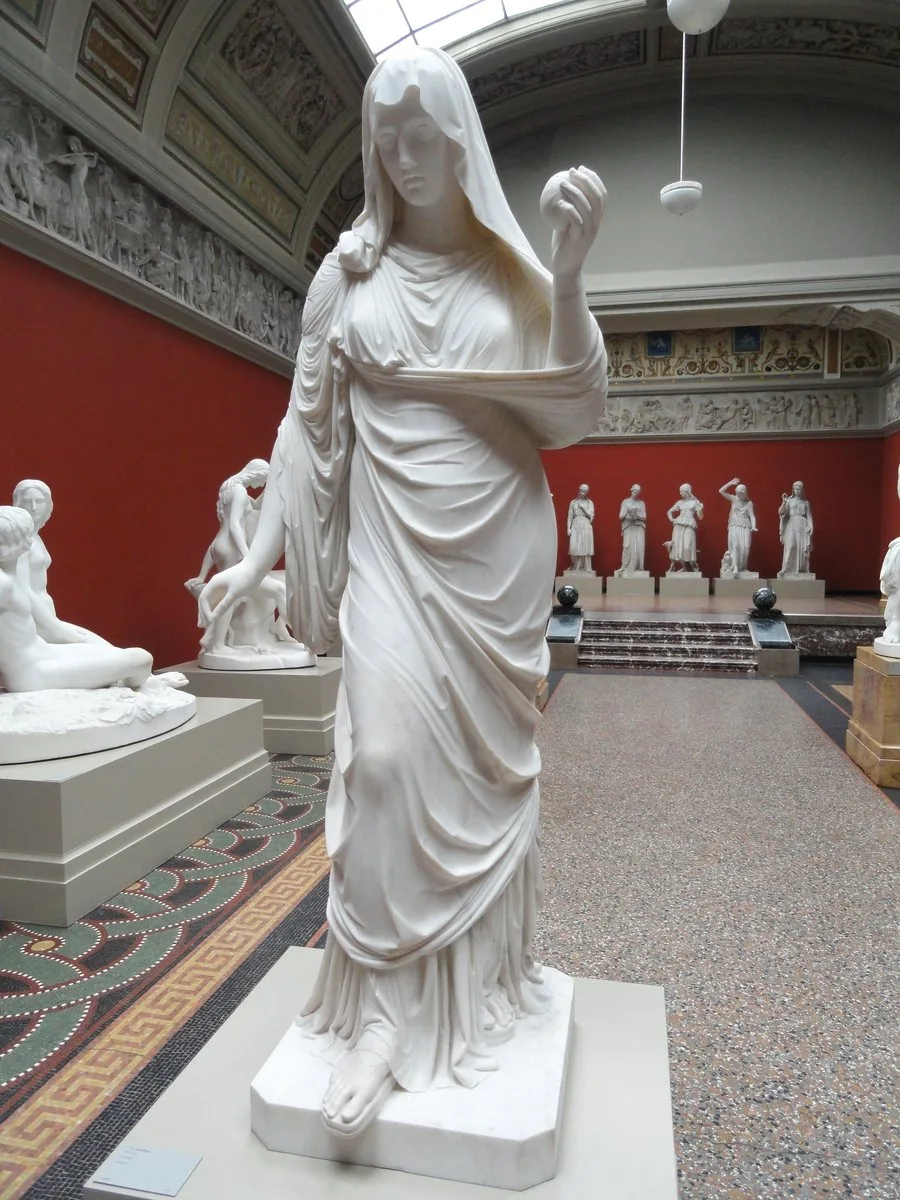
The secret is finally revealed, and the loom cannot stop the crisis forever. Penelope later has to face the competition of the bow and the confirmation of her husband's identity. She cannot be understood as a person who passively waits in place. Later paintings place her at a loom, often emphasizing contemplation and fidelity, but readers can also focus on fabrics, tools, and unfinished work. Her persistence involves judgment, arrangement, and careful processing of information, abilities that echo Odysseus's resourcefulness, except that her battlefield is always at home.