An abstract word has a pedigree
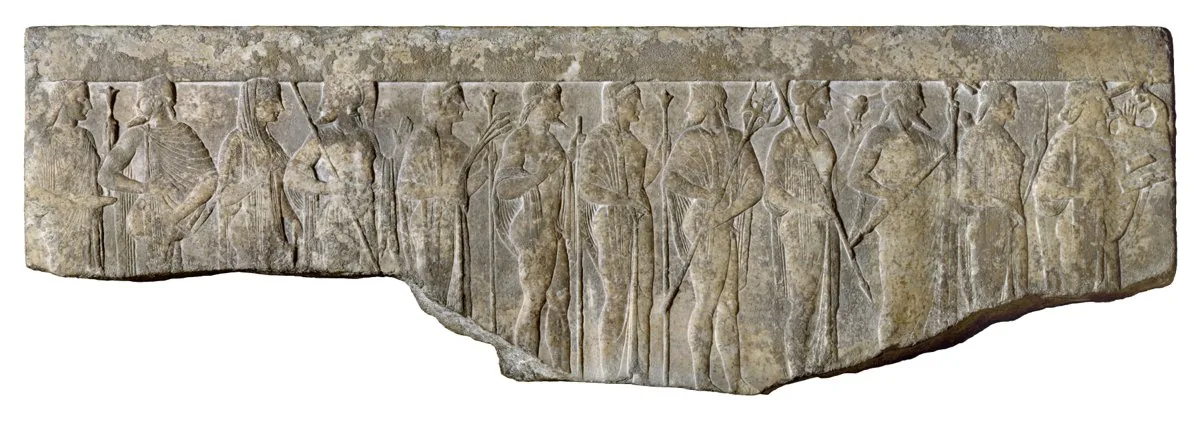
Nike is the personified goddess of victory, and Hesiod ranks her with Kratos, Bia, and Zelos as the children of Styx and Pallas. The names of the brothers and sisters are associated with strength, prowess and competition respectively, so that victory is no longer an isolated result, but within a set of ideas about the ability to act. These gods supported Zeus and gained positions. This genealogy uses the relationship between gods to illustrate how the new order consolidated itself, and also allowed originally abstract concepts to enter stories, images and sacrifices.
Wings represent the speed of arrival
Ancient art often depicted Nike as winged women, flying to winners or crowning them. The wings emphasize that victory can come quickly and come to the scene from a distance, and do not indicate that she is a later Christian angel. The image can appear in the context of combat, but can also be associated with competition and sacrifice. When identifying a figure, you should also look at the flower crown, palm branches or sacrificial vessels she carries, as well as the environment of the work. Just because a woman has wings, she cannot be lumped into the same role as all winged gods.
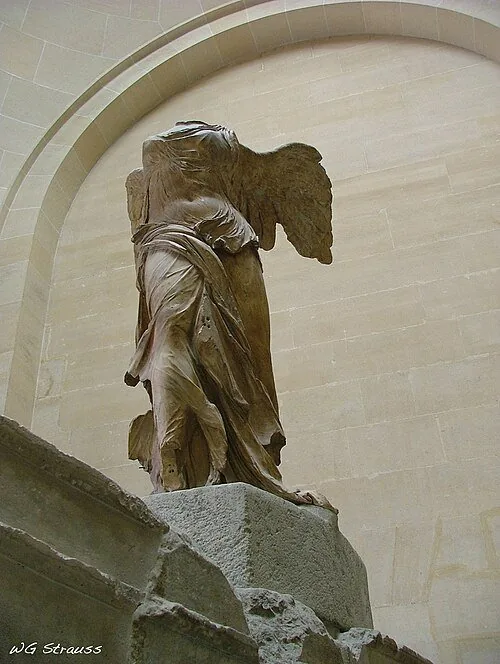
The Winged Victory of Samothrace on a ship's prow
The famous statue of Nike unearthed in Samothrace is usually dated to the early second century BC and stands on a prow-shaped pedestal. The forward posture, outstretched wings and pleats attached to the body create the effect of arriving into the wind, and are often understood as part of the commemoration of victory at sea. The specific dedicators of the work and the battles commemorated are still under discussion, and the gap cannot be filled with an unproven name. Retaining uncertainty does not diminish the power of the statue but rather helps us distinguish visible form from historical inference.
The connection between Nike and Athena
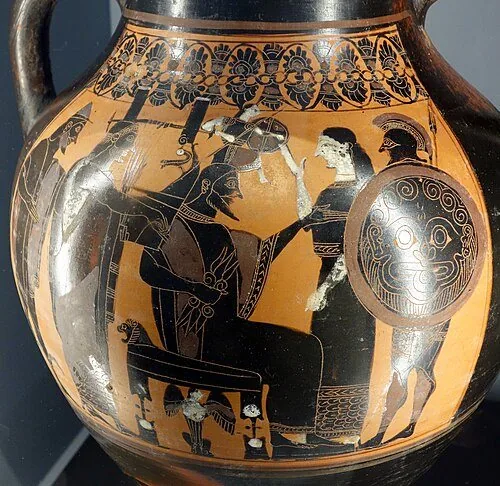
Athena can be connected with the attribute or title of victory, and there is also a temple of Athena Nike on the Acropolis, so the two images will intersect in art and worship. But that doesn’t mean every Nike is just another face of Athena. Later generations often only remember the missing head and hands when looking at large statues. They can still understand from the center of gravity of the body and the base how the artist turned a moment's arrival into stone. Captions should also indicate modern photographers and photo licenses, so that ancient works and today's dissemination of images have clear provenance.