Making a request possible
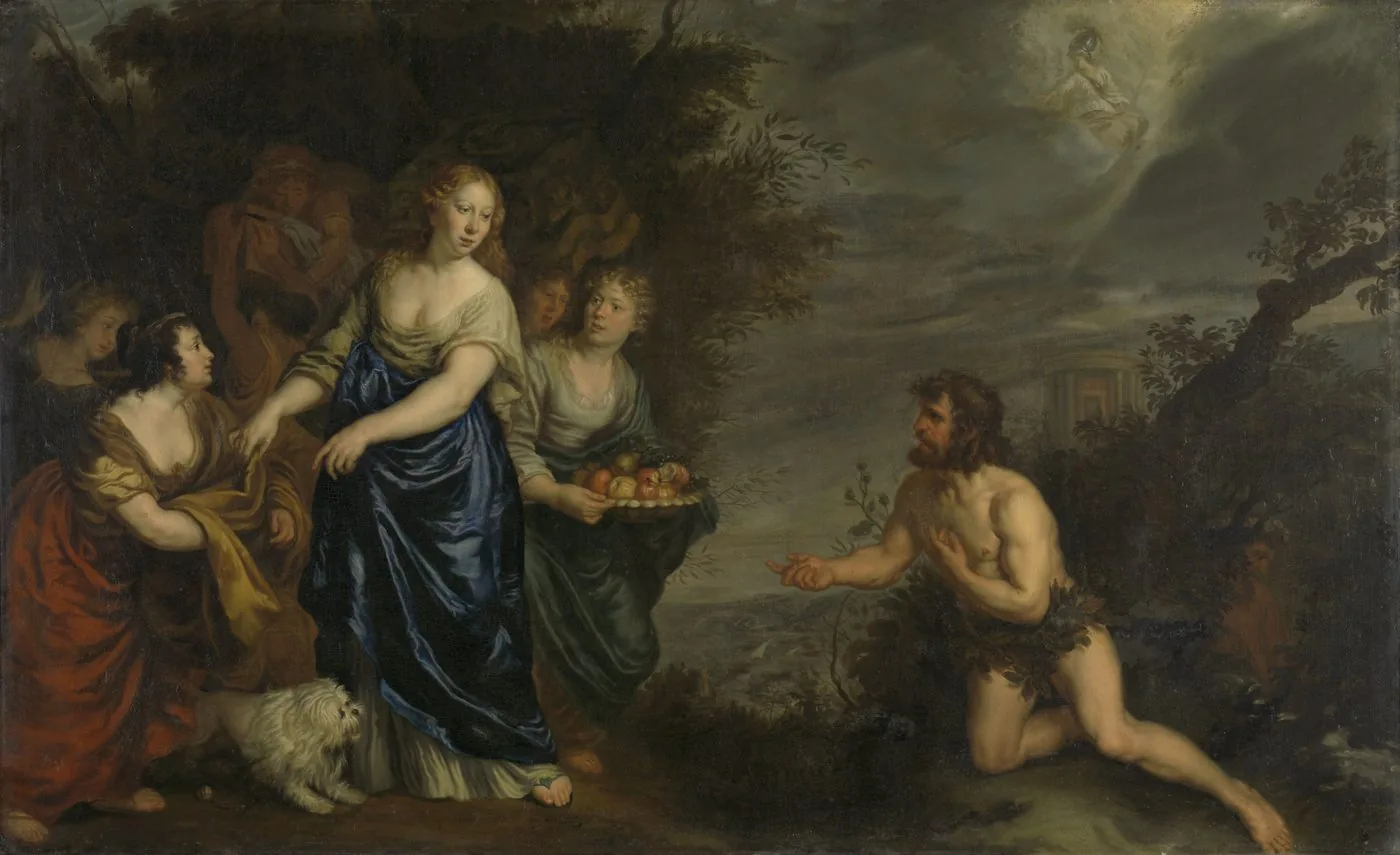
Book 6 of the Odyssey places an important encounter after laundry and a ball game. Odysseus emerges from the bushes, stained by the sea and covering himself with a branch. The girls scatter, but Athena gives Nausicaa courage to stay. He considers grasping her knees, then chooses to speak from a distance. The lion comparison makes his need and his frightening appearance visible together. A hungry man knows that he needs assistance; the people facing him do not yet know whether he is safe. Distance leaves room for an answer. Before the poem shows what he will receive, it shows two people making conversation possible. Her courage and his restraint turn an accidental meeting into an encounter that can continue without either person having to understand everything immediately.
Clothes and food before a name
Nausicaa asks her attendants to provide clothing, oil, food, and drink. Odysseus requests space to wash alone. Assistance has tangible actions, and its recipient can express discomfort. He receives urgent care before presenting his celebrated name at court. We can therefore read this meeting as a response to need, rather than a reward issued after achievements have been certified. Clean clothing changes how others see him; it does not create his hunger or exhaustion. Athena later makes him appear more impressive, but the narrative sequence matters: care precedes that transformation. Dignity here comes partly from someone answering a body that still looks distressed. The episode invites us to notice the timing of generosity, not simply the attractiveness of the guest after he has recovered.
Keeping some distance on the road
When they prepare to enter the city, Nausicaa gives more than a general welcome. She explains how to follow through the fields, then tells Odysseus to wait in Athena’s grove until she reaches home. She fears that people will treat the unknown man as her prospective husband and gossip about her. We need not approve of that gossip to recognise the pressure it exerts. She can command a wagon, attendants, and household supplies, but cannot command everyone’s speech. Calling her arrangement cowardly would overlook what she has already undertaken; portraying effortless warmth would erase her limitations. The helper’s boundaries belong to the encounter. Her instructions accommodate his destination and the community in which she must keep living, without giving either person complete control over the other’s circumstances.
Why the route leads to Arete
The directions end with a person: once inside the palace, approach her mother, Arete. In Book 7, the disguised Athena reinforces the queen’s standing and judgement. Odysseus needs more than an impressive building; he needs to know who can take his request seriously. Later, Arete recognises clothing made in her household and asks where he obtained it. Material assistance from the shore becomes something to explain and examine at court. Receiving a gift does not end every question; asking questions does not automatically withdraw the care already given. Read together, these scenes let us watch trust develop in stages. It involves both an initial willingness to help and the patience to hear an account afterward. Nausicaa connects immediate relief with relationships capable of sustaining further support.
Helping someone continue his own journey
When Alcinous says his daughter should have brought the guest herself, Odysseus takes responsibility for their separate arrival. Knowing the earlier instructions, readers can notice how he shields his helper from criticism. His answer is a response to particular circumstances, not a general model of complete candour. The king later mentions a possible marriage while explicitly rejecting the detention of an unwilling guest. Departure remains possible. Nausicaa’s contribution therefore need not be measured by whether she receives the hero as a husband. She gives someone without clothes, directions, or a place in society the conditions for continuing. To follow this homecoming, trace its smaller arrangements: the distance left between speakers, the clothing laid down, the grove used for waiting, and the door that another person has made possible to enter.