A household chooses to remain at work
At the beginning of Book 4, the daughters of Minyas refuse to join the celebration of Bacchus, the god commonly called Dionysus in Greek stories. While other women participate, the sisters remain at their looms and challenge the god's claim to recognition. Their work is therefore not simply a quiet alternative to noise outside. Within this narrative, continuing to weave is also an act of refusal during a sacred festival. That distinction helps us avoid turning the episode into a timeless complaint that industrious women deserve punishment. The conflict concerns recognition, ritual obligation, and the limits of a household's chosen separation from the surrounding community.
Their stories make a world inside the room
The sisters agree to tell tales while their hands continue working. Among the embedded narratives are Pyramus and Thisbe and the story of Hermaphroditus. Readers can therefore spend a long time within their voices before returning to the danger around them. The women whom the framing narrative presents as resistant to a god are nevertheless capable of sustaining rich and unsettling accounts of other people's desires. Their eventual punishment should not make that storytelling vanish retrospectively. The structure gives them a space of imaginative activity, even as the larger plot prepares to take control of their bodies and the room where that activity occurs.
Sound enters without a visible performer
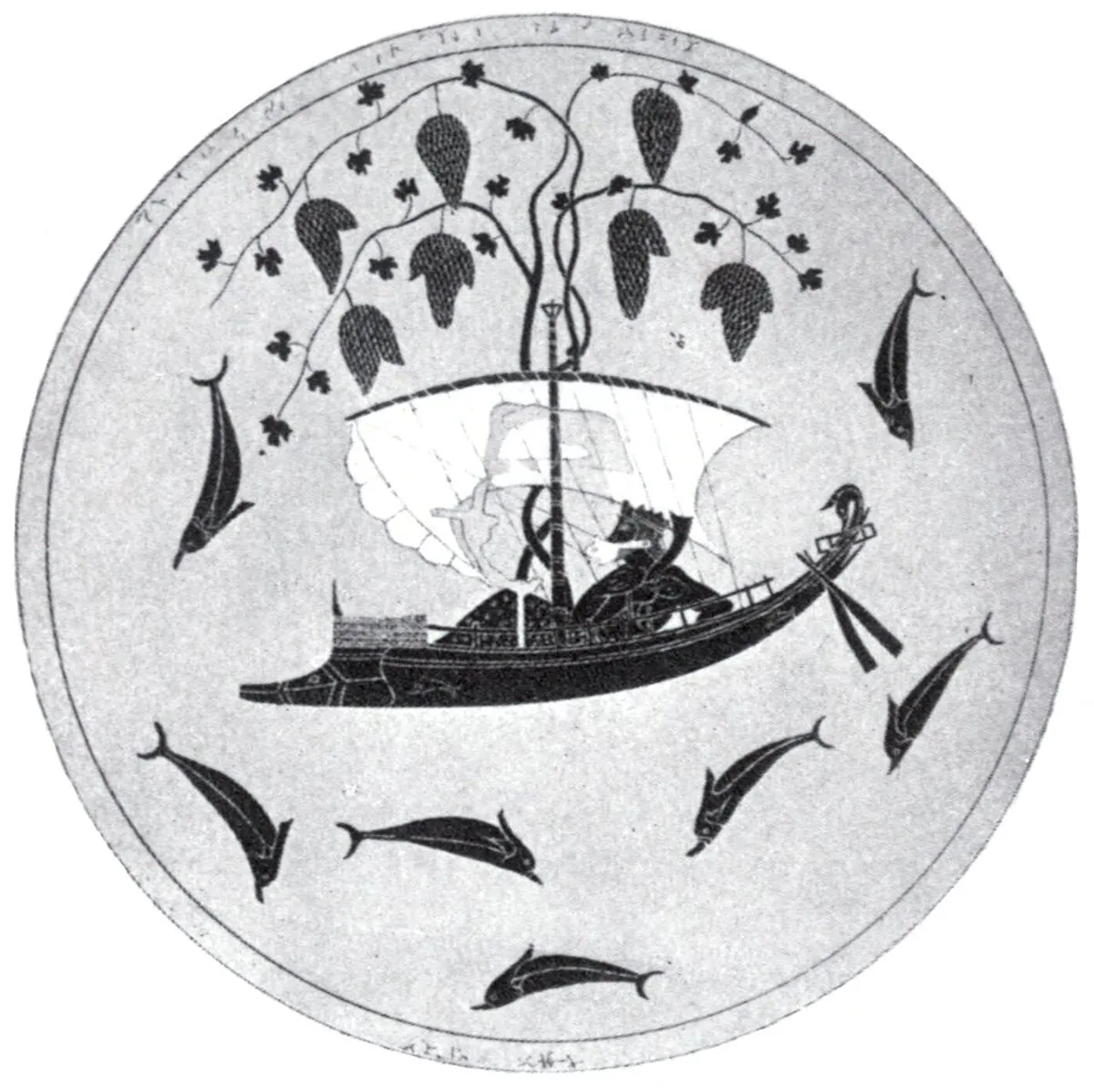
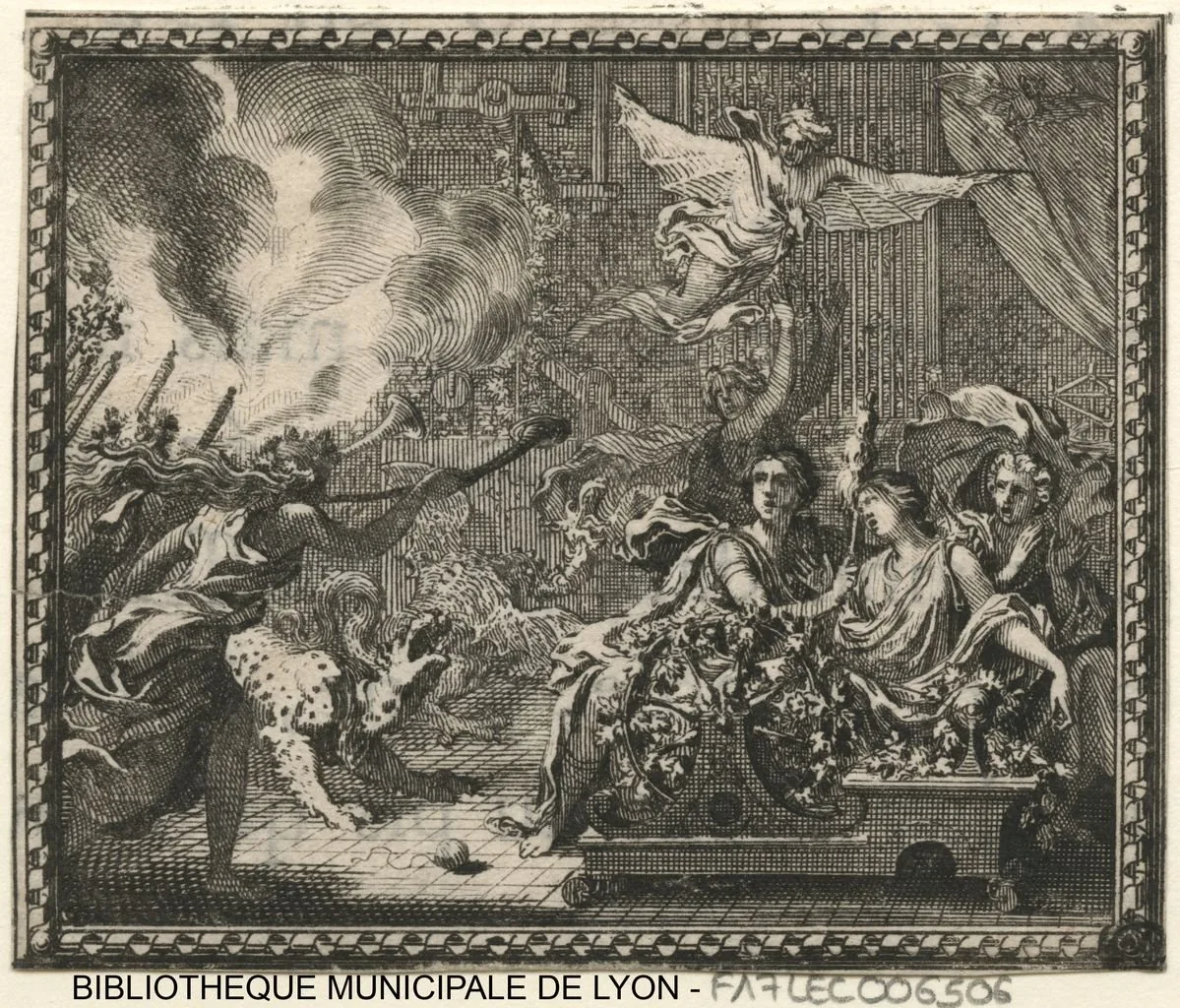
After the tales, unseen instruments sound, fragrant substances fill the air, and the women's textiles begin changing. Threads become tendrils, the fabric greens into foliage, and the purple of weaving becomes the colour of grapes. These transformations are closely connected to the material already in their hands. The god does not simply replace one unrelated scene with another; the loom itself supplies the forms through which his power becomes visible. The household's chosen work is drawn into the signs of the celebration it has rejected. A boundary maintained by staying indoors no longer keeps the festival outside, because the distinction between tools, plants, and divine presence is breaking down.
Twilight changes the means of escape
At an uncertain hour between daylight and darkness, the house shakes and frightening appearances surround the sisters. They try to hide, but membranes spread over their limbs and they become bats. Ovid emphasizes wings without feathers and small cries where human speech had been. The change does not give them the triumphant flight of a freely chosen departure. It links their new habits with dark buildings and the evening hour. Their earlier ability to organize a sequence of stories contrasts with a body now described through flight, concealment, and diminished voice. The narrative carries the room's loss of stability into the creatures' continuing way of living.
Keep this ending separate from other refusals
Book 3's Pentheus also rejects the god, but his confrontation has a different setting and a different violent conclusion. We should not import that conclusion into the sisters' transformation or treat every resistance story as the same event with new names. The Minyades episode is distinctive because storytelling and textile work occupy so much of its space. Its ending changes the hands that worked, the voices that narrated, and the house that seemed to protect them. Reading the frame alongside the embedded tales preserves both their imaginative activity and the coercion that ends it. Divine recognition arrives through a transformation whose cost remains visible in the form of the new bodies.