A Hunter’s Accidental Intrusion
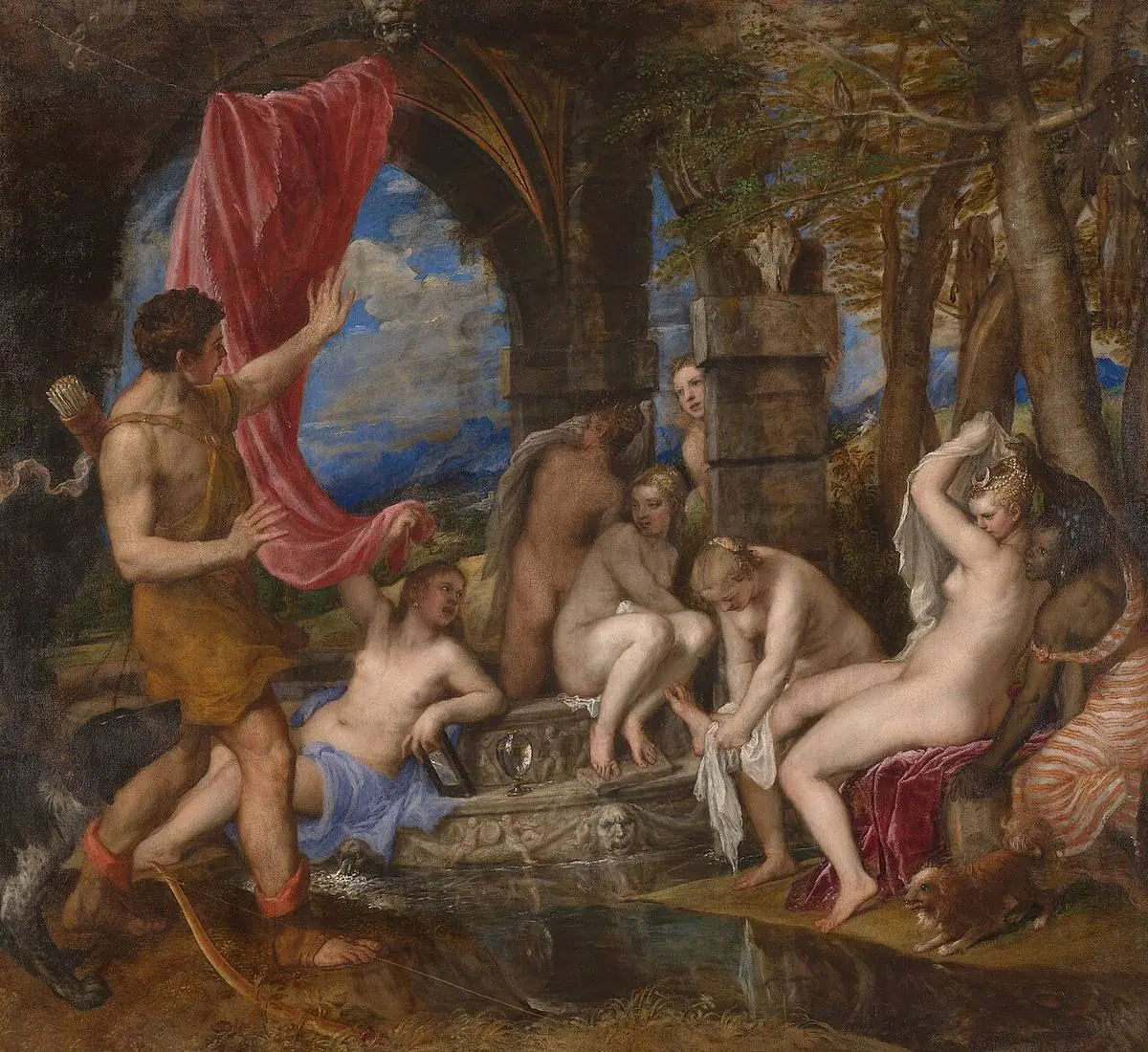
This article is a restatement of the third volume of Ovid’s Metamorphoses. Actaeon ended the hunt and asked his companions to rest for a while. He walked alone in the woods and accidentally came to the cave where Diana and the nymphs were bathing. The poet deliberately attributed the encounter to a mistake in fate, and did not say that he had planned to spy on her. The nymphs tried to shield the goddess, but because the weapon was not at hand, the goddess splashed water on the hunter's face, allowing him to tell what he saw if he could.
The role exchange between hunter and prey still retains the familiarity of the past. He recognizes the dog's name and temperament, and understands the habits of his companions, but this knowledge now only deepens his distress. The poem even lists the hounds one by one, making the group more than just vague attackers. The more he can recognize each chasing partner, the more he can feel the loneliness of being unrecognizable by his partners.
Thought Remains, Speech Is Lost
Actaeon's body quickly grew antlers, his hands and feet turned into hooves, and his skin was covered with hair. Seeing the reflection in the water, he wanted to shout, but he could only make animal noises; the human consciousness was still trapped in the new body. He hesitated to go home, but the familiar hounds had already smelled the scent and chased him. They regarded their master as prey, and his companions urged the hounds from a distance and called Actaeon to come and watch, not understanding that he was right in front of them.
Identity Depends on Recognition
The power of tragedy comes from cognitive failure: he knows who he is, but he cannot let others know; what used to be an intimate group becomes an unnegotiable threat. The goddess's privacy, casual glances, and disproportionate punishment also leave room for modern readers to think. Other Greek traditions have attributed his sins to boasting of hunting skills or pursuing a goddess, but these causes are not used in this article. When looking at later works, you need to check whether the depiction depicts an accidental entry, transformation, or attack. Different moments allow the audience to understand his situation from different distances.