Distant power still reaches a community
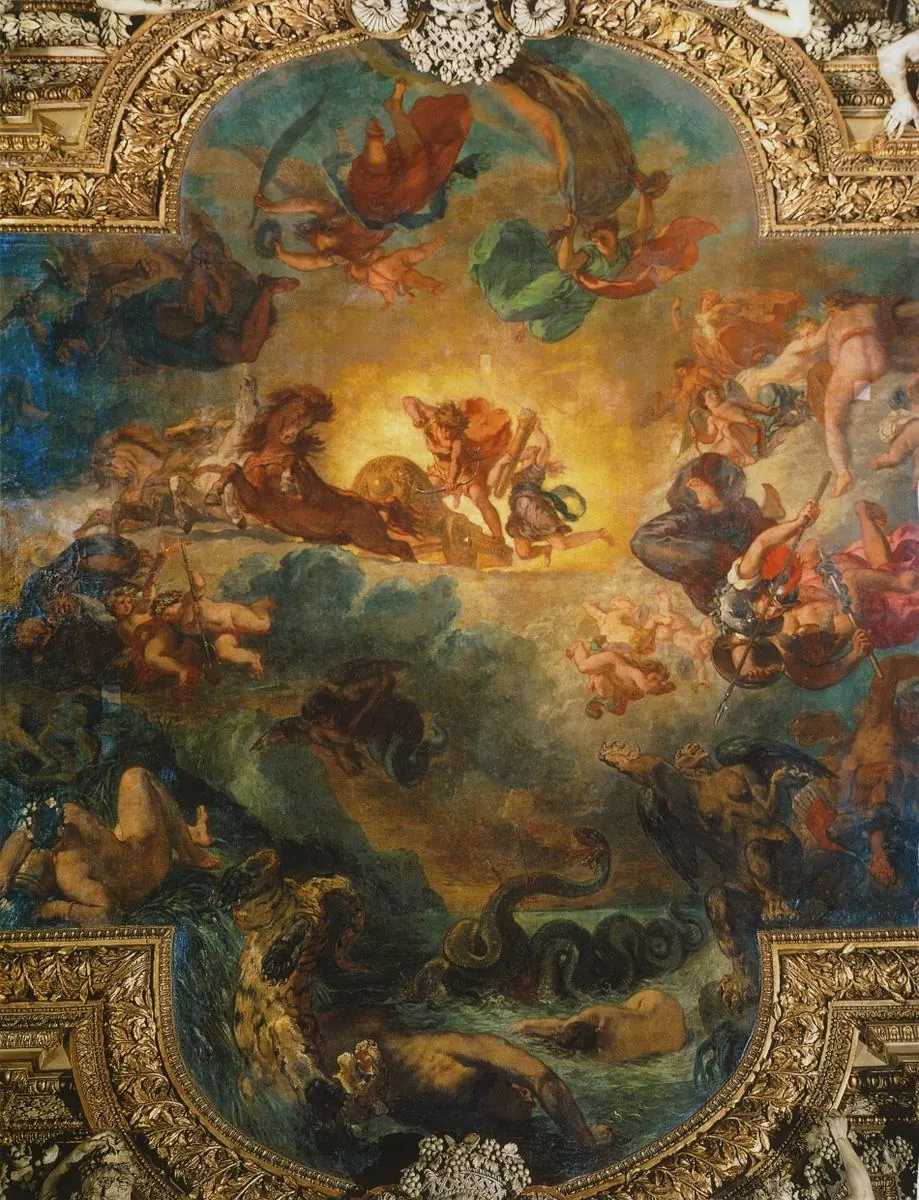
At the beginning of the Iliad, Apollo sends a plague into the Greek camp because his priest has been insulted. His distant shooting turns an unseen separation into harm everyone must confront. To end the disaster, the army must ask why it happened and address the violated relationship. The bow is more than an attractive symbol of independence or concentration. Even an actor far from the scene can profoundly change other people's lives. We can approach Apollo through the effects of voice, oracles, and arrows, rather than first assigning him a personality that is always bright and calm.
Woodland does not mean perpetual solitude
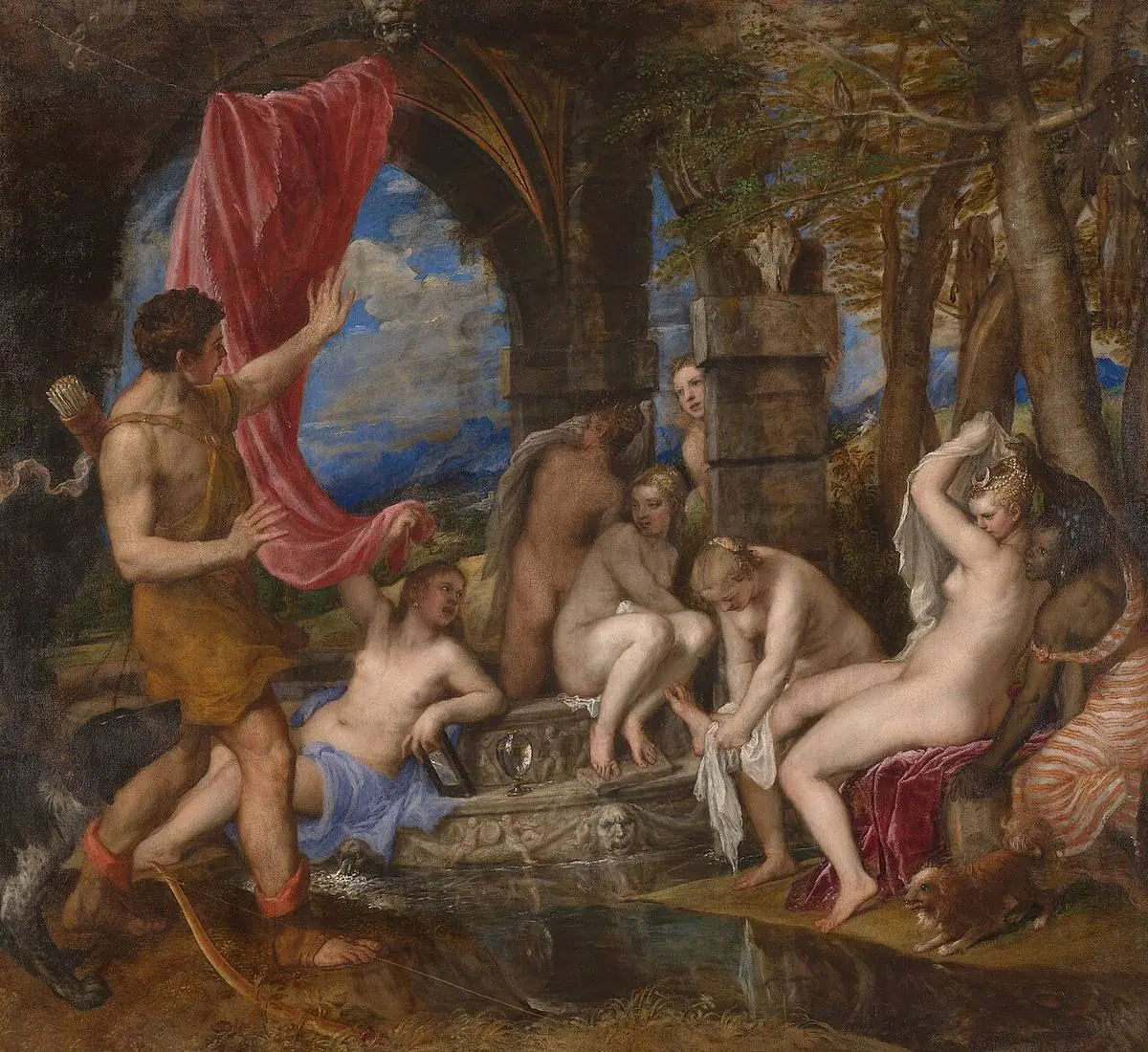
Homeric Hymn 27, To Artemis, first shows the goddess hunting in the mountains, then putting down her bow and leading song and dance at her brother's dwelling in Delphi. Hunting and collective singing belong to the same poem, rather than to two irreconcilable goddesses. Her movements show a passage back and forth: leaving a crowd need not mean refusing every relationship, and joining a celebration need not mean surrendering one's own sphere of activity. The nymphs and dancers also remind us that the ancient imagination of woodland includes companionship and sound, not simply silence.
The siblings cannot simply become Sun and Moon
Calling Apollo the Sun and Artemis the Moon is a familiar later association, but early Greek poetry also sings separately of Helios and Selene. Connections among traditions deserve explanation, without allowing an easy chart to replace distinctions between works. Likewise, the siblings' shared use of bows does not mean that they handle identical concerns. Similar objects can express different functions, just as the same choice in different circumstances might signify protection, punishment, concentration, or departure.
Leave distance a route back
If you admire the siblings' concentration and freedom, you can direct your reading toward the uses of distance: what do you need to step away from, and what are you willing to rejoin? This does not predict real behavior from a divine image; it makes ancient scenes a richer point of reference. Apollo's voice can gather people, and his arrows can hurt them. Artemis can enter the woodland and also lead a dance. Understanding your own rhythm does not require making solitude and belonging mutually exclusive, or declaring one way of life the only mature answer.