Finding a Place for the Sanctuary
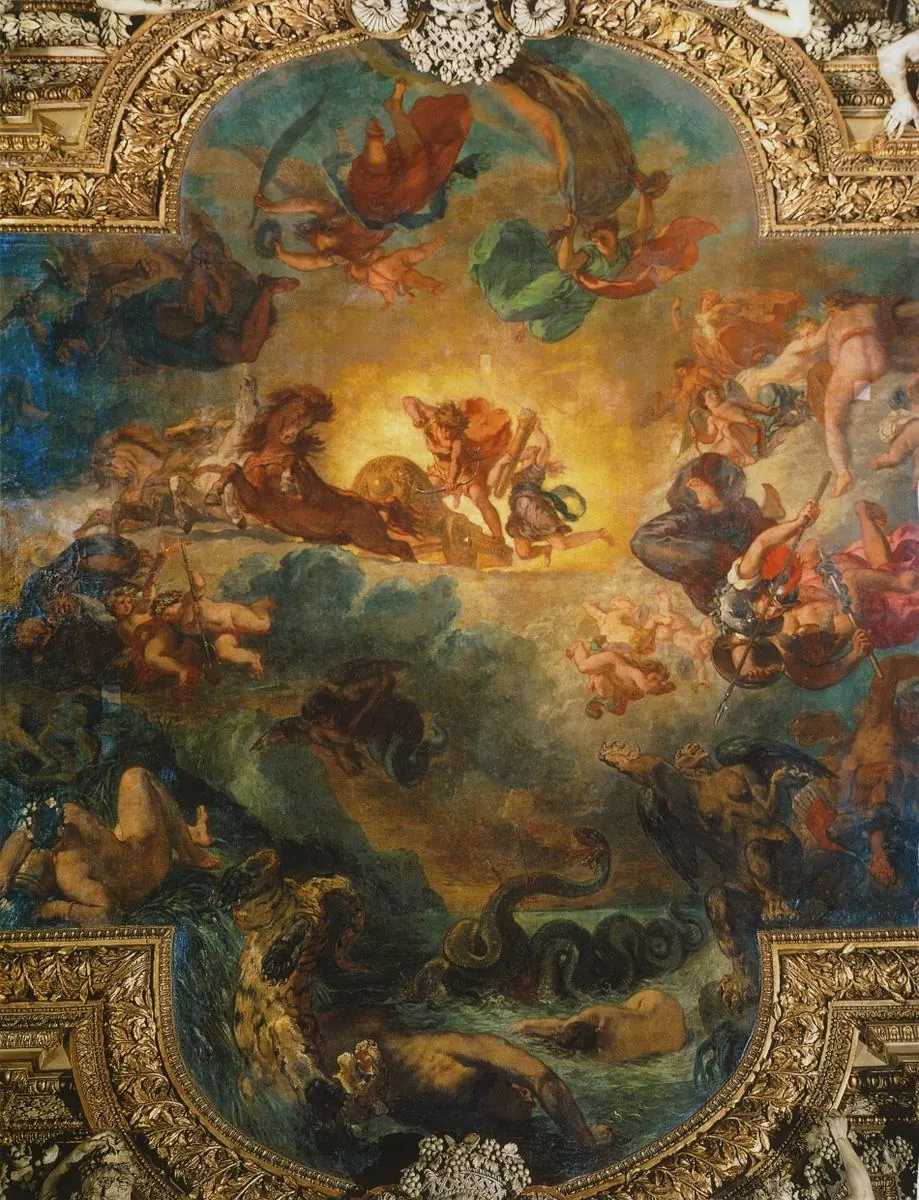
The Pythian section of the Homeric Hymn to Apollo describes the god's search for a place to build a temple. He passed through many areas and finally set up a foundation at the foot of the mountain, ready for people to come with questions and offerings. A female snake near a spring threatened people and livestock, and Apollo killed her with an arrow. The poem also inserts the story of Hera giving birth to Typhon and giving him to the mother snake to raise, so the snake here and Typhon in Hesiod's version cannot simply be combined into the same monster.
The Cretan merchants of the sea did not initially intend to become priests. Their career direction has changed through divine intervention, and they must ask how to maintain their new life. This question brings a very concrete reality to the origin of the temple: a solemn sanctuary required daily care, sacrifices, visitors, and a division of labor. Myths use divine instructions to explain systems, but at the same time they do not completely delete ordinary people’s life concerns.
Names and Divine Arrangements
The female snake falls to the ground and rots, an action the poem uses to explain the name Pytho. After Apollo took possession of the place, he still lacked people to tend the sanctuary. He found a ship carrying Cretan merchants, jumped onto the deck in the form of a dolphin, guided the ship to the shore, and then appeared in the form of a god. Apollo instructed them to build an altar and led them to the future sanctuary. The image of the dolphin also helps explain the title of Delphi, linking sea routes and rituals to the temples on land.
How the Priests Will Live
Businessmen worry that the barren place cannot support them. Apollo replied that those who came to inquire would bring sacrifices and that they would obtain a source of livelihood from the work of serving the sanctuary; he also warned them not to be arrogant and evil. These elements make the establishment of an oracle an arrangement of social relations, not just an archery victory. This article adopts the narrative of hymns, and other theories about divine purification of sins, games, or snake names in later generations have their origins. The slaughtering of snakes in the painting can be a reminder of war, but it cannot alone express the concern about the life of priests in the second half of the hymn.