Two Instruments Meet
Marsyas comes from the mythological tradition connected with Phrygia. He is good at playing aulos, which is usually a double-piped wind instrument and cannot be directly regarded as a modern transverse flute. Pseudo-Apollodorus said that he found Athena's discarded musical instrument and subsequently competed with Apollo. Both parties agreed that the winner could make his or her own choice against the loser. The story thus establishes the rules of danger before the music begins, rather than just having a punishment pop up after it ends.
In many narratives, the wind player and the lyre player respectively represent different vocal and physical techniques. The requirements for flipping an instrument not only test general proficiency, but also treat the possibilities of an instrument as a common denominator. Competitions can therefore raise specific questions: who determines the method of comparison, whether a certain rule favors one side before it begins, and whether victory or defeat proves full value.
How the Rules Decide the Winner
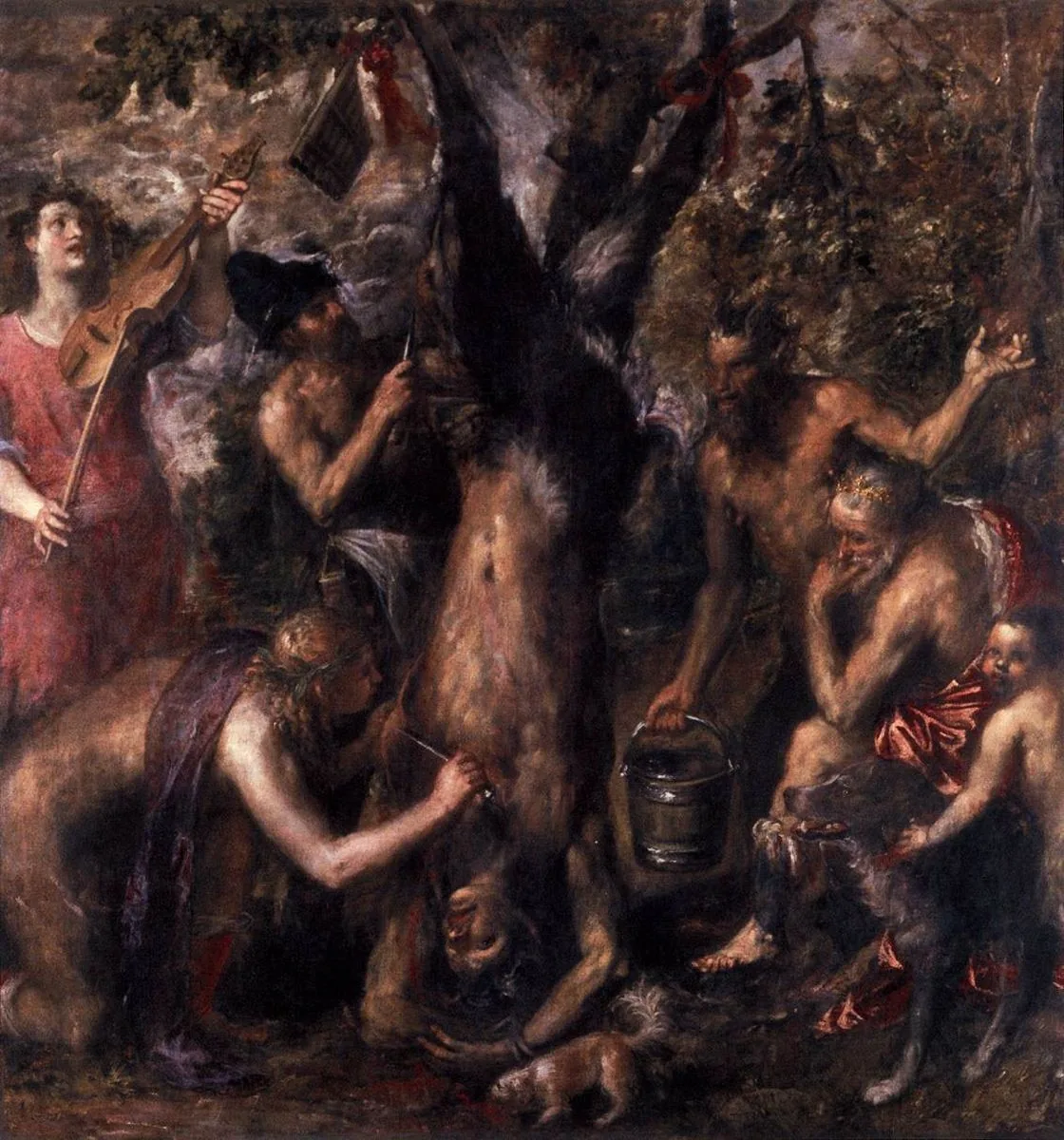
The Library states that Apollo turned the lyre over and asked his opponent to play the pipe in the same way; Marsyas was unable to do so, so Apollo prevailed, hanging him and skinning him. Other authors have different arrangements for judging and competition methods, and this article does not mix them into several rounds of a unified competition system. Ovid did not reenact the game completely, but concentrated on the pain of the loser and the beings in the mountains and forests who shed tears for him. The tears were ultimately connected to the origin of a river.
Music and Unequal Power
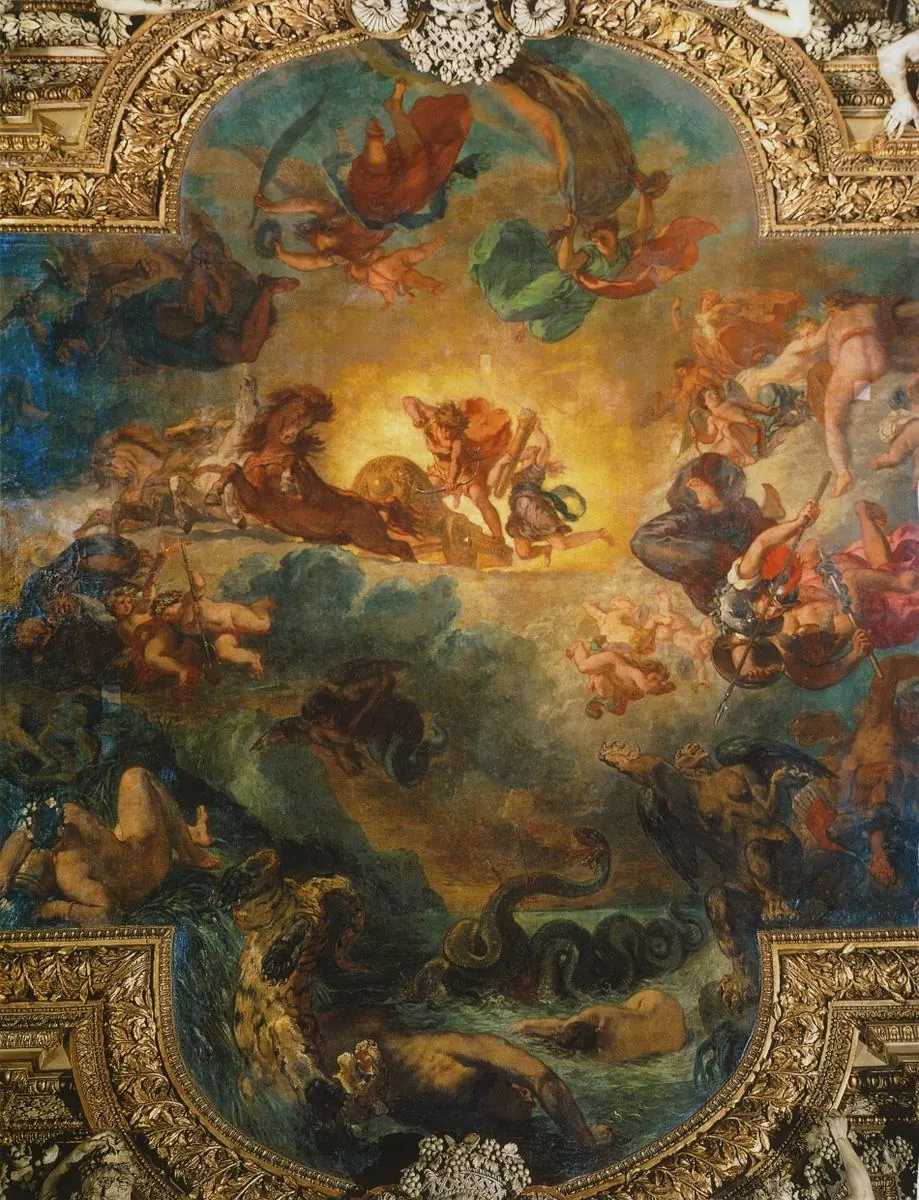
This story can certainly be used by the ancients to illustrate the dangers of challenging the gods, but the reading does not have to stop at the point where pride must be punished. The abilities, nature of the instrument, and power of disposal are not equal between the two parties: being able to play a beautiful sound does not mean that you can determine how the competition will measure you. When painters of later generations faced this theme, some depicted competitions, some turned to torture, and the visual focus changed accordingly. By reading the text version and the title of the work together, you can avoid mistaking a cruel scene for the game itself, and you can also see that the god’s beauty and violence coexist.