A Mother Counts Her Children as Honor
Niobe in Book 6 of Ovid's "Metamorphoses" has wealth, royal birth, and seven sons and seven daughters. When the Theban women offered sacrifices to Leto, she openly asked people to turn their honor to her: the latter had only two children, but she had fourteen. She used her family background and number to compare her dignity, allowing private pride to enter public sacrifices. This article uses Ovid's version of fourteen children; Homer's "Iliad" mentions six sons and six daughters. The two numbers are not interchangeable.
Niobe saw having more children as a guarantee against being easily damaged, as if the number could offset any loss. But the narrative just breaks down this calculation, making each life irreplaceable name by name and action by action. As she moves from comparison to supplication, the purpose of her words changes: words that were originally used to gain status now serve only to try to preserve the one person who is still in front of her.
Arrows Refuse the Comparison
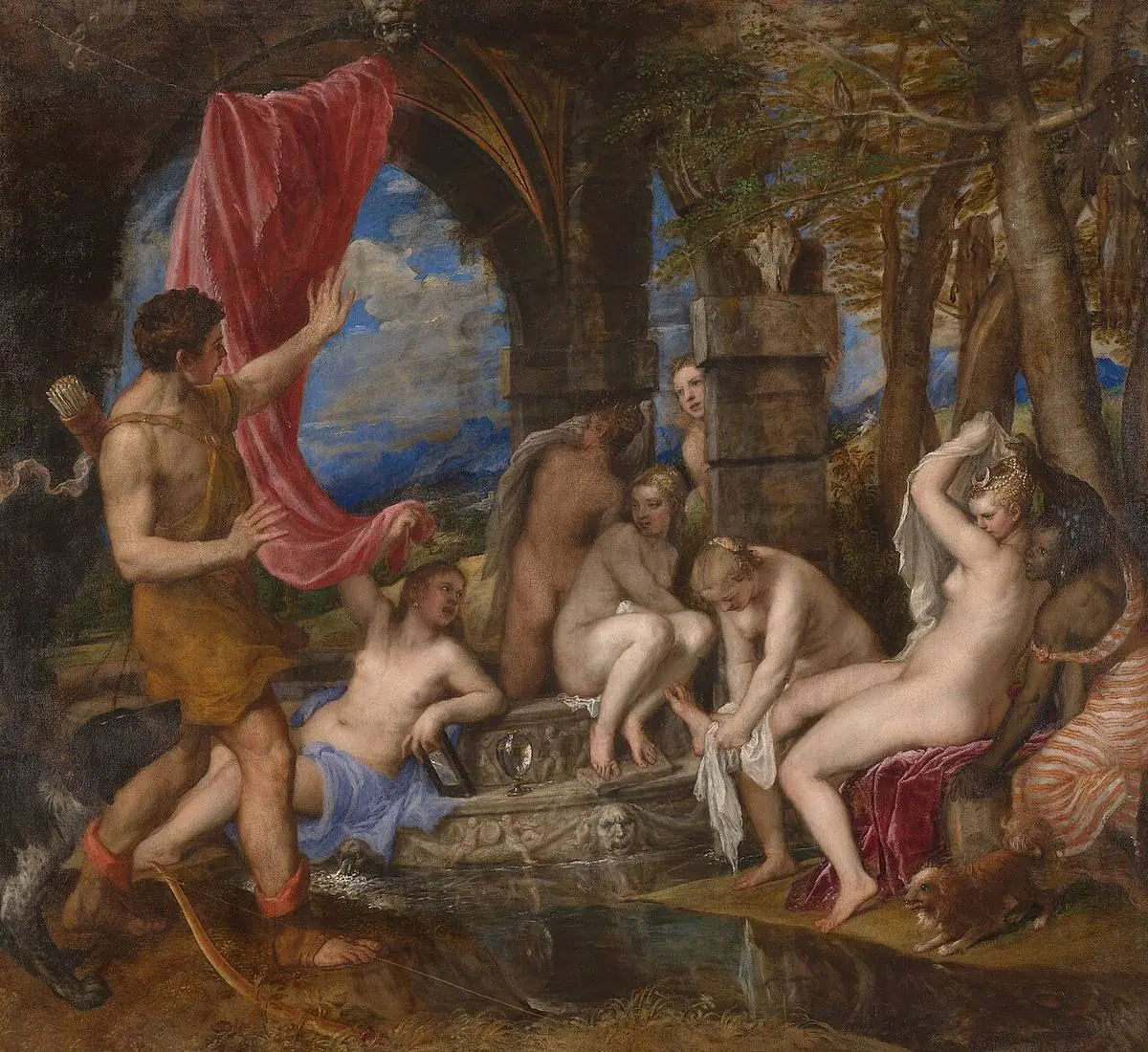
Leto complained to Apollo and Artemis about the humiliation, and the two children immediately took action. Apollo first shot Niobe’s sons while they exercised outside the city, and Artemis then shot her daughters. Niobe turned from resistance to begging, hoping to at least keep her youngest daughter, but the request did not stop the last arrow. Her husband Amphion also died in the disaster. Poetry unfolds layers of loss, turning previously boasted prosperity into uncountable pain.
A Still Body and Flowing Grief
Niobe sat among the remains of her relatives. Her limbs, face and voice gradually became stiff, and finally turned into stone, and was carried back to her hometown Mount Sipylus by the wind. Tears continued to flow from the stone. This ending separates transformation from oblivion: the living gesture disappears, and the grief has no end. As you read, you can understand the fear of offending the gods in ancient stories, and you can also see the uneasiness caused by punishment affecting children who did not participate in the boasting. The stone no longer speaks, but the mother's emotions are preserved by the continuous flow of water. The power of the winner cannot erase this layer of tragedy.