A mother remembered through her daughter
In Iliad 9, Phoenix tries to persuade Achilles to stop refusing help to his companions. He tells of Meleager remaining at home instead of fighting. The wife beside that hero, Cleopatra, is the daughter of Marpessa and Idas; Marpessa’s father is Evenus. The poem recalls Idas taking up his bow against Apollo for her sake. It also explains Cleopatra’s other name, Alcyone: in Butler’s translation, her mother Marpessa lamented like a halcyon bird when Apollo carried her away. A few lines of genealogy thus preserve the mother’s own crying. They do not, however, describe Zeus allowing her to choose a husband. Listening first to what Homer actually includes prevents us from placing a later episode of choice in a passage that never gives it.
A winged chariot does not establish freedom
The Bibliotheca, at 1.7.8–9, develops the episode differently. Apollo woos Marpessa, but Idas, son of Aphareus, carries her off in a winged chariot supplied by Poseidon. Her father Evenus pursues them in his own chariot. Unable to catch them at the river Lycormas, he kills his horses and drowns himself; the compiler explains the river’s subsequent name, Evenus, through his death. This naming story is not modern historical proof about the river. Reaching Messene, Idas meets Apollo, who tries to take the young woman from him, and the two fight. The taker and actions differ from Homer’s brief account, rather than forming an inevitable sequence of successive abductions. However graceful a winged vehicle looks, it cannot establish the passenger’s agreement. The compiler has not yet let her answer.
A decision with an explicit reason
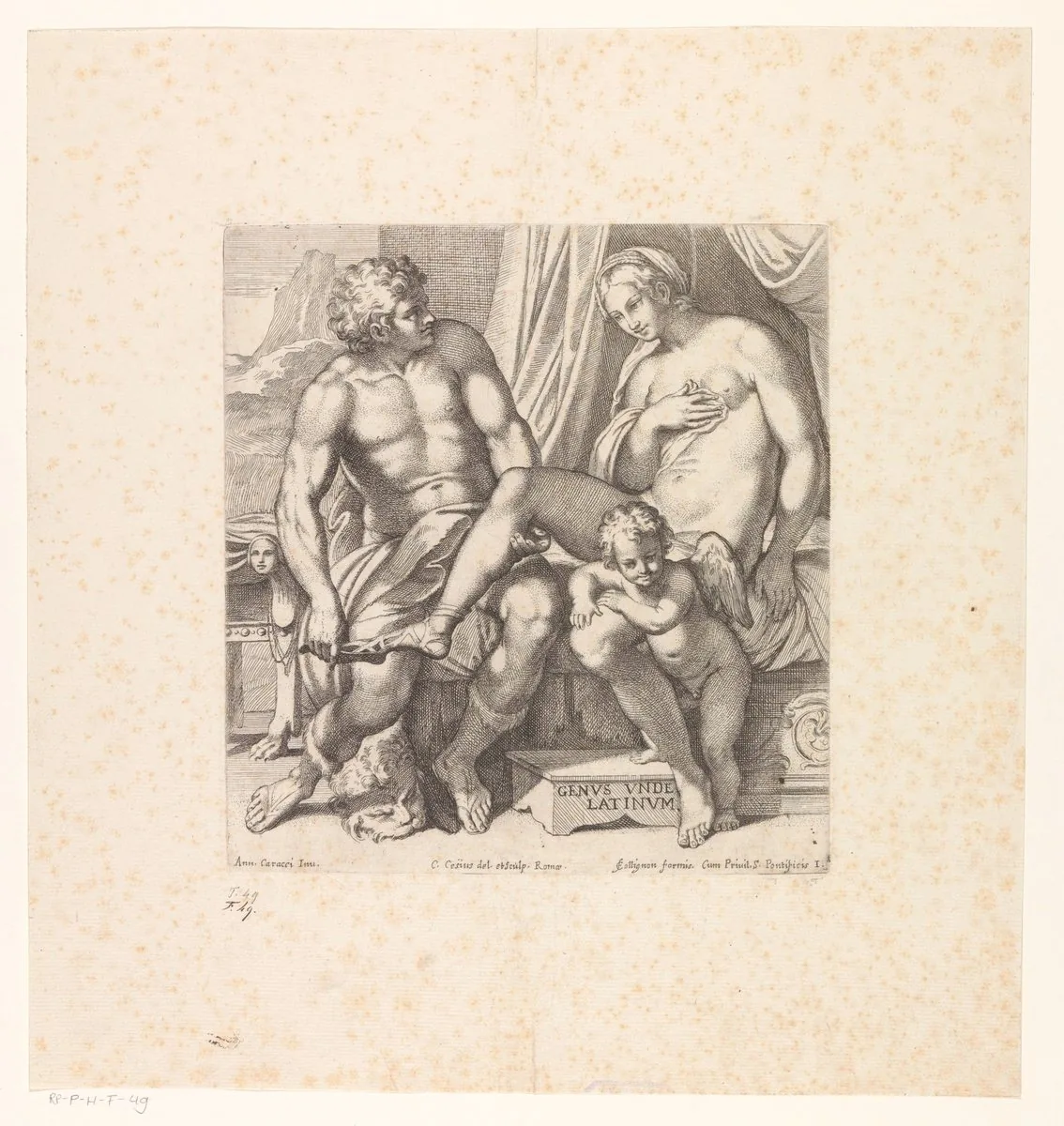
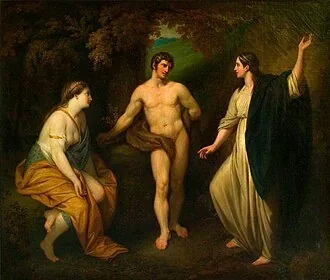
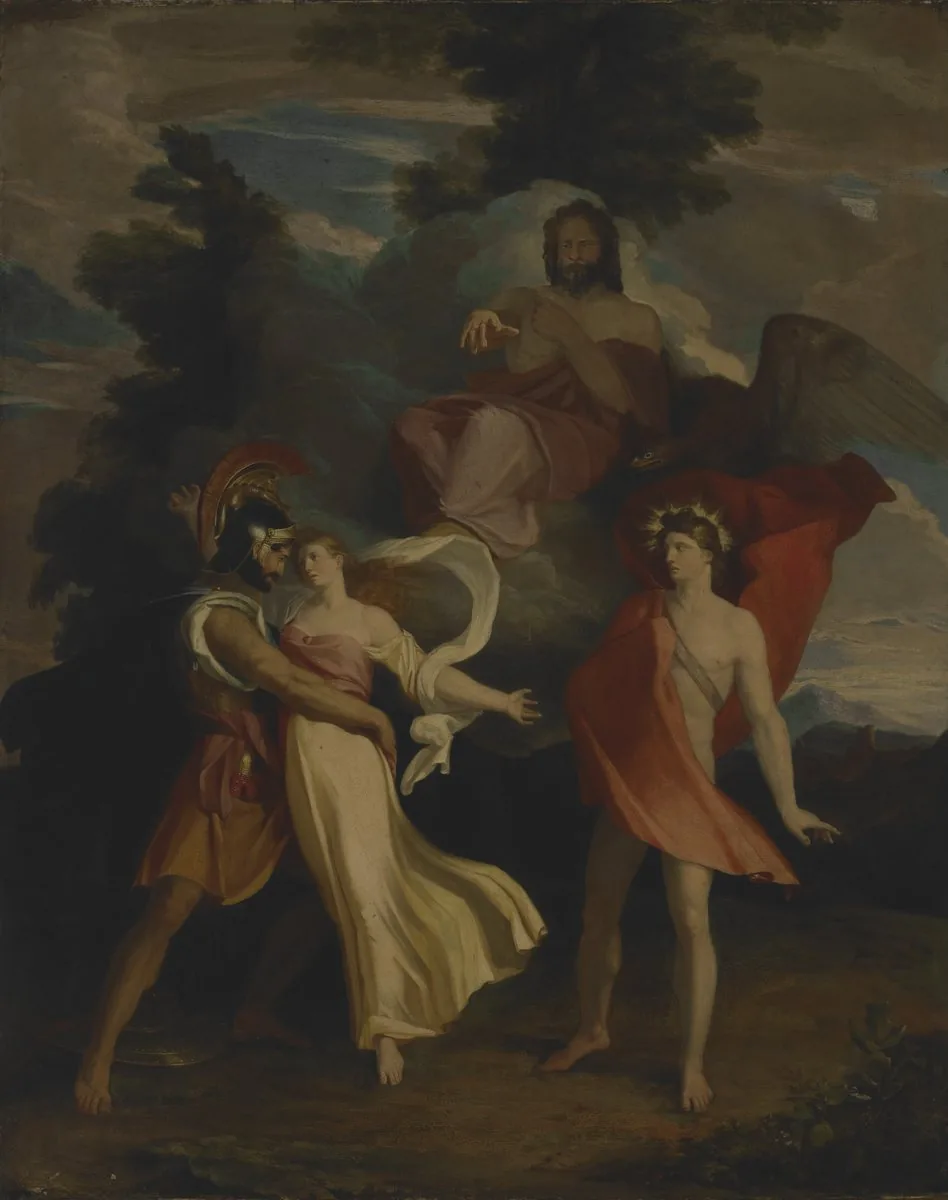
Zeus separates the combatants and allows the young woman herself to decide whom she will marry. Marpessa chooses Idas because she fears Apollo might abandon her when she grows old. That is the reason explicitly given at Bibliotheca 1.7.9. We need not invent a lengthy address delivered to both suitors. Nor does this passage record Apollo formally offering her immortality or perpetual youth. Saying simply that she rejected eternal life therefore exceeds what it supplies. The change is more particular. Someone whose route has been determined by a father’s pursuit, a man’s chariot, and a god’s struggle now receives an acknowledged opportunity to answer. Instead of choosing the strongest figure before her, she brings the aging that has not happened yet into a decision made today.
Considering the future is not knowing it
Time makes this short episode especially thought-provoking. Apollo and a mortal woman do not face the same conditions of aging. Marpessa considers whether a relationship will still value her when her body changes. We can reflect on companionship without turning her concern into a proven prophecy that Apollo would certainly leave. Choosing Idas likewise does not make the text guarantee a lifetime without harm. The daughter and family relationship mentioned by Homer cannot certify that every subsequent year was happy. What the story supplies is a reason for a decision, rather than a complete investigation of a marriage. Keeping the distinction makes her judgment recognizable as serious thought under limited information. The future matters even when it cannot be fully possessed or known.
Leaving her a space in which to answer
Homer places Marpessa inside another household’s story, preserving a mother’s crying through her daughter’s additional name. The Bibliotheca instead focuses on her decision after a fight is stopped. We can read these emphases together without pretending that every detail belongs to one narrator. Her room to answer is still constrained: Zeus grants it after earlier acts of taking. Consent previously left unspoken is not supplied retroactively by the final choice. Even so, her explicit reason prevents her from remaining only the prize in two men’s contest. Readers need not turn it into a rule for everyone’s choice of partner. We can notice the question changing: from who can carry her away to what future she is willing to approach. A story about love briefly lets the contested person help explain what love should mean.