No Place Will Receive Her
The Delian part of "Homeric Hymn to Apollo" has the pregnant Leto walking across the continent and islands in search of a place to give birth. Many places were afraid of the power of the new gods and worried about their relationship with Hera, refusing to give her space to stay. Leto came to the barren island of Delos, promising that it would become a place where Apollo would be honored, and that those who came to offer sacrifices would make the island rich. Acceptance is therefore not an unconditional coincidence, the place's relationship with the divine is negotiated before birth.
Leto’s promise to the island was not to improve the soil, but to connect it to a new communication network. People gathered for sacrifices, songs, and games, giving a previously despised and barren place another centrality. The small island also voiced its fears, so this agreement is not a unilateral honor given by the god; both the acceptor and the accepted must explain what they can give.
The Island Has Fears of Its Own
Delos was worried that Apollo would despise the barren land and push it to the bottom of the sea to build a temple in a more desirable place. Leto solemnly vowed to let her son build a temple here first, and the island agreed. The labor lasted for nine days and nights, for Eileithyia, who was responsible for childbirth, was left in Olympus. The goddesses sent Iris to invite her with gifts. After the goddess of childbirth arrived, Leto held the palm tree, and Apollo was finally born. The other goddesses then bathed the newborn god and offered him divine food.
A Song Connects Island and World
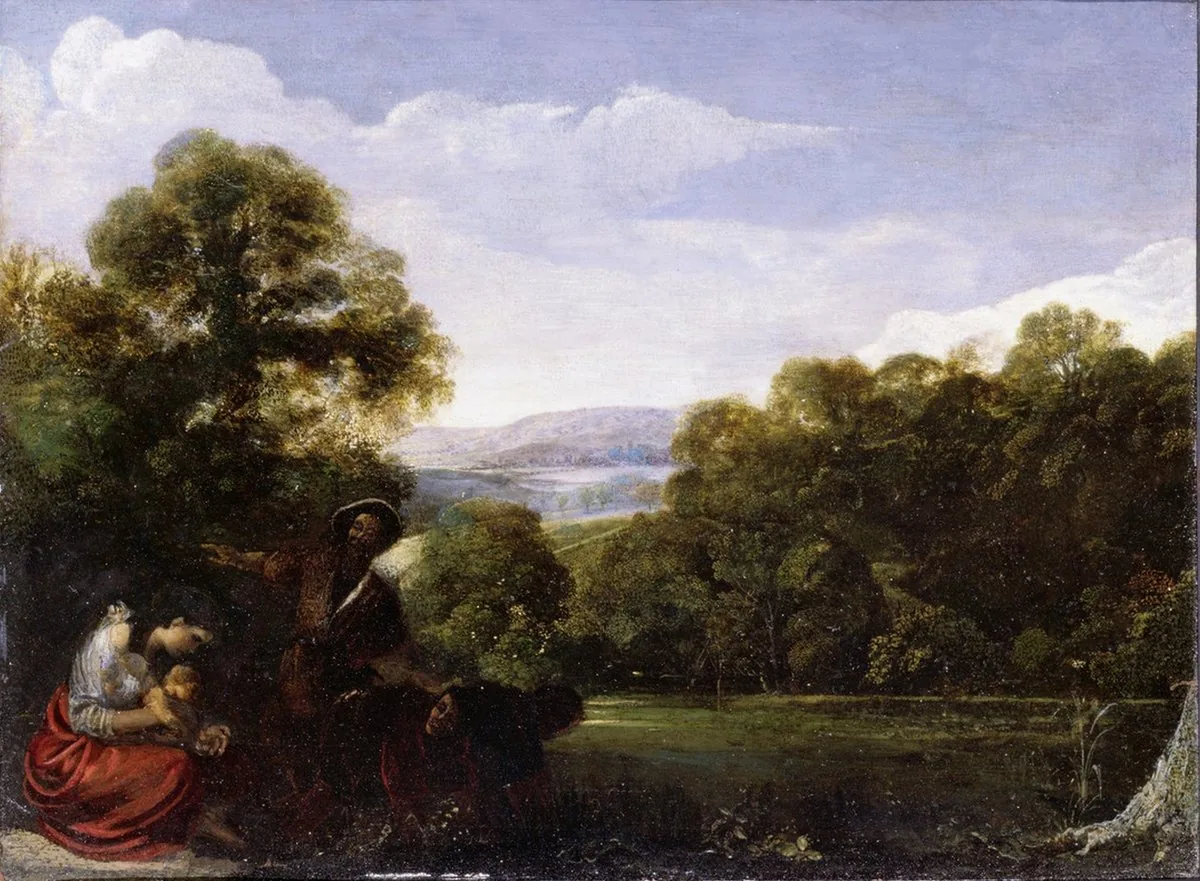
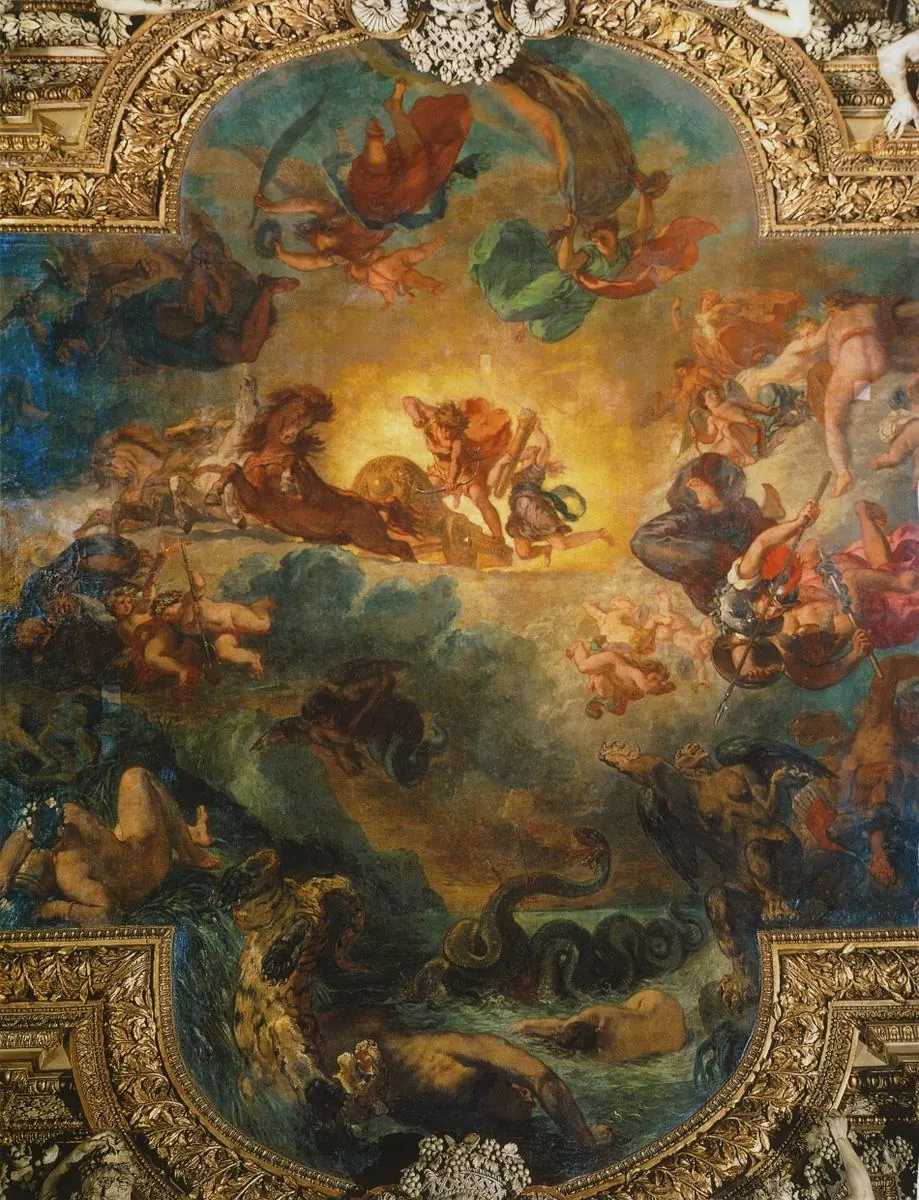
The ode continues to describe Apollo’s bow, lyre and function of announcing divine will, and also praises the parties, games and the songs and dances of the Delian maidens on the island. It recasts the barrenness of place into the qualifications of a sacred center: value comes not just from fertile soil but also from covenant keeping and ritual connections. This article focuses on the poem's Apollonian birth narrative, which does not fully tell the other story of Artemis being born first and helping her mother. If the mother and two children appear in the accompanying picture at the same time, it represents a portrait of a group of gods and is not an item-by-item reconstruction of the childbirth scene in the hymn.