Survival has not brought her home
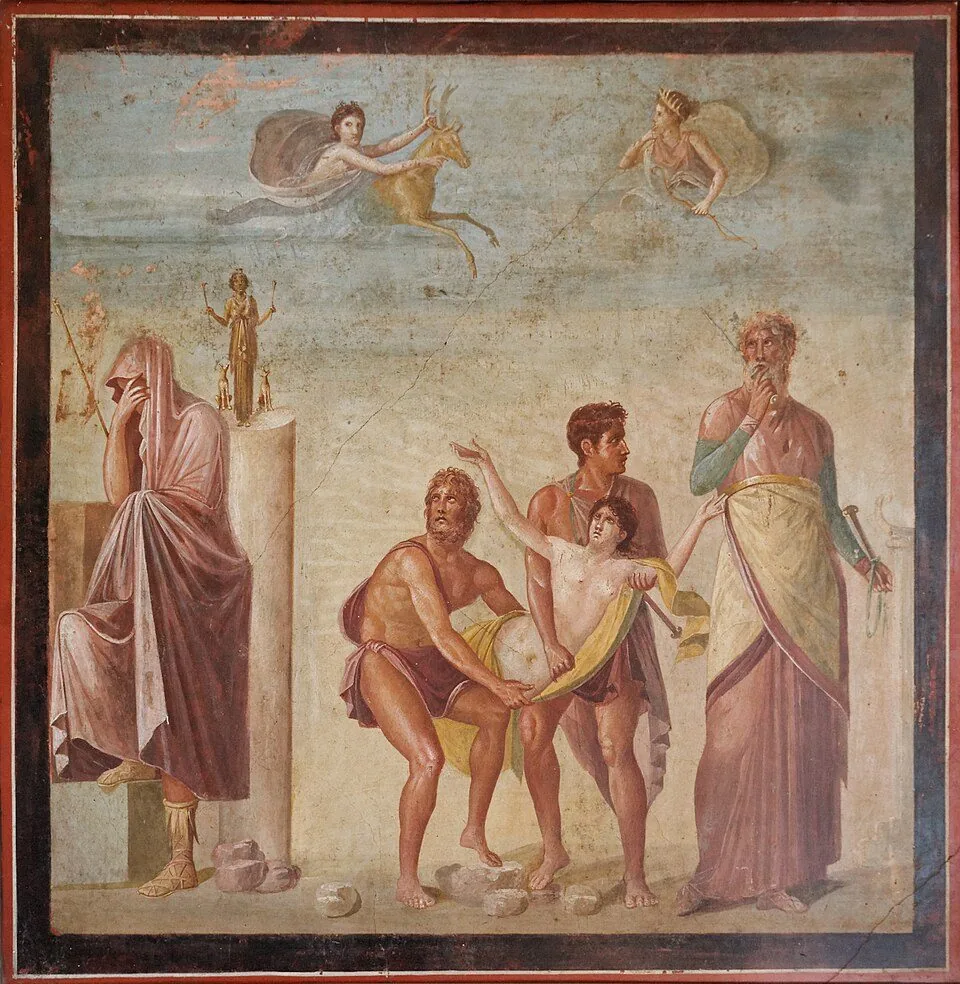
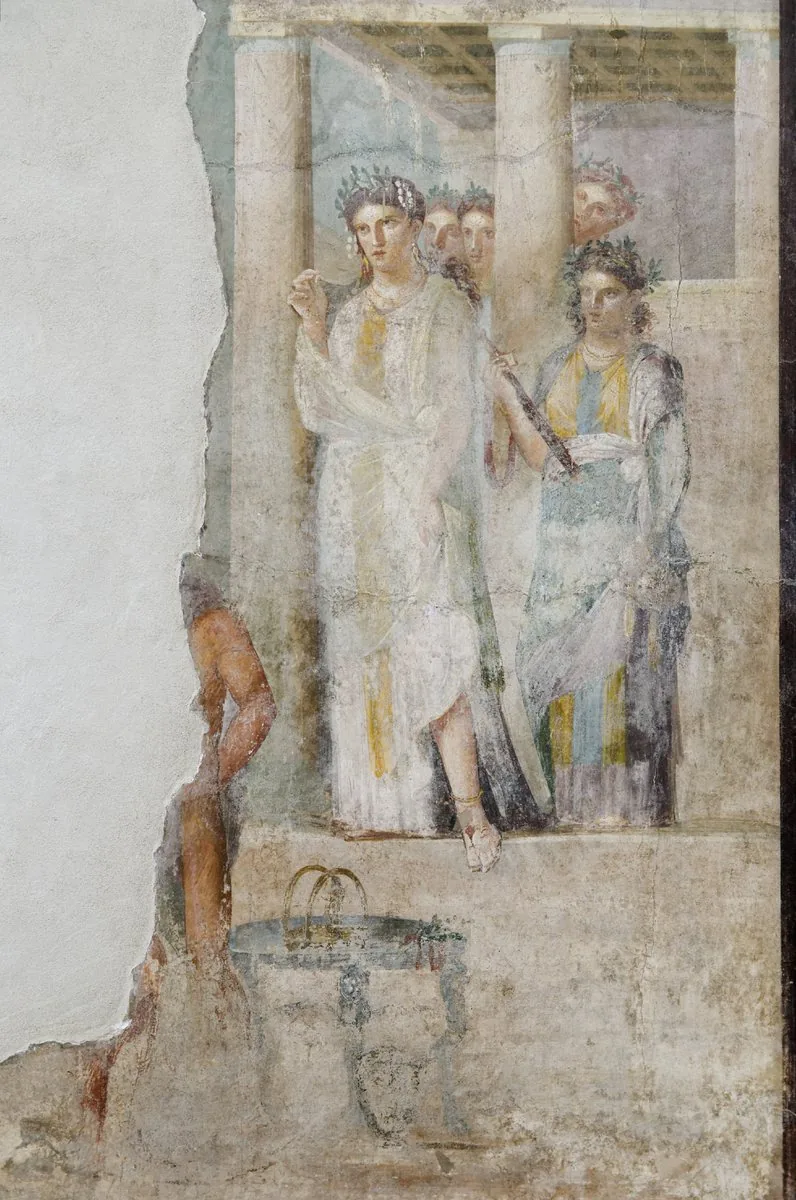
Euripides’ Iphigenia in Tauris follows the tradition in which Artemis rescues the girl at Aulis. Rather than staging that sacrifice again, it asks what follows survival. Iphigenia serves as a priestess among the Taurians, preparing captured Greek strangers for death under the local custom. She begins the rites and sprinkles water; others inside the temple perform the killing. Orestes and Pylades are brought before her. Her brother has come, following Apollo’s command, to obtain the goddess’ image and end his suffering. Neither sibling immediately recognizes the other. A girl once intended as a victim may now participate in her brother’s death. Being alive and being safe are very different conditions in this play.
One letter can initially save only one man
Learning that the visitors come from Argos, Iphigenia offers an exchange: one man may return alive carrying a letter, while the other must remain. A sympathetic captive wrote the message for her; it has waited for somebody able to leave. She wants her family to know she lives and her brother to rescue her. Orestes refuses to purchase his own safety with his friend’s death. He will stay while Pylades carries the letter. Friendship changes the arrangement before family recognition can intervene. Iphigenia worries that somebody out of danger may neglect those left behind, and requires an oath. Their reciprocal promises bind message to body: he must deliver it, and she must enable him to survive to do so.
Words meant to survive a shipwreck arrive first
Pylades raises a practical exception. What if his ship wrecks, the letter sinks, and he alone survives? How should the oath bind him then? Iphigenia speaks the message aloud, making living memory another route alongside writing. She names herself, explains that Artemis substituted a deer for her, and asks Orestes to bring her away. She assumes these words must travel overseas; their intended recipient already stands beside her. Pylades immediately hands Orestes the letter, completing a supposedly distant mission. Her brother leaves it unopened and embraces her first. The voice introduced as protection against the loss of writing actually delivers the news. The letter’s physical journey has become only a few steps long.
Recognition still needs verifiable memories
Iphigenia still needs evidence. A stranger cannot make himself her brother simply by embracing her enthusiastically. Orestes recalls the golden ram and the turning sun she wove into cloth, partly through things Electra has told him. He also describes Pelops’ old spear hanging in her room. These are details an ordinary traveler could not supply casually. Familiar objects connect the adult before her to the child she left in infancy. Recognition therefore moves in two directions. The sister first becomes known through her appeal for help; the brother then establishes his identity through family memories. Kinship includes more than a recognizable face: it also contains a past other people preserve and pass on for us.
Knowing each other is not yet a way out
Recognition prevents the killing of a sibling, but does not open the temple gates. Iphigenia devises a purification. She tells King Thoas that the visitors carry the pollution of matricide, and that they and the image they have touched must be washed at the shore. The ritual authority leading strangers towards an altar now organizes escape. The chorus of captive Greek women promises silence; their companions prepare the ship. Rescue needs many people cooperating. Waves still obstruct the departure, and Athena finally appears, ordering Thoas to abandon pursuit and arranging the return and future rites. Naming one another has not removed every danger. Safety requires action, companions, and divine intervention. A rescuing conclusion also cannot make the deception and family violence they have experienced cease ever to have existed.