The white cow covers the human voice
In Book 1 of Ovid's Metamorphoses, Io's encounter with Zeus results in her being transformed into a cow and subsequently falling into the power of Hera. The human consciousness is still there, but the body cannot speak like it used to. She even needs to let her relatives understand who she is through the writing on the ground. Metamorphosis thus changes not only her visible appearance but also the way she identifies herself, expresses her experiences, and asks for help. A person who knows himself may not be recognized because others only see his body.
The Hundred-Eyed Guard and Hermes
Hera asked Argus to guard the white cow. His many eyes took turns to watch, so that sleep would not easily leave any gaps. Hermes used music and narration to make him relax, and finally killed the guard. The story also links the eyes of Argus to the spots on the peacock's feathers, and is a transformation narrative that explains the origin of the pattern. However, the removal of the guard does not mean that Io's safety will be restored immediately. New chases will follow. Rescue can only solve a certain point and cannot automatically end the battle between stronger forces.
How to connect to distant places while wandering
The gadfly forces Io to continue traveling far, and different literature arranges the journey between many regions. "Prometheus Bound" has her encounter the suffering Prometheus, asking about the future course and when the suffering will end; the Roman Ovid emphasizes that she finally regains her body in Egypt. Such geographical connections have a mythical interpretive function and cannot be restored point by point based on modern tourist maps. The work uses long movements to express the situation of nowhere to stay, and also integrates distant places into a shared story of ancestry.
Still have memories after recovering the body
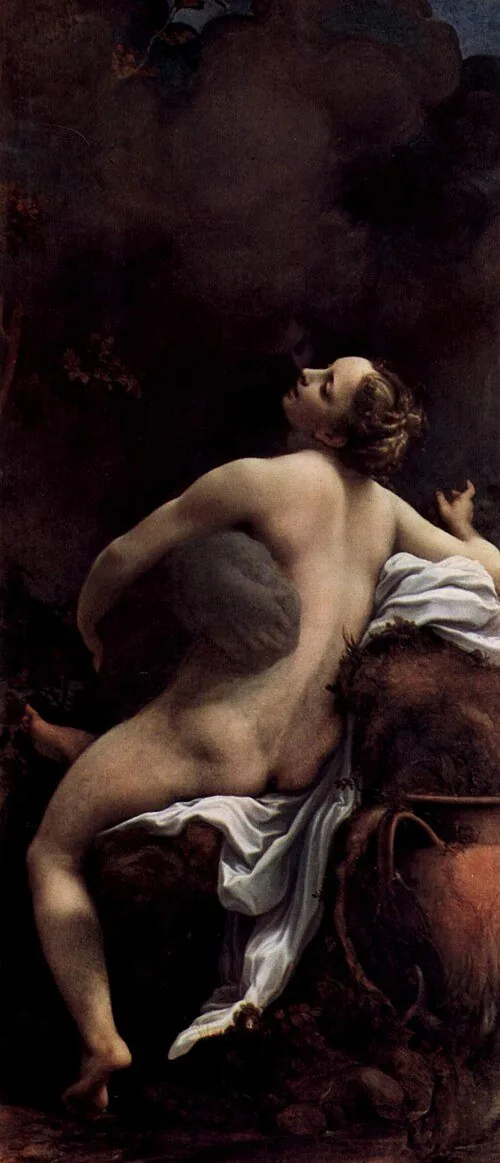
Io is eventually connected to the family line of Epaphus and subsequent generations, and her wanderings thus enter the wider heroic tradition. Later painters often chose the scene where Zeus hides their meeting with clouds and mist, and only showed a short section at the beginning of the story. The accompanying picture should be clear about the moment in which it is depicted, and should not be taken as a direct illustration of a journey or a return to form. When reading the full story, human names, lost speech, and bodies forced to move are all worth retaining; the final sacred genealogy does not allow the horrors that preceded it to disappear from the narrative.