Love’s Arrow Wounds the Goddess
Book 10 of Ovid’s Metamorphoses tells the story of Venus falling in love with Adonis. She was accidentally bruised by Cupid's arrow, and then became obsessed with the young man. She left her usual activities and walked with him in the woods. The goddess advised him to pursue safer prey and stay away from ferocious animals such as lions and wild boars. She tells the story of Atalanta and Hippomenes as a warning, tying the choice of hunt to mortal judgments about gods, desires, and risks.
The goddess's willingness to accompany the hunt does not mean that she approves of all dangerous activities. She tried to find a way between companionship and dissuasion, but the young man still had to make the next choice alone. Death occurred in her absence, putting a distance between the traveling chariot and the voice calling for help. Love can change the goddess’s daily life, but there is no guarantee that she will be there at any time or that all risks will be removed in advance.
A Warning Cannot Replace His Choice
After the goddess rides away, Adonis's hounds find the wild boar. He threw his spear, stabbing his opponent but failing to knock him down. The wild boar caught up with the young man and mortally wounded him. Venus heard the groan and rushed back, still facing the death that had happened. This article adopts Ovid's narrative, and the wild boar is not stated to be the jealous Ares or Apollo; these different versions exist in other works and should be separately explained when comparing.
Brief Flowers Preserve a Memory
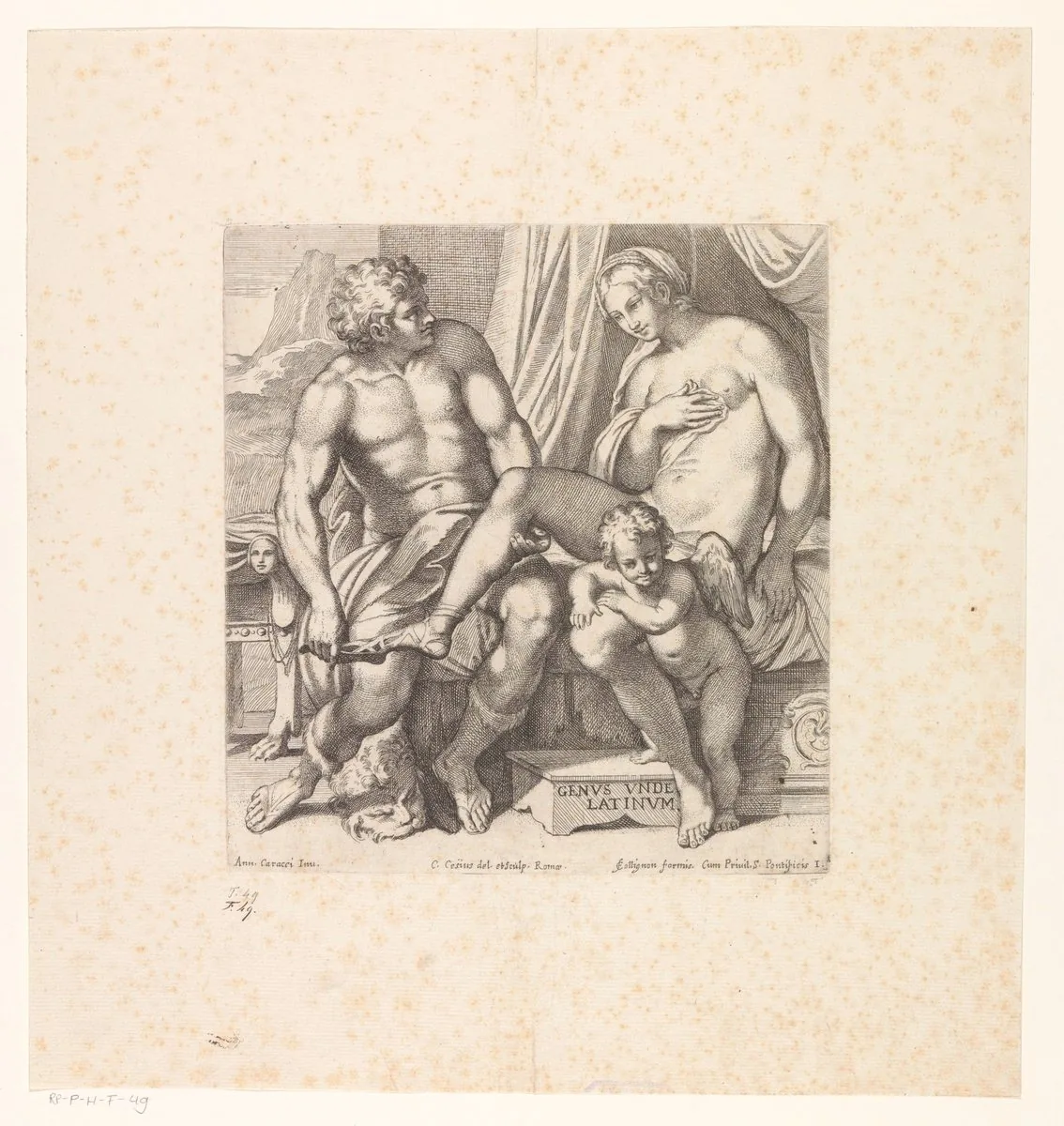
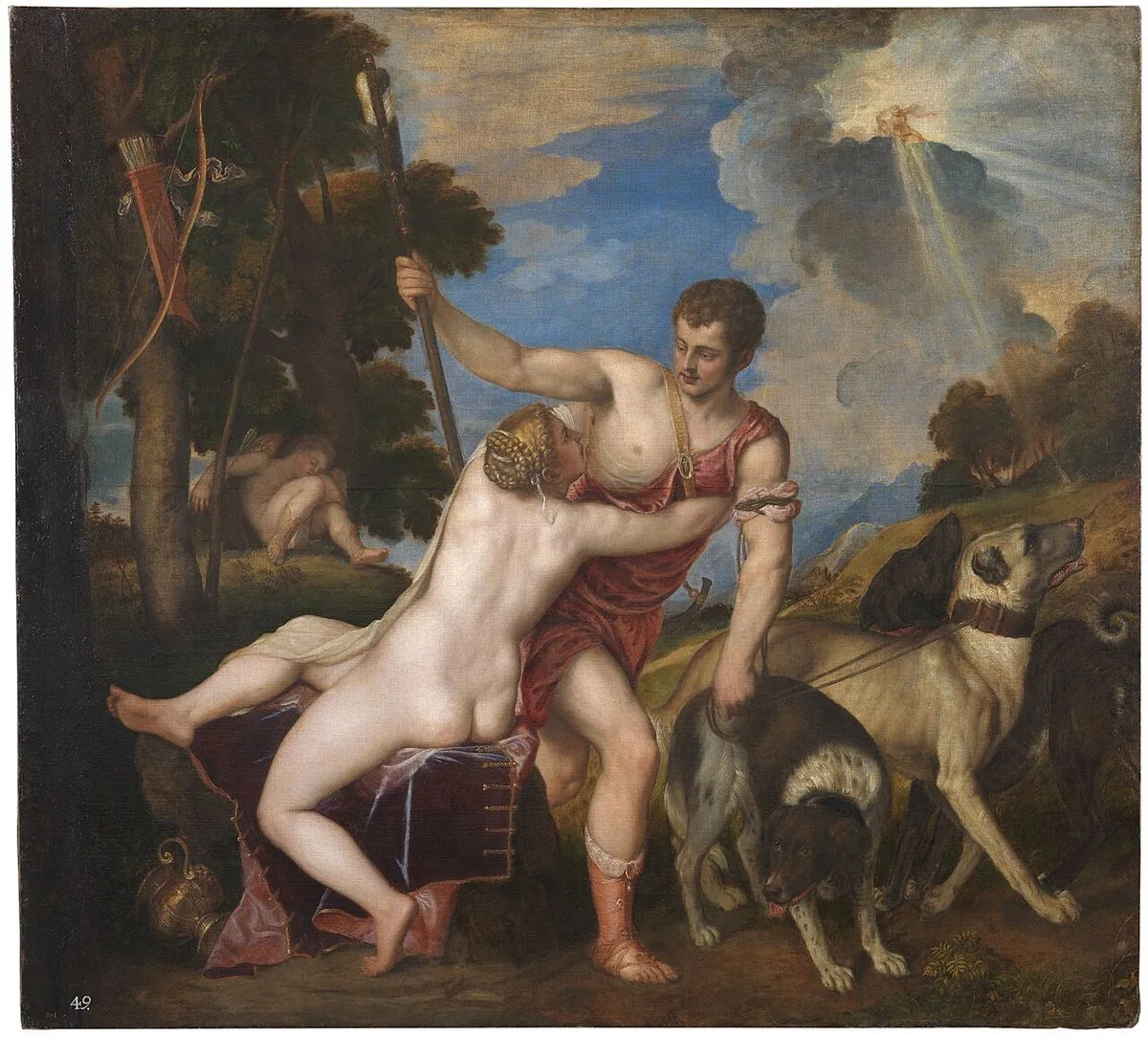
Venus makes mourning a reproducible ritual, and sprinkles nectar on the young man’s blood, causing flowers to bloom from the blood. The poet emphasizes that flowers are easily blown down by the wind, and the fragile form corresponds to the beauty that cannot be preserved for a long time. There is no arrangement in which Adonis lived alternately between Persephone and Venus in fixed months. Painters of later generations often painted goddesses seizing young men who were about to go hunting, putting the knowledge of the outcome in the parting action; the dangers known to the audience were not fully understood by the hunter at the moment, and the retention was therefore filled with unsolvable anxiety.