The Secret Seen by the Sun
In the eighth book of the Odyssey, the singer Demodocus tells the story of Ares and Aphrodite's affair. The sun god Helios discovered the secret meeting between the two and told the goddess's husband Hephaestus the news. The craftsman was hurt, so he went into the workshop to make extremely thin and strong chains, let them surround the bed, and then pretended to be traveling far away. The trap was difficult to see, and Ares's force and swiftness were not enough to counteract this prearranged technique.
The singer performs this story at the Phaeacian court, and as he listens to the song, Odysseus is temporarily diverted from his own suffering to another narrative. The epic of the hero's return home accommodates divine comedy and shows that song has more than just a purpose for celebrating deeds. The breezy narrative of bedroom traps, compensation, and onlookers also illustrates the distance between hurt in family relationships and public laughter.
Who Watches the Captured Lovers?
When the two lovers met, they fell into a net and were unable to move. Hephaestus summoned the gods to watch and demand compensation. The male gods watched and laughed, but the goddesses stayed away because of shame; laughter turned the injury into a public spectacle. Apollo asked Hermes if he was willing to endure the same dilemma, but Hermes said that more chains were acceptable as long as he was with Aphrodite. This exaggerated answer in the song makes the relationship between desire and punishment complicated again.
A Guarantee Secures Their Release
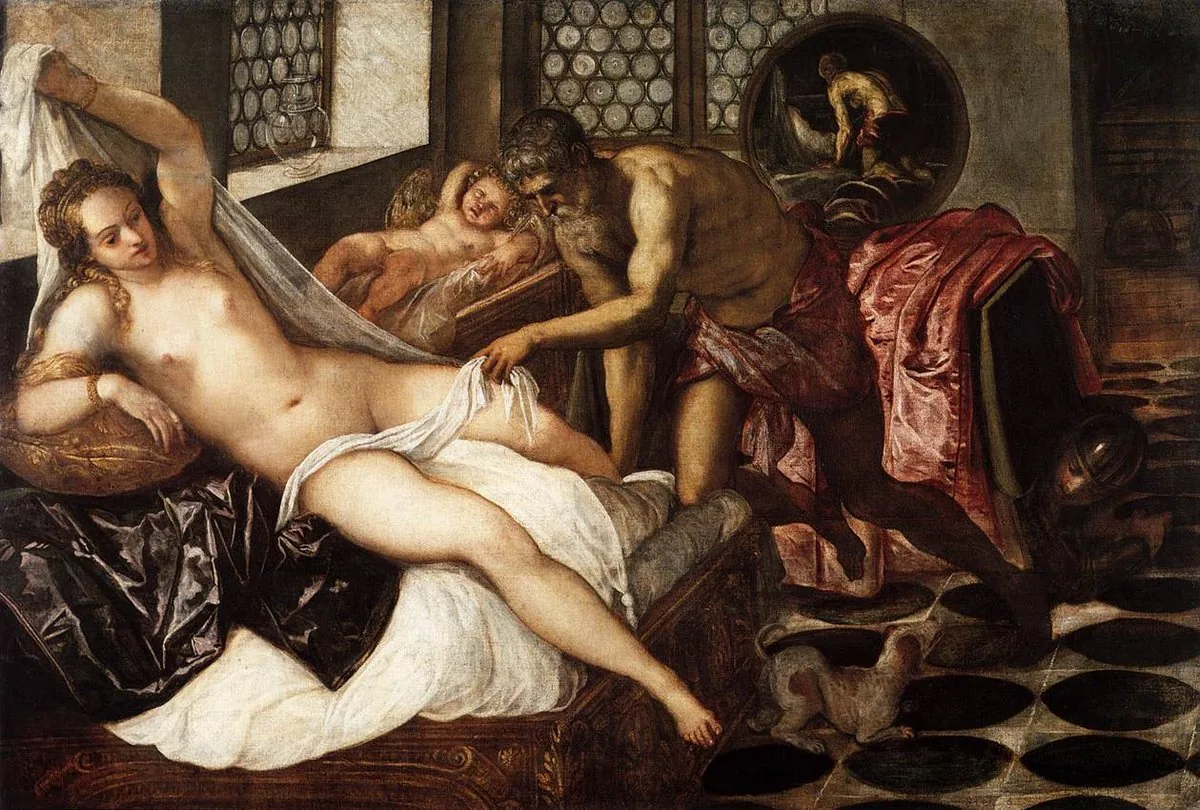
Poseidon did not join the laughter; he asked Hephaestus to release the lovers and personally guaranteed the compensation Ares owed. Hephaestus then untied the chains, and the two gods left. The story is set in a scene where guests are listening to the song, which not only demonstrates the singer's entertainment ability, but also temporarily changes the tense atmosphere of the audience. It does not ask us to unify all mythological marriage relationships; the Iliad also calls Hephaestus's wife Charis. When looking at later interior paintings, one should also note that the artist may have omitted the golden net and adapted the song to include hiding and peeking.