A deity who inspires desire can feel it too
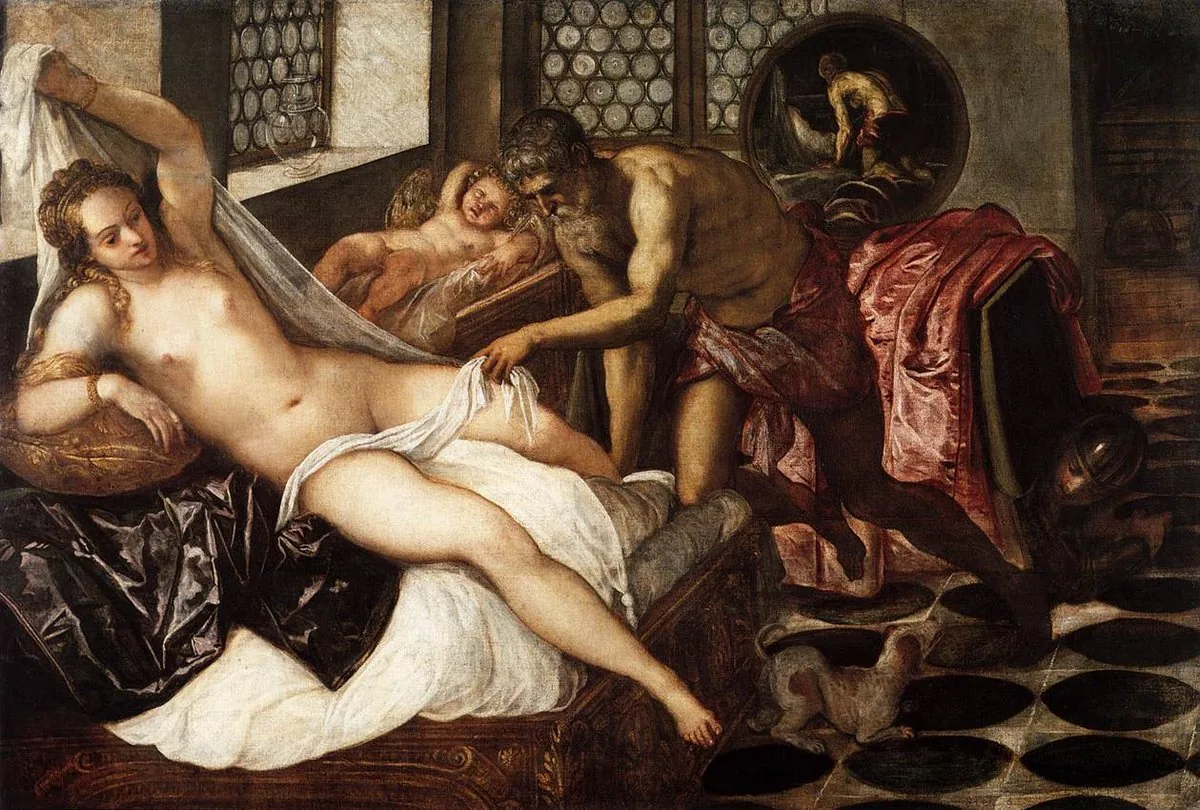
In Homeric Hymn 5, To Aphrodite, Zeus makes the goddess fall in love with the mortal Anchises. She can awaken desire in living beings, but cannot always stand outside it in this encounter. The difference between divine and mortal identities also brings fear, concealment, and future consequences into their closeness. The story is not a ranking of successful romantic abilities, and attraction cannot simply be equated with mutual understanding. A strong feeling does not automatically give both people the same information. After being moved, they still need to recognize the person before them.
Celebration's power also demands recognition
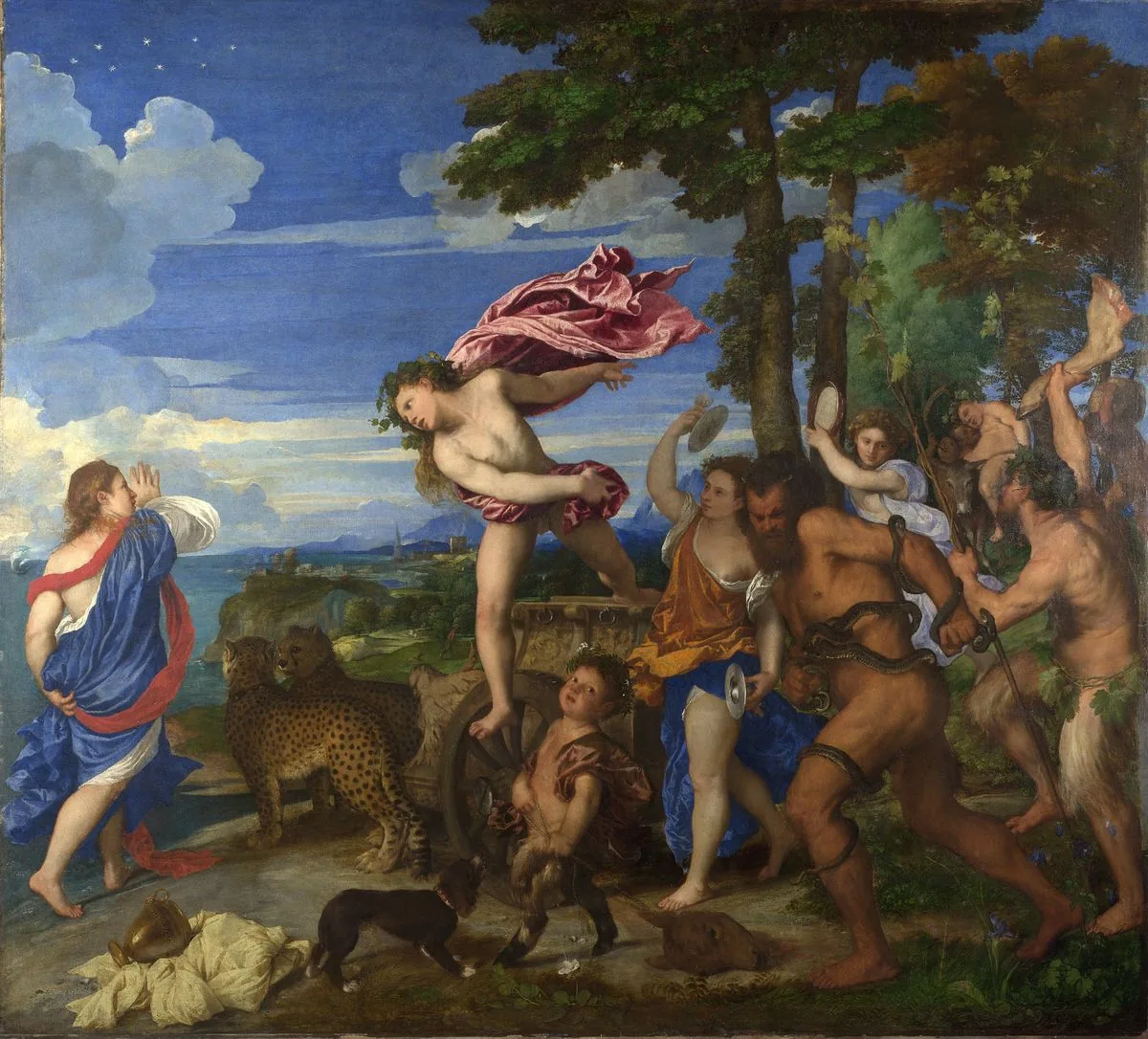
The Homeric Hymn to Dionysus places the wine god on a ship controlled by pirates. The sailors see only a young man who can be exchanged for wealth, while the helmsman senses that their captive may be a god. The vines and transformations that follow overturn their earlier judgment. The wine god's new experiences are not always safe or pleasant: a desire for control that treats another person merely as an object encounters a power it cannot control. This scene differs from Aphrodite's encounter, but both show that surface impressions cannot determine the nature of a relationship.
Shared life does not mean shared loss of judgment
In Euripides's Bacchae, the god's appearance is also bound to deception, death, and belated recognition. The play has a different dramatic purpose from the shorter pirate hymn; they cannot be assembled into a complete record of one successful festival. Taking part in a shared experience can bring joy and belonging, but it can also amplify pressure and blind spots. We need not regard all intensity as dangerous, or assume that releasing restrictions automatically produces freedom. Emotion can change distance, while understanding and responsibility remain tasks for the participants.
Keep clarity within closeness
If you enjoy Aphrodite's attraction or the wine god's vitality, use them as openings for observing relationships, rather than roles you must perform. Are you being heard, do others want to join, and what consequences need attention after the excitement ends? These are more concrete questions than the strength of someone's charm. Ancient myths do not contain a modern social handbook, but they let us appreciate joy while recognizing its costs. Closeness can change life, and acknowledging those who do not want to participate, as well as what we do not know, can give that change a more dependable space.