The audience hears a divine plan first
Euripides opens Hippolytus by placing the audience somewhere the characters cannot stand. Aphrodite explains her revenge against a young man who dismisses her while particularly honouring Artemis. She has made his stepmother Phaedra desire him and intends his father Theseus to destroy him with a curse. Foreknowledge does not make the following scenes easy to watch. We know the danger while the household sees a woman refusing food, unable to explain her suffering. The goddess describes her own retaliatory design; that description should not become a moral verdict that the people she harms deserve their injuries. The play establishes a distance between possessing knowledge and being able to act. Our attention therefore moves between the story we have been told and the partial explanations available to people trying to live inside it.
Care crosses a requested boundary
Phaedra wants her desire concealed. Once her nurse learns the secret, she discloses it to Hippolytus against Phaedra’s wishes, first binding him to secrecy by an oath. Trying to save someone she cares for, she decides what may be told and to whom. Hippolytus refuses angrily and delivers a vicious speech against women generally. Those words belong to him, rather than supplying truths readers must accept. He also has not committed the act later alleged against him. Acknowledging his harmful speech and acknowledging that he is falsely accused are compatible. Keeping that distinction allows sympathy without turning him into a perfect person, or making his faults an excuse for what is done to him.
Writing speaks but cannot answer questions
Phaedra dies by suicide, leaving a letter accusing Hippolytus of violating her. Theseus returns and reads the tablet in her hand. Before his son arrives to defend himself, he asks Poseidon to use a promised gift to kill him. He then treats the dead woman’s inability to speak as a reason to trust the accusation especially strongly. Hippolytus denies the crime without revealing the sworn secret and asks for time to establish the facts before banishment. Writing lets an absent person speak while a living person struggles to be heard. The question is how Theseus converts an untested charge into irreversible action. This cannot become a general rule of suspicion towards people seeking help: our knowledge of this particular falsehood depends on the play’s particular preceding scenes.
Disaster does not establish a verdict
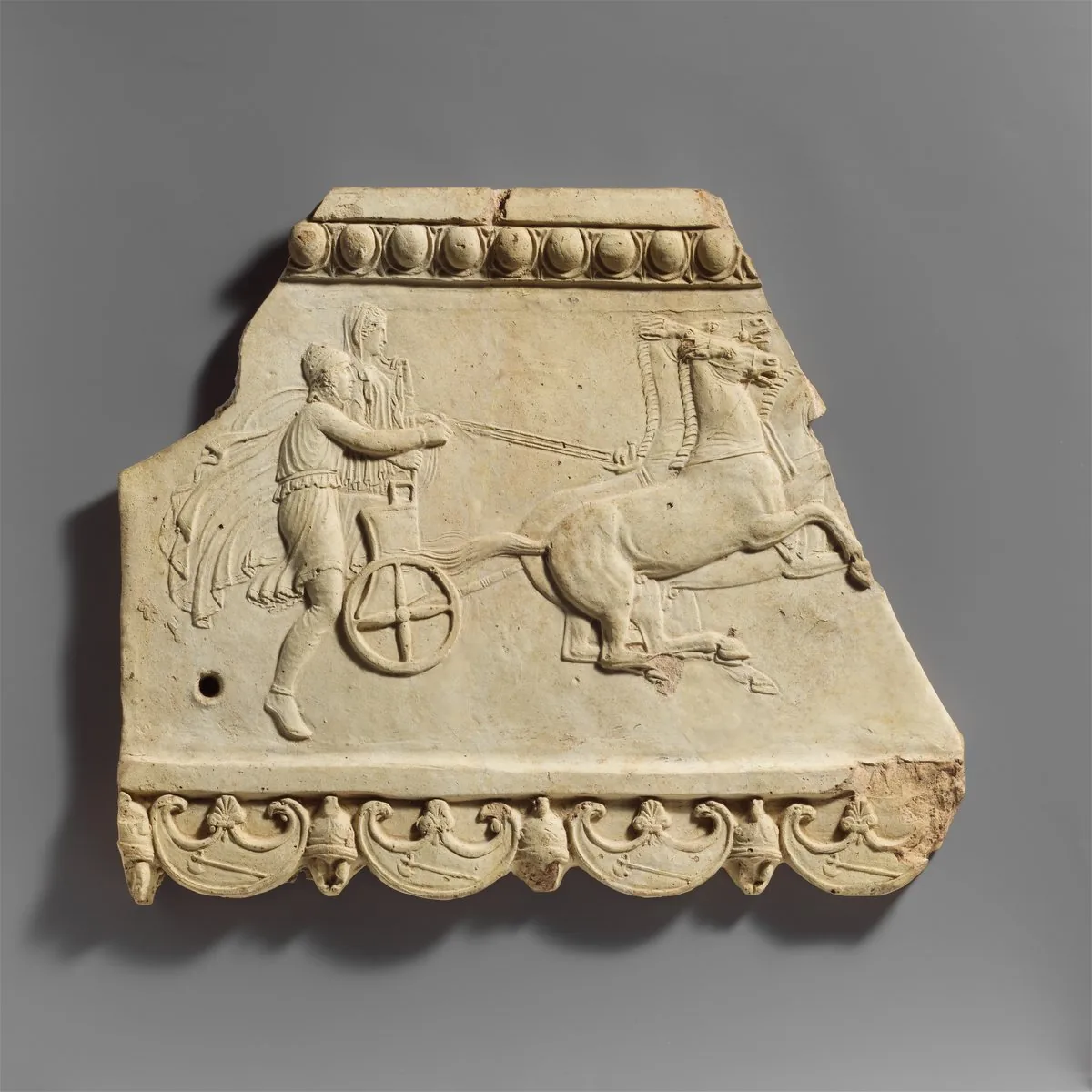
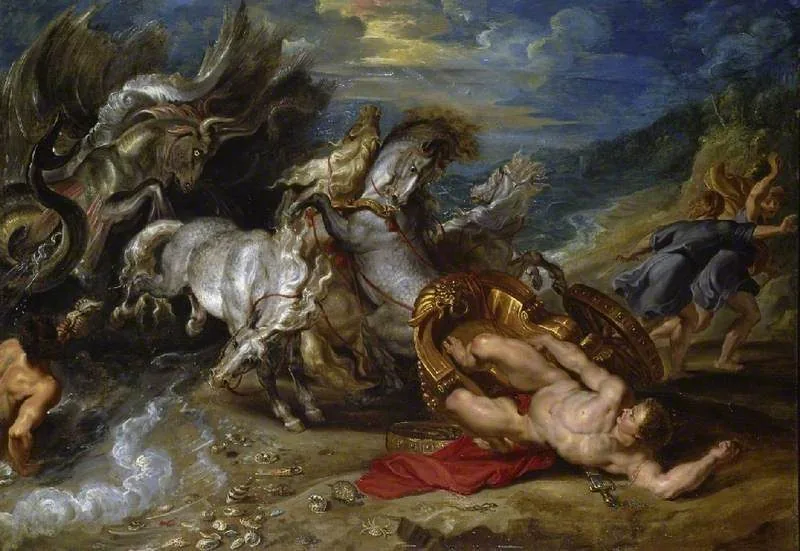
A messenger reports a bull emerging from the sea, terrified horses, a wrecked chariot and Hippolytus fatally dragged. Theseus initially takes the catastrophe as confirmation of his judgment; we know that a power he requested has acted. An answered prayer does not establish an accusation. The Library’s Epitome 1.18–19 supplies a different sequence: Phaedra herself makes the approach and accusation, then dies after Hippolytus’s death and the disclosure of her desire. This is another account, not a missing scene from Euripides. Keeping the sequences distinct shows why the dead writer’s tablet has a special force in the play. Theseus cannot question her, yet still determines what will happen to his son.
A restored name is not a restored life
Artemis finally explains the truth and rebukes Theseus’s haste without inquiry. She promises commemorative rites and retaliation against Aphrodite’s favourite mortal, unnamed and not killed within the play. She departs before Hippolytus dies; father and son reconcile, but he is not revived. Ovid’s Metamorphoses 15 opens another path, letting him describe a physician-god restoring his life and Diana concealing him under the name Virbius. That Roman narrative cannot cancel the tragedy’s ending. For readers, the painful distance remains between clarification and repair. A name can be understood differently while the injury already inflicted refuses to run backwards. Finally becoming willing to listen cannot return the time previously withheld. The promised hair offerings and songs preserve memory rather than undoing death. Remembering the earlier silence makes that distinction sharper: commemoration gives a future audience a story, but does not give this household its previous life.