The relationship she chooses
The fifth Homeric Hymn names Hestia as the daughter of Cronus and says that both Poseidon and Apollo seek to marry her. She refuses marriage, touches Zeus’ head, and swears to remain a virgin. Zeus therefore grants her another honor: she dwells at the center of the house and receives an important share in the rites of mortals and gods. Quietness does not mean a lack of choice. The hymn begins with her explicit refusal before explaining the position she accepts.
A banquet has clear boundaries, from the first cup to the last. Hestia’s place at both ends gives the time people spend together a shared marker. Her centrality therefore need not be expressed by occupying the largest part of an image. Repeated rites let us imagine her presence: each welcome, stay, and farewell shows how a household sustains its relationships.
A share at the beginning and the end
The twenty-ninth Homeric Hymn connects Hestia with feasting and says that wine is poured for her at both the beginning and the end; it also invites Hermes to accompany her into the house. Hymn 24 connects her with Apollo’s temple at Pytho. These brief scenes give the hearth a significance beyond private cooking: a household welcomes guests, rites connect different gods, and the house establishes an enduring order. Her presence often emerges through repeated actions rather than dramatic transformations that draw attention.
Why an abdication story is unnecessary
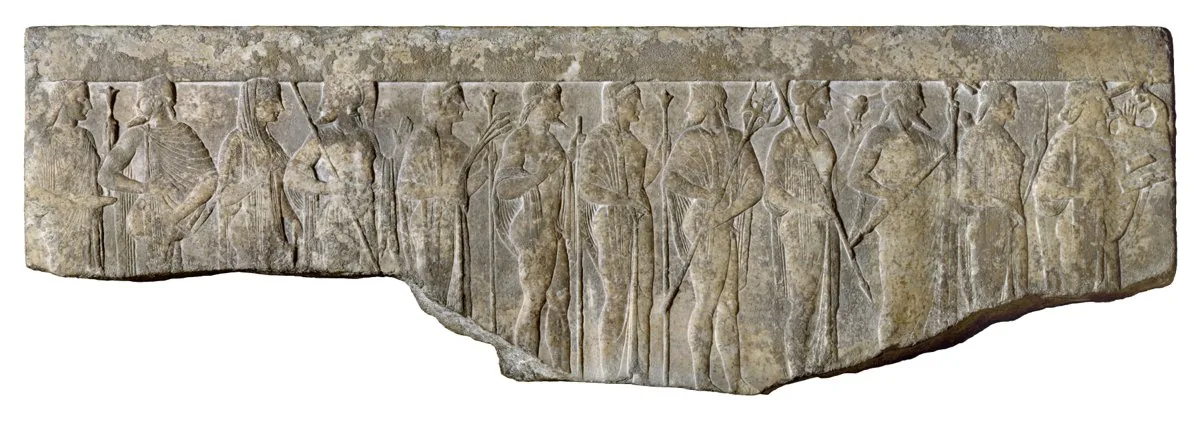
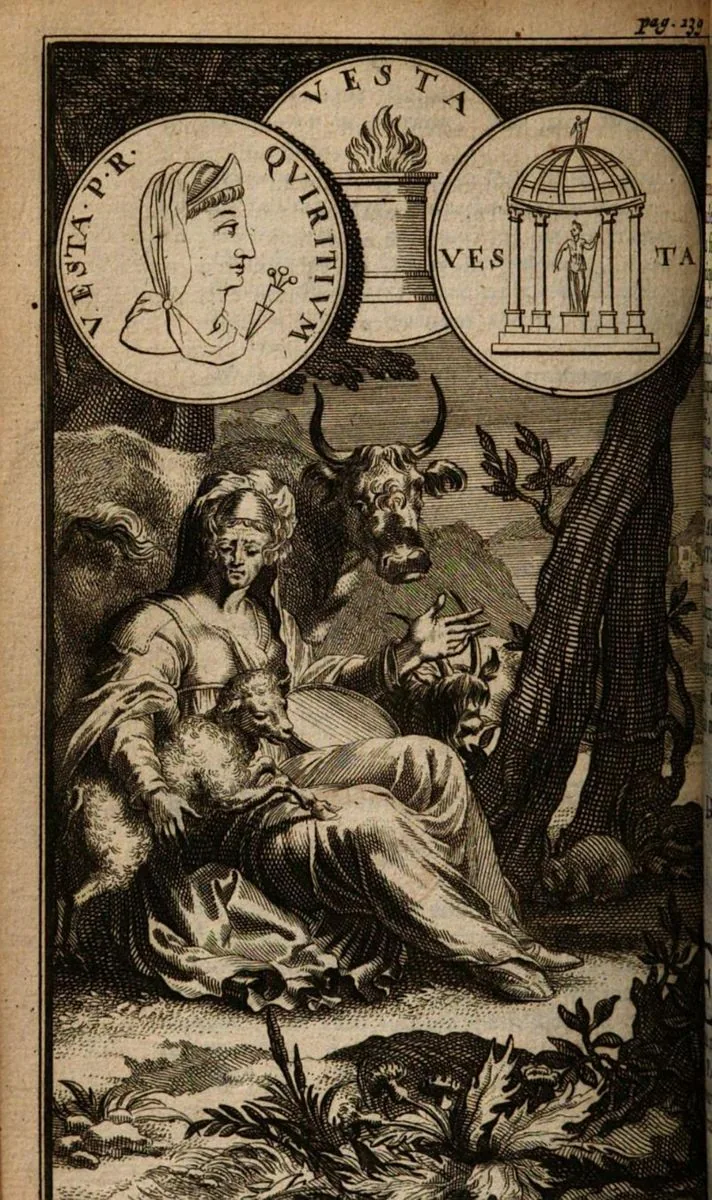
Lists of the twelve gods vary by region and work, and Hestia and Dionysus appear in different arrangements. A popular modern story has Hestia voluntarily give up her seat, but the difference between lists does not establish that such an event occurs in these hymns. When reading about her, consider who can stay in the home, who welcomes visitors, and how shared life begins and ends. Roman Vesta and Greek Hestia can be compared, but the Roman priesthood represents a different set of practices from those described in these Greek hymns.