A caregiver can refuse to keep providing
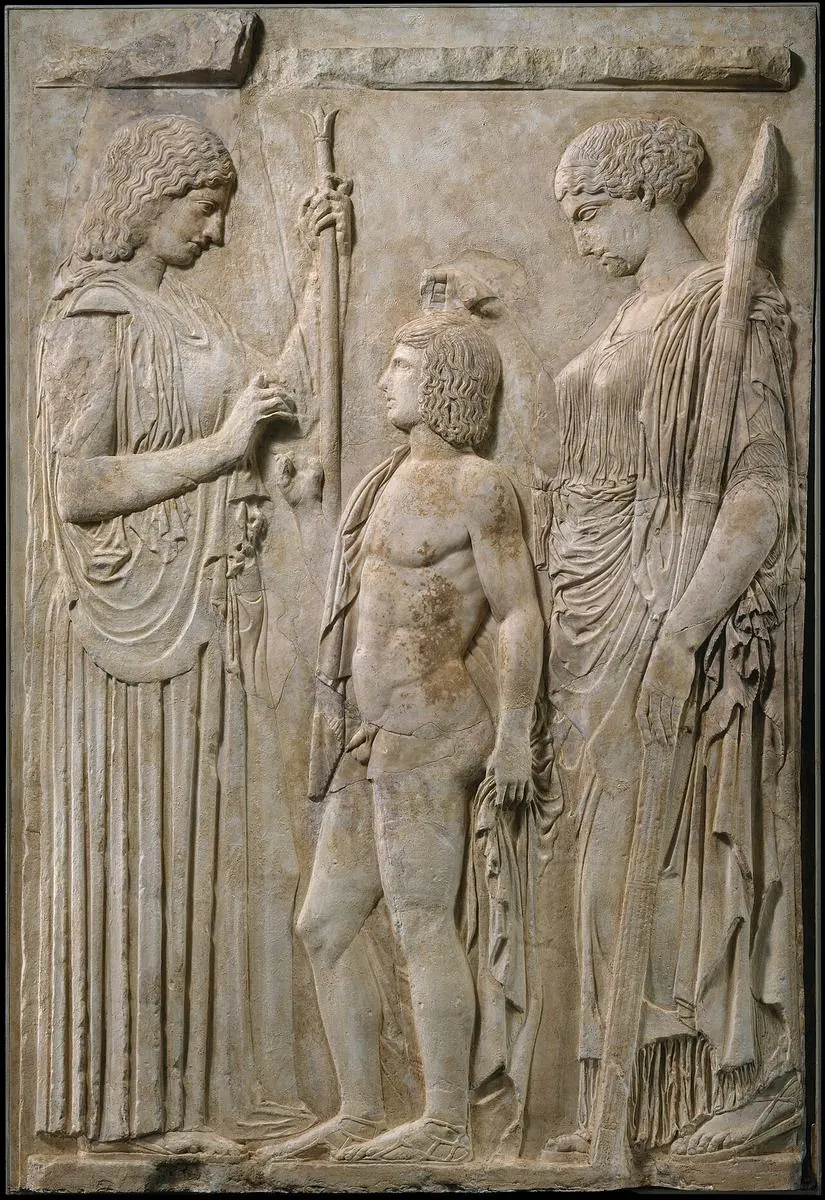
In the Homeric Hymn to Demeter, the goddess stops the earth from growing after losing her daughter, making both humans and gods face the consequences. She is not a mother who only gives patiently; her anger makes an ignored loss into something that must receive an answer. This cannot directly supply a rule for modern families, and divine power greatly exceeds mortal capacities. Nevertheless, the story shows that a provider for the world has needs of her own. Understanding care as endless silence and uninterrupted giving misses the power that drives the hymn's negotiation.
A central place can be chosen
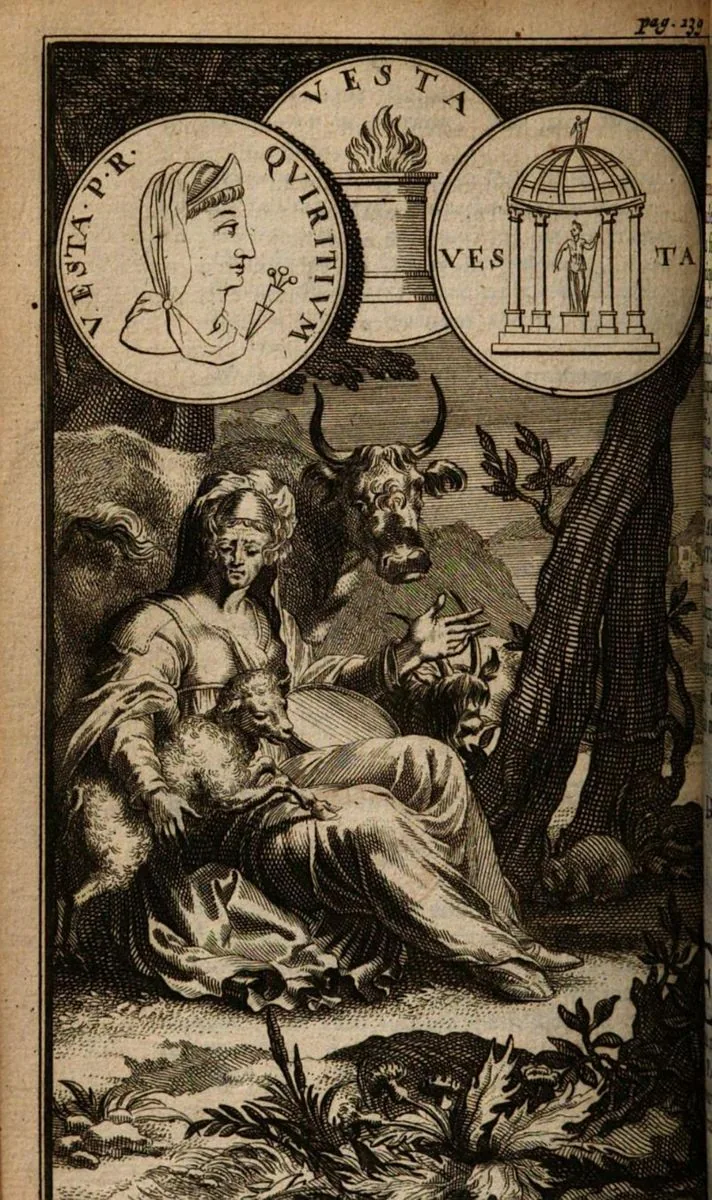
In Homeric Hymn 5, To Aphrodite, Hestia refuses marriage and receives honor at the center of the house and in sacrifice. Hymn 29 also places her at the first and last libations of a banquet. Remaining beside the hearth is thus more than passive immobility: it is an arrangement of sacred position. Plato's Phaedrus likewise leaves her in the gods' dwelling during the heavenly procession, without implying that she lacks ability. Participation in family and communal life can come through a recognized duty, rather than an adventure in which one always sets off first.
Maintaining daily life is also action
Demeter's seeds and Hestia's fire make visible conditions of life that are easily taken for granted. Food must grow, a meal must be organized, and someone returning needs a place to stay. Images from poetry, hymns, and philosophy do not form one ancient list of domestic tasks, nor can they be combined into fixed assignments for everyone. Reading them together reveals work often hidden by a story's climax: maintaining life may not immediately defeat a monster, but it allows many people to go on living, acting, and returning.
Care needs a place for both sides
Admiring these goddesses does not mean that you should meet everyone's needs, or that care must be carried out by a particular gender. More useful questions ask who is giving, who can speak about loss, and who has the right to decide how to participate. Demeter's protest and Hestia's choice make care more than a gentle feeling: it involves respect, arrangements, and boundaries. You can then reconsider everyday commitments, preserving the ability to care for others while also leaving yourself a place to be understood and to rest.