After the World Is Submerged
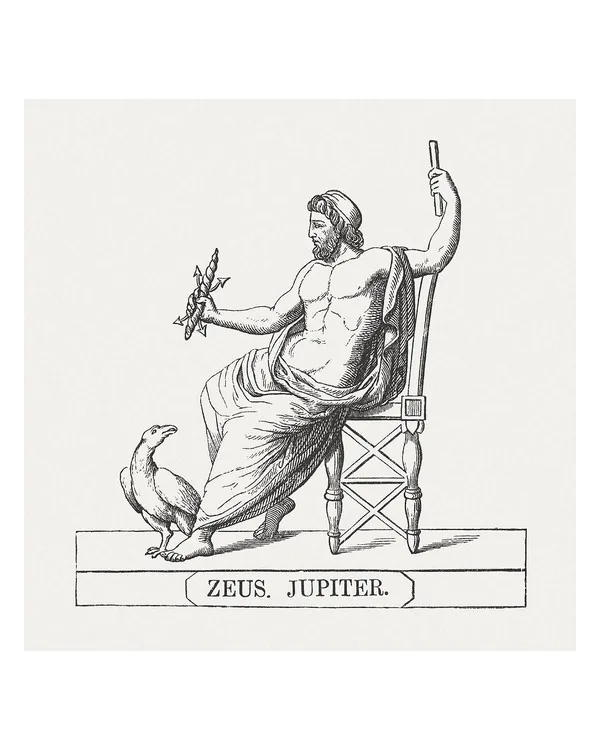
This article uses the Roman retelling of Book 1 of Ovid’s Metamorphoses. Jupiter decided to send floods because of human atrocities, and the sea and rivers swallowed up fields, houses, and roads. Deucalion and his wife Pyrrha were taken to Mount Parnassus by boat and became survivors after the disaster; they were written as godly and kind people. The first thing the two faced was not building a kingdom, but the empty world in front of them, and the loneliness of having no companions.
The difficulty with the oracle is that it borrows the language of kinship and body, but requires the listener to step away from these literal meanings. The two survivors first worried about moral offense before trying to explain, but were not immediately given clear instructions. The post-disaster world thus needs not only bodies and companions, but also understandings that can reconnect old languages to the things around them.
What Are the Mother’s Bones?
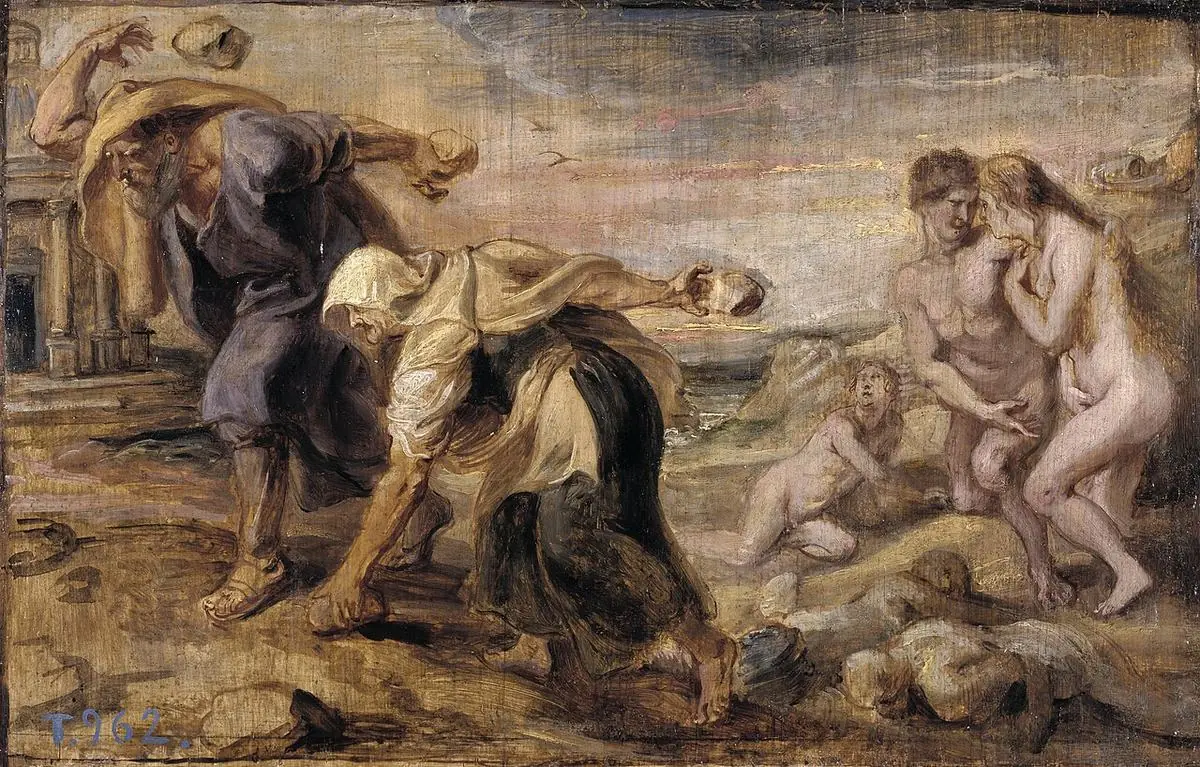
The couple prayed to Themis for help. The goddess asked them to cover their heads, loosen their belts, and throw the bones of the Great Mother behind them. Pyrrha was scared at first, it sounded like she was going to offend her mother's remains. Deucalion came to understand the sentence as a metaphor: the earth is the common mother, and the stones are her bones. The two then picked up stones and threw them behind them. Those thrown by Deucalion turned into men, and those thrown by Pyrrha turned into women. A new group emerged from the hard material.
Keeping Different Flood Stories Separate
Ovid allowed the stone to gradually soften, like a rough statue slowly forming a body, and used this to explain the characteristics of human beings that can endure toil. Re-creating humanity requires interpretation as well as the couple’s cooperation. Different Flood traditions are often compared together, but this does not necessarily add pairs of animals or a large ark to the story. Pseudo-Apollodorus recorded details such as the wooden box, the nine-day drift, and the sacrifice, but the order and the source of the oracle were also different. Choose a version to see how this Roman poem connects disaster, language and change.