Before the gods
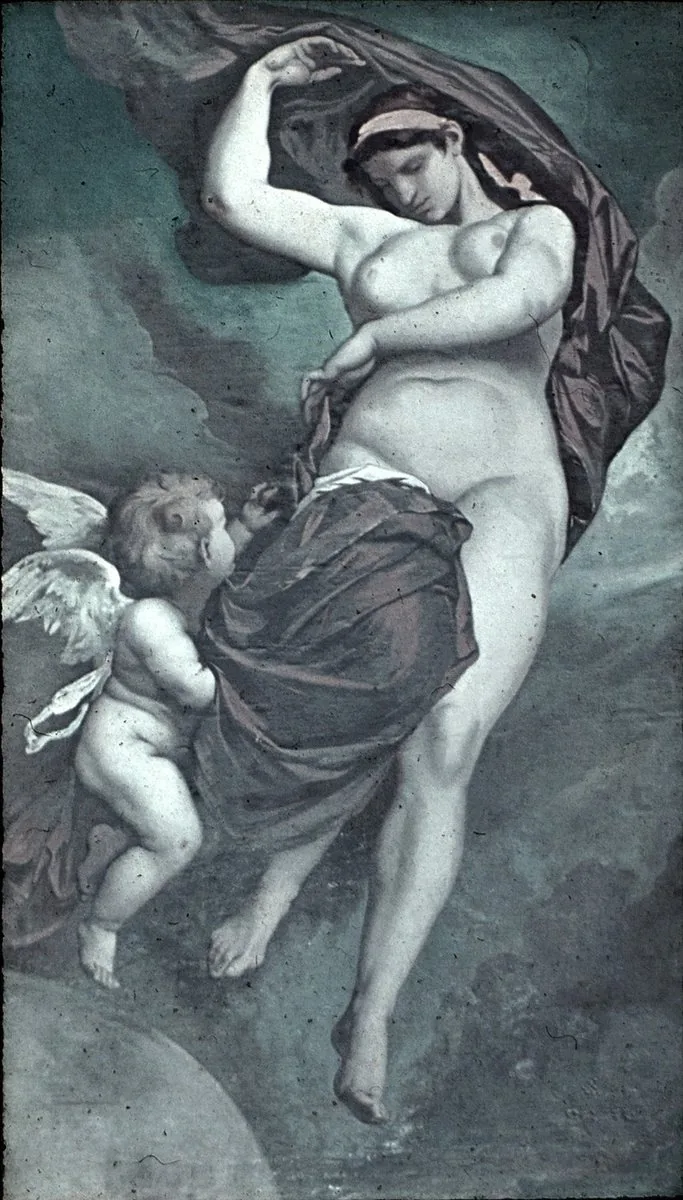
Hesiod’s Theogony begins with Chaos, followed by Gaia, Tartarus and Eros. This world is not a finished object made by a craftsman in a single act. It unfolds through relationships as divine beings are born. Gaia brings forth Uranus, the mountains and the sea, giving earth and sky their recognizable outlines.
Conflict between earth and sky
The children of Gaia and Uranus include the Titans, Cyclopes and Hundred-Handers. Uranus suppresses his children, prompting Gaia to resist. Cronus answers his mother’s call and ends his father’s rule. Birth and power pull against one another: new life expands the world while threatening its established order.
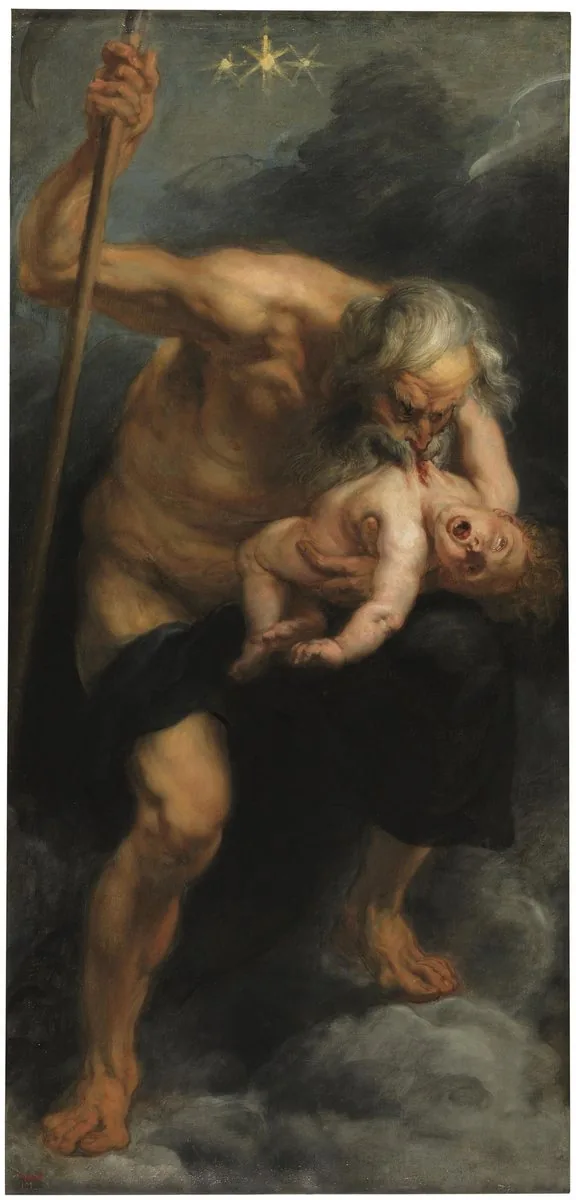
Once on the throne, Cronus also fears the next generation. He swallows Rhea’s children to prevent a prophecy from coming true. Rhea hides Zeus and substitutes a stone wrapped in swaddling clothes. Another change of divine rule begins here: the future his father tried to destroy continues to grow.
A new generation takes power
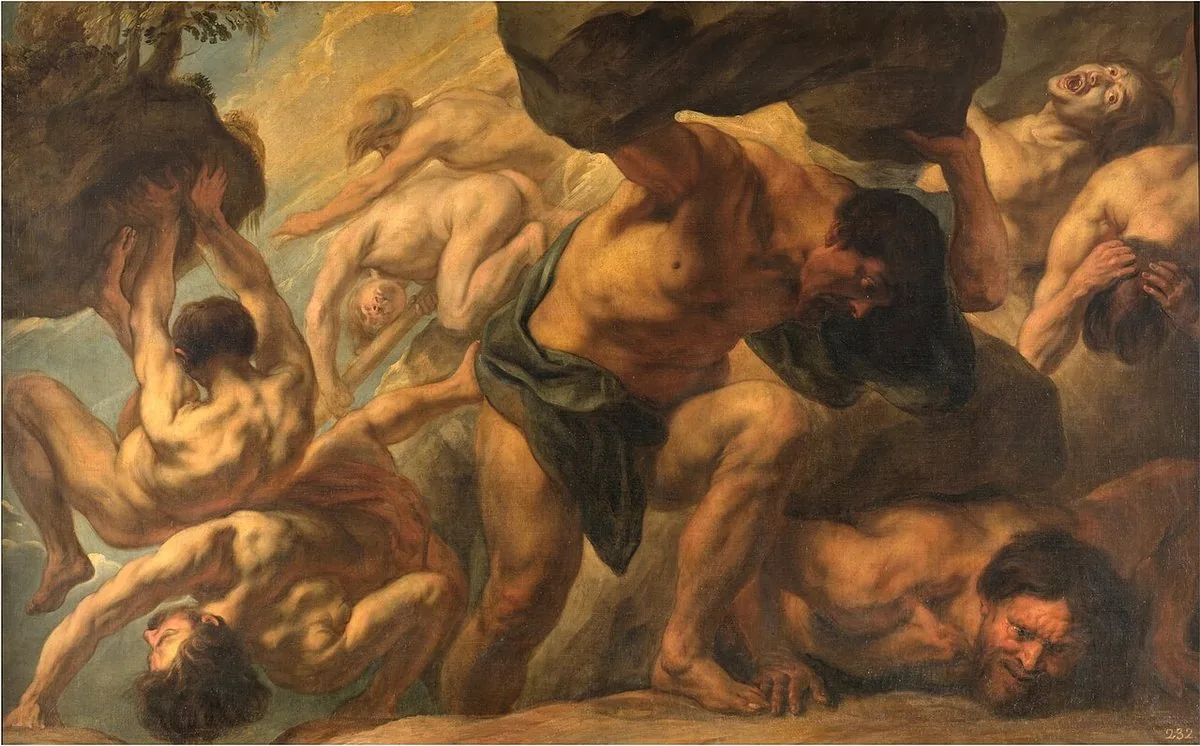
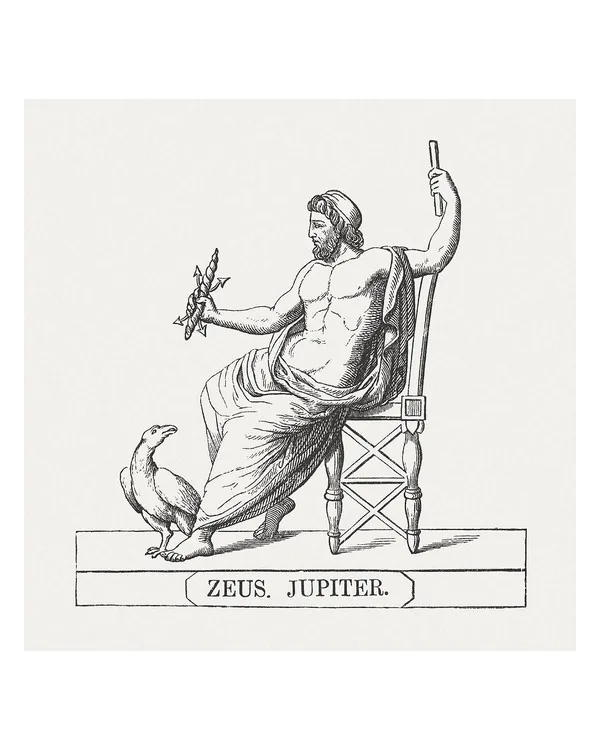
Zeus frees his siblings and fights the Titans with his allies. The Cyclopes supply thunderbolts, and the Hundred-Handers join the battle. Victory depends on the help of those he has liberated, rather than on a solitary hero’s miraculous strength. Zeus then distributes honors and functions among the gods, establishing a divine community of distinct roles.
A divine genealogy, not the only answer
This is one reading of the Theogony, rather than a creation creed shared by every ancient Greek. Later writers and local traditions alter divine origins and details. Distinguish “this work says so” from “every version says so.” Cronus, the Titan, should also be distinguished from Chronos, the personification of time, despite their similar names.