Earth Gives Birth to Sky
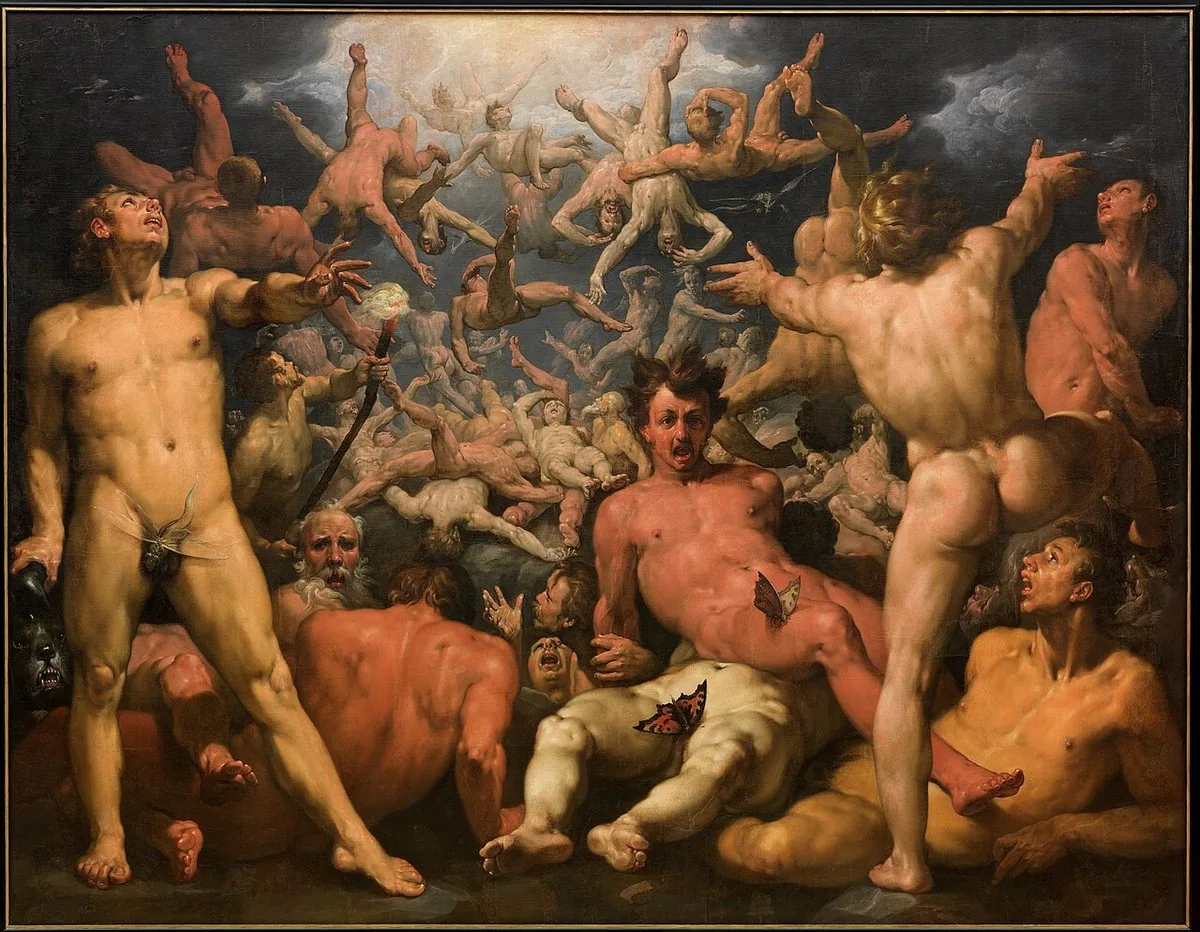
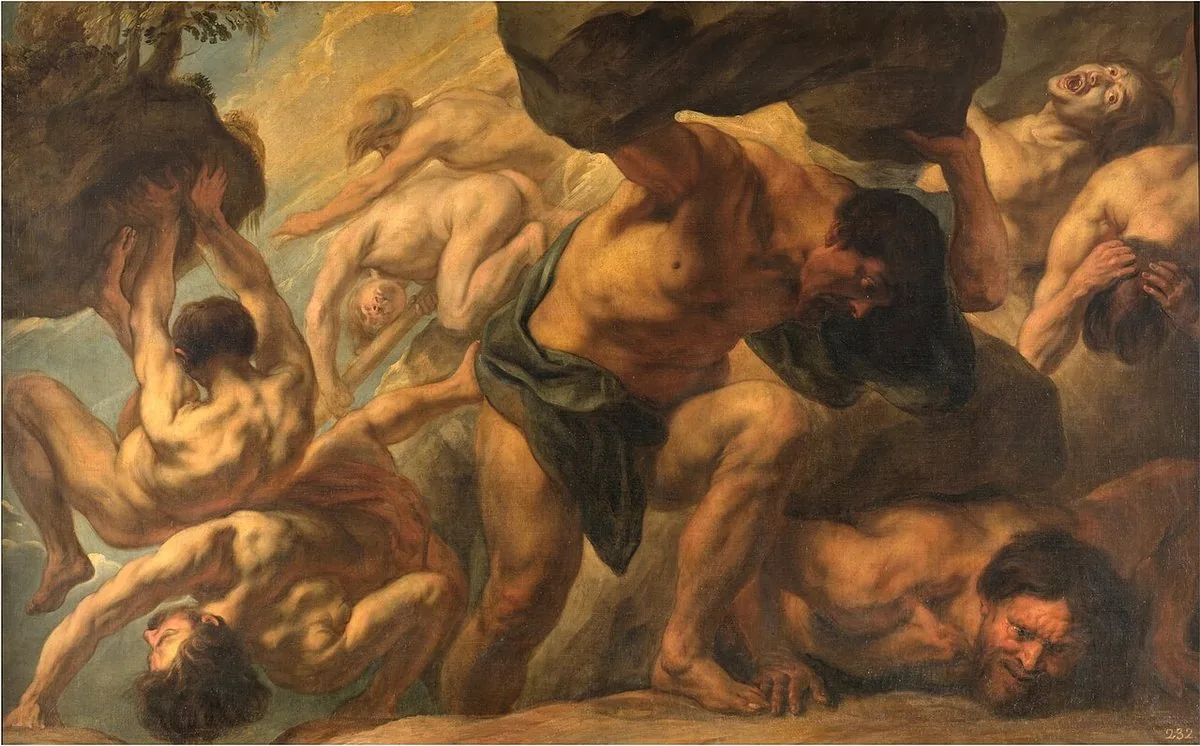
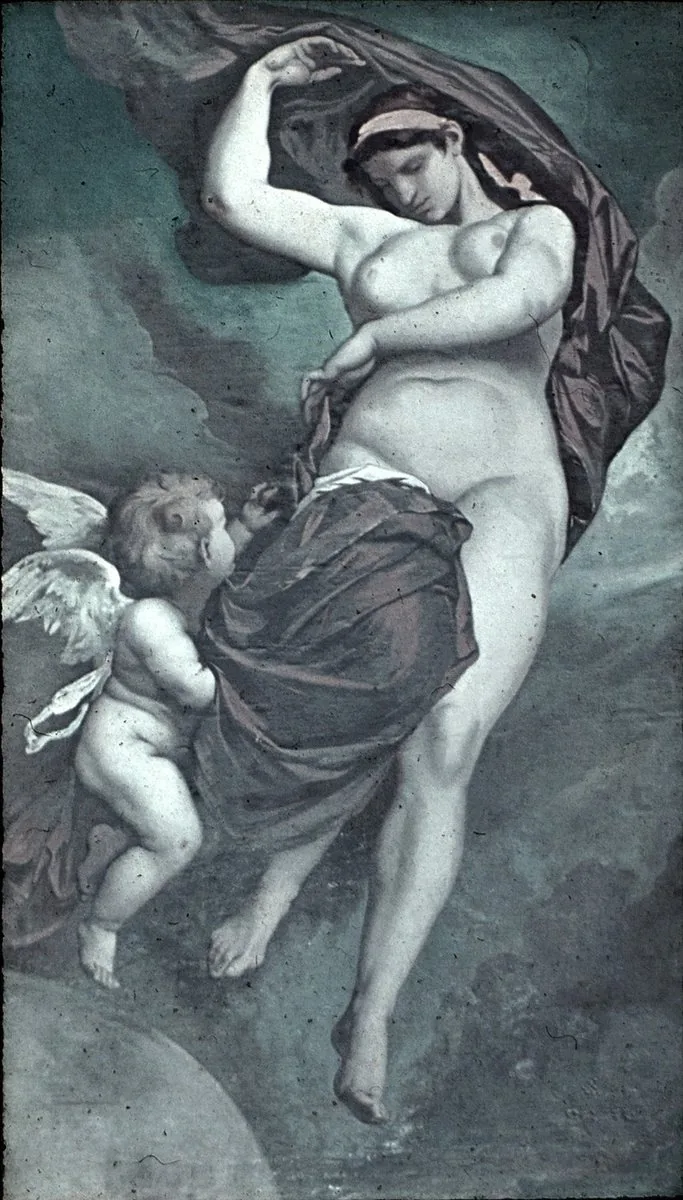
Hesiod’s Theogony lists Gaia as one of the first beings to appear. She first gave birth to Uranus, who was as vast as herself, so that the starry sky covered the earth and gave the gods a place to live; mountains and oceans then appeared. This narrative does not treat the world as an artifact made by craftsmen, but describes the universe in terms of birth, kinship, and the body. After the union of heaven and earth, Titans, Cyclopes and Hundred-Handers formed the early gods, so Gaia was both space and mother.
Gaia will both help Cronus and support the rise of Zeus; she is not a fixed member of a certain camp. Using the earth as mother allows poetry to place fertility, accommodation and pain in the same being. If readers only remember the movement of the scythe, they will easily miss the real reason why the conflict begins: new life is not allowed to take its place, and the oppression of the body is ultimately transformed into political resistance.
The Children Kept in Darkness
Uranus hated his children and hid them deep within Gaia's body, preventing them from entering the light. In her pain, Gaia forged a strong sickle and proposed to the sons a plan to rebel against their father. Only the youngest Cronus agreed to act. When the sky was close to the earth again, he took action from his ambush and made his father incapable of reproduction. The blood fell to the earth and gave birth to the Furies, giants and ash nymphs; the severed genitals thrown into the sea were connected to the birth of Aphrodite.
The Cost of Cosmic Order
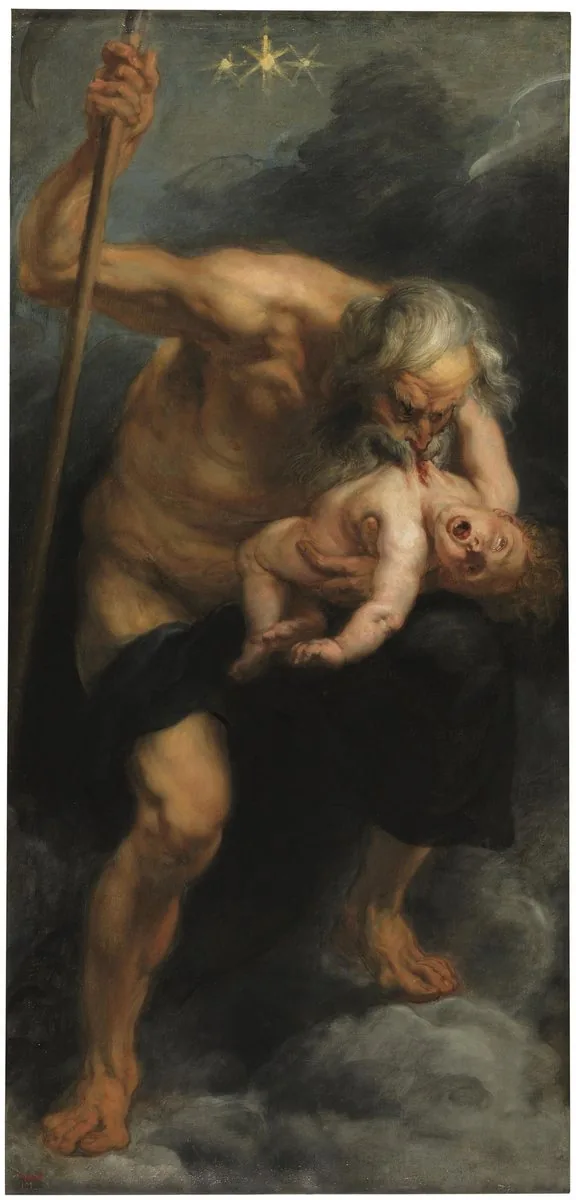
Resistance here does not end violence in the divine realm. After Cronus overthrew his father, he would also fear the next generation and later swallow his own children. Reading this story, one can notice two opposite actions: the father prevents birth, and the mother helps life gain space. The new order comes from the damage of the old body, so creation and destruction are inseparable. This article follows the order of "Theogony"; the later the Library will arrange the places of imprisonment and participants in the war differently, and cannot combine all the details of the two into one chronicle.