From Peace to a Brief Adulthood
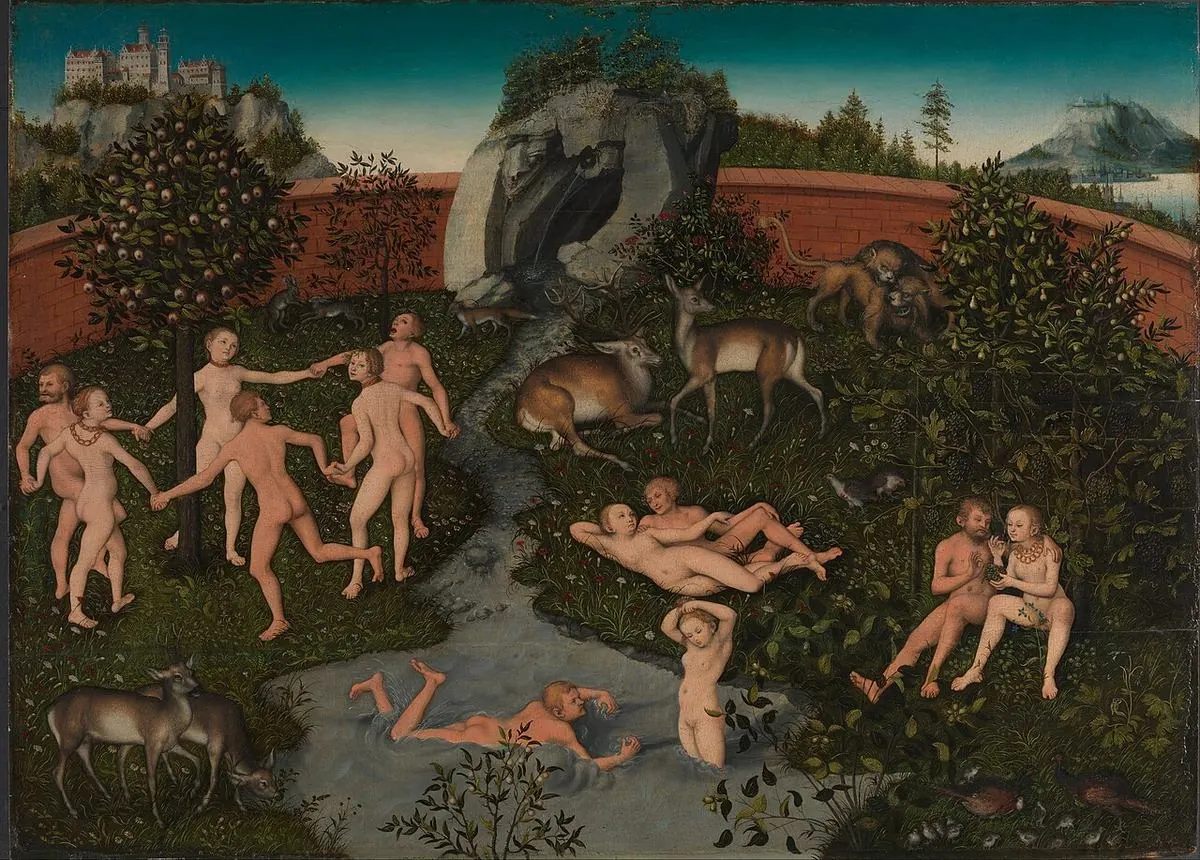
Works and Days tells the story of five generations, not the four metal eras of common generalization. The golden generation lived under the rule of Cronus and did not have to work hard. The earth automatically provided harvests and death was similar to sleep. However, the Silver Generation stayed in childhood for a long time. Their adult life was short and lacked the order of godliness, and they were eventually destroyed by Zeus. The names of precious metals here suggest value differences, but do not indicate that people's bodies are actually made of gold and silver.
The differences between generations also continue after death: the poet gives different positions and commemorative methods to different groups, connecting the short life with belonging after death. In this way, era names not only rank the past, but also express current judgments about godliness, violence, and labor. We can continue to ask why heroes can receive higher evaluations from here, without simply regarding them as exceptions to the era.
The Heroes Interrupt the Decline
The Bronze Generation was strong and warlike. Their weapons, homes, and tools were all connected to bronze, and fighting with each other led to their destruction. The next generation of heroes was called by poets more just and better. Some of them died in the wars at Thebes and Troy, and some were placed on the Isles of the Blessed. The insertion of heroes interrupts the straight line from good to bad and also reserves a place for epic characters. The time of myth therefore involves judgment and memory, and is not a chronology with item-by-item correspondence using archaeological materials.
The Poet’s Age of Iron
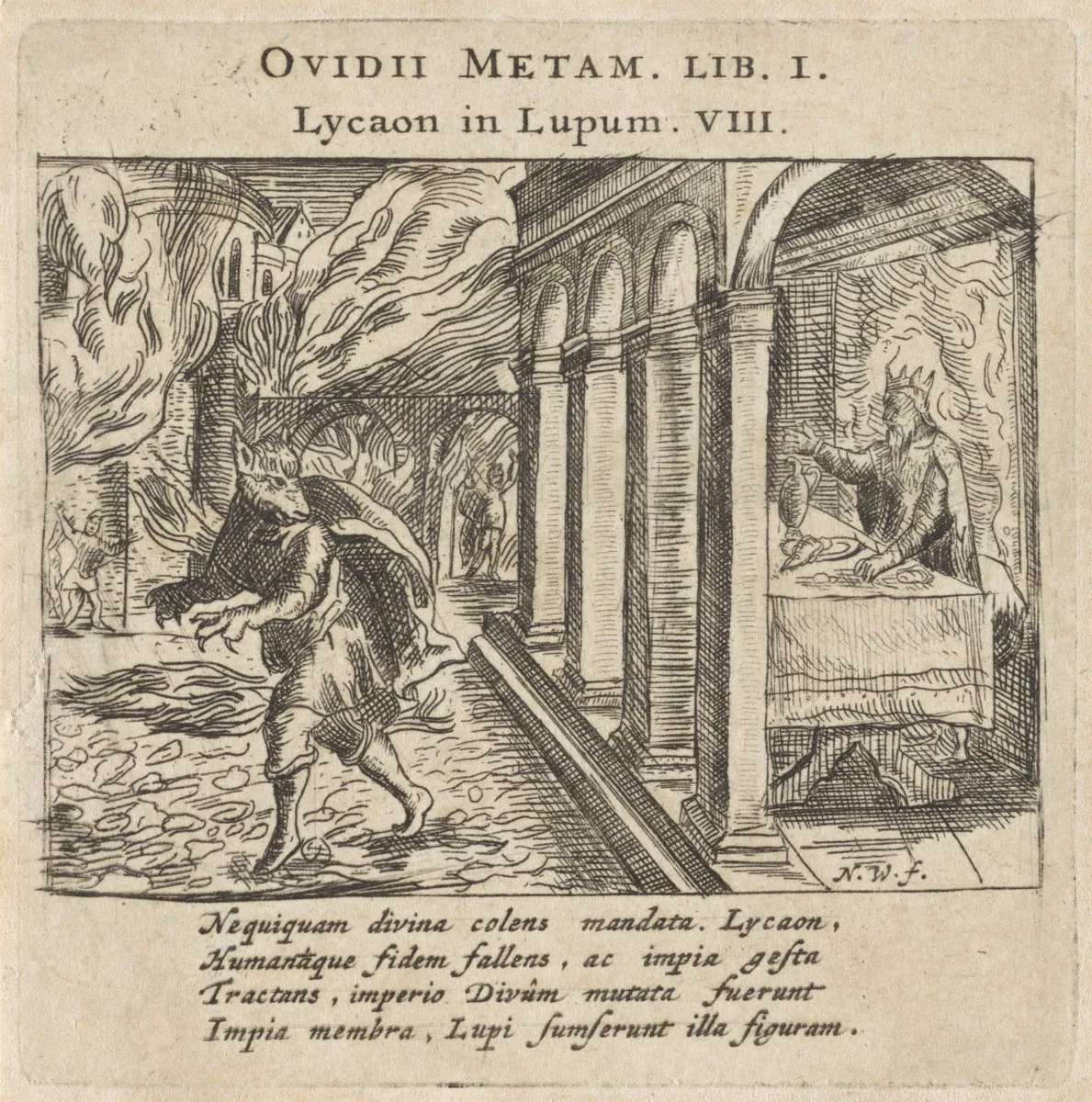
Hesiod believed that he lived in an iron generation: working hard during the day, worrying at night, and the relationships between relatives, guests, and oaths were constantly damaged. However, he still urges justice, restraint, and industry to his brother, indicating that the purpose of the narrative is not just to reminisce about the past. The Metal Generation leaves readers asking where the deterioration of life manifests itself: beyond poverty, there is also the destruction of trust and shared rules. Ovid’s later Metamorphoses presents four metal ages, omitting the heroic generation; this important distinction should be retained when reading the two poets.