Knowledge from Chiron to Achilles
In Book 11 of Homer's "Iliad", the injured Eurypylus asked Patroclus to treat him with medicine, saying that this knowledge came from Achilles, and Achilles learned it from Chiron. The teacher did not visit the Trojan battlefield in person, but the methods he taught continued to help others through his students. This teaching relationship extends the hero's ability from holding a spear and running to removing arrows, cleaning wounds, and stopping bleeding. The poem does not describe the classroom, but traces the origin of healing knowledge through the injured person's request for help. Where the world of heroes inflicts wounds everywhere, Chiron's knowledge juxtaposes care with the ability to inflict harm.
Different students enter different paths
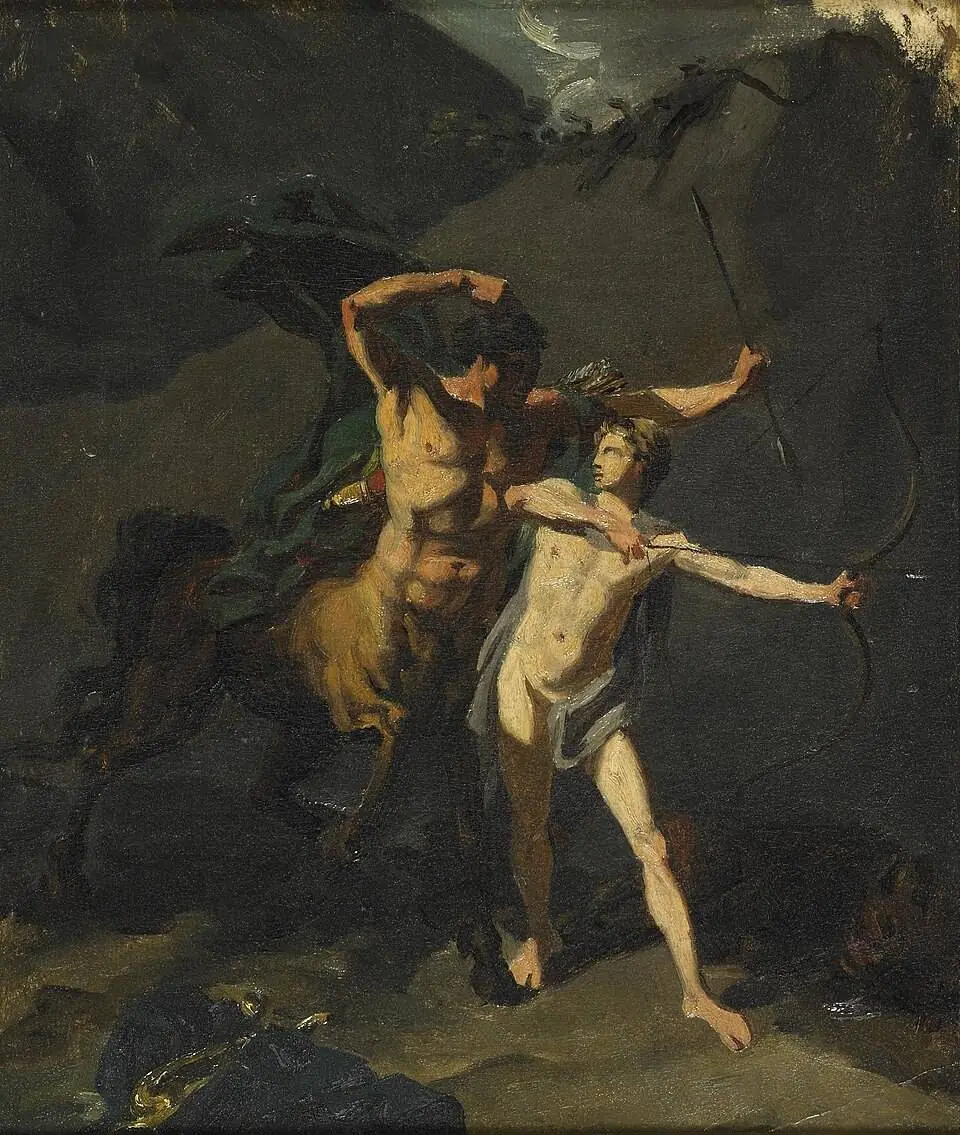
The Bibliotheca sends Asclepius to Chiron to learn medicine and has Peleus entrust the young Achilles to his care. Other heroes also become students in different traditions, but the entire list cannot be considered to be in the same class at the same time. Images from ancient times and later generations often show Chiron teaching a young hero to play the lyre, indicating that heroic education also includes rhythm, control and listening, not just the use of weapons. The centaur body connects the human upper body with the strength of the horse, but Chiron's behavior is different from many of his centaur kin who are written as violent. This difference comes from the character's specific actions in the narrative, and his character cannot be inferred solely from his half-human, half-horse appearance.
Doctors also have injuries that cannot be cured
In the Bibliotheca's account of the conflict between Heracles and the centaurs, Chiron is accidentally struck by an arrow dipped in the Hydra's poison. The hero came to help, and Chiron provided medicine, but it could not heal the wound; his immortal status prevented the pain from ending naturally. The ending is connected with the fate of Prometheus, but each author has different arrangements. It is not appropriate to describe the exchange process as a medical rule that everyone agrees with. The story of the mentor therefore retains a certain limit: knowledge can be imparted and even save people from afar, but the teacher himself cannot be protected from accidental harm. The reader can also remember this later encounter while viewing the gentle images of music lessons; teaching and care have not lost their value due to tragedy, but they simply cannot promise to permanently remove all pain from the heroic world.