Staying is not traveling freely
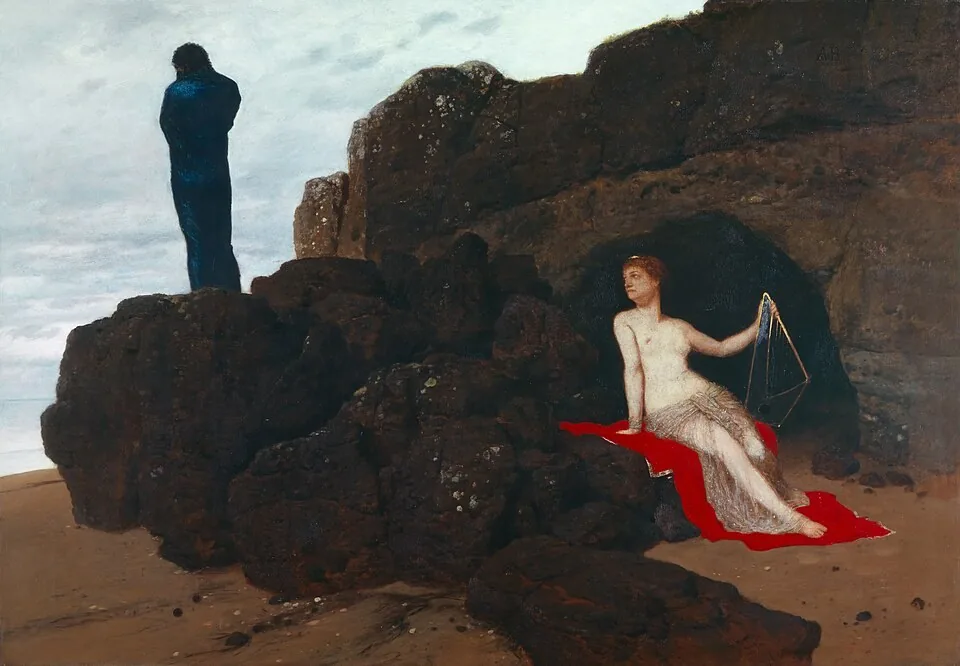
In Book 5 of "The Odyssey", Odysseus lives on Calypso's island, but misses his hometown by the sea during the day. The island was rich in natural beauty, and the goddess offered him immortality and companionship, but these conditions did not eliminate his pain. It follows that the desire to return home is not simply a pursuit of food, shelter, or beauty. A place that can meet the needs of the body may not give people the right to decide the direction of their life; staying for a long time does not mean truly owning a home.
The gods asked for release
Zeus sent Hermes to deliver the order, asking Calypso to let the hero leave. The goddess protested against the unfair treatment of love by the gods, pointing out that goddesses who take mortal lovers are often treated differently. This voice makes the scene not only a narrative of the protagonist breaking free from obstacles, but also allows the reader to hear another character's criticism of the order of the divine world. However, her grievance cannot automatically offset Odysseus' desire to leave; both feelings can exist at the same time, and the power held by both parties is still very unequal.
Why Immortality Is Not Enough to Keep People
Odysseus admits that the goddess is superior to mortals in terms of beauty and freedom from aging, but still longs to see Penelope and his land. What he chose was not an objectively more gorgeous residence, but a life connected to his own experiences, relationships, and identity. The story does not require everyone to make the same choice, but it clearly asks the hero to prioritize belonging in a limited life over eternal youth. The existence of death makes the opportunity to go home more precious and makes time something that cannot be exchanged at will.
Leaving requires labor and assistance
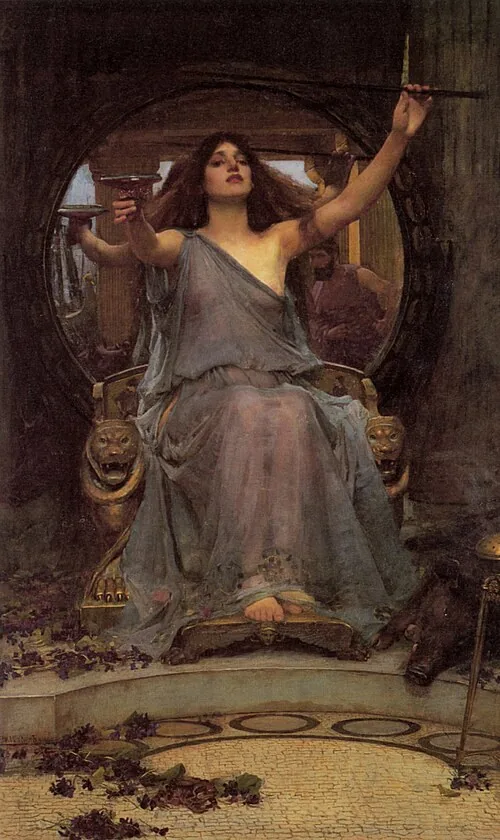
After being released, Odysseus still had to chop wood, build a raft, and prepare to sail. Calypso provides tools, food, and clothing, turning an order to leave into a journey he can actually undertake. Later paintings sometimes depicted the hero as a lonely figure facing the sea, emphasizing the stagnant mood on the island; epic poems also described the process of restarting action. She and Circe are different goddesses, with different residences and different stages of encounter, and the details of magic, hospitality and send-off on the two islands cannot be confused as the same encounter.