A trusted shape misused
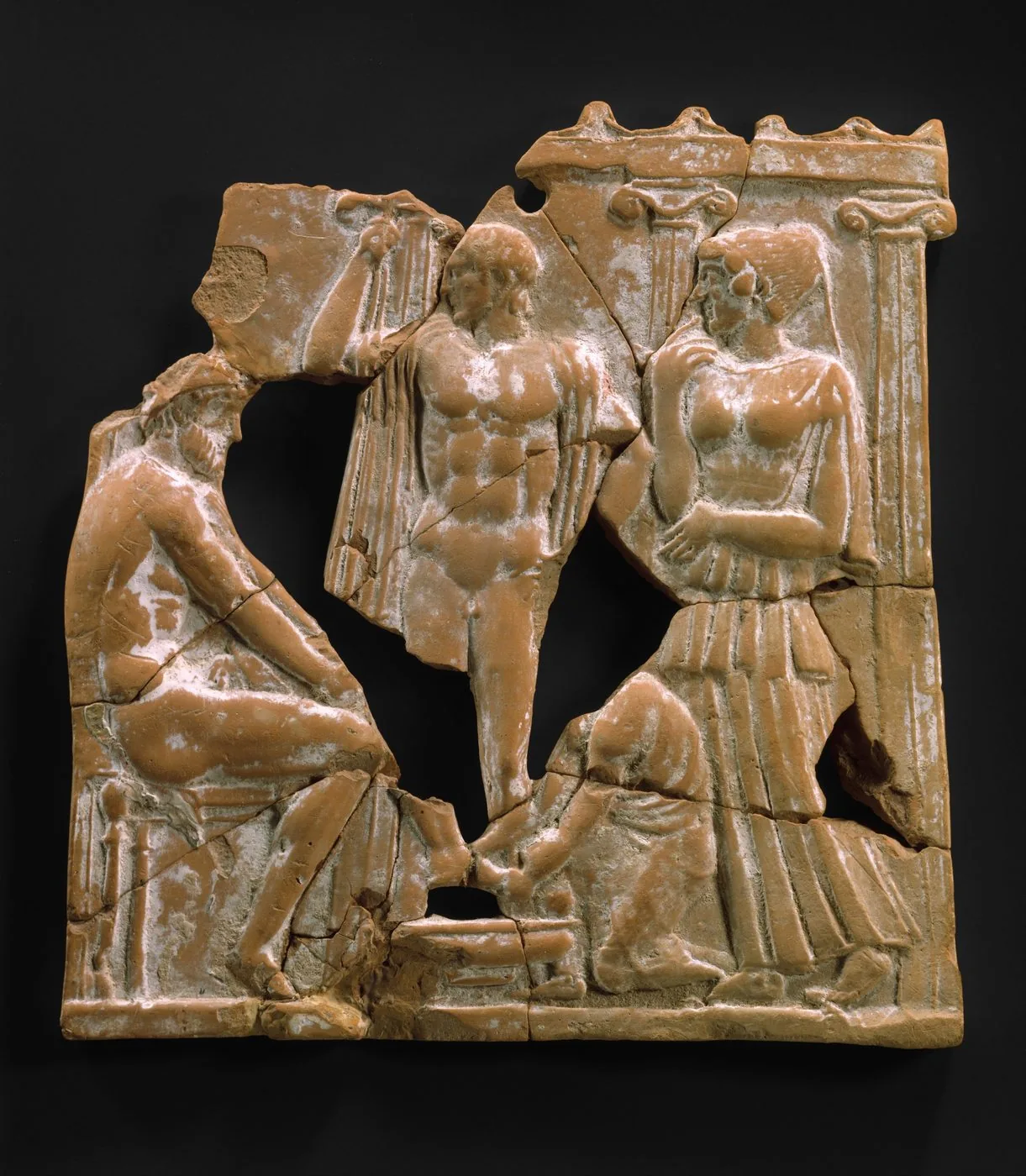
In Book 2 of Ovid's Metamorphoses, Callisto belongs to Diana's hunting company. Jupiter approaches her in the goddess's appearance, exploiting a shape she trusts. When his purpose becomes clear, she struggles, but cannot overcome the god's power. The text does not describe an equal romance. Ovid even imagines that Juno might have pitied Callisto had she witnessed the resistance. Beginning here matters: the later pregnancy, exclusion, and transformation should not be used to rewrite the initial assault as willing participation. Trust in a familiar figure has been turned against the person who relied upon it. That unequal beginning remains important even when the story turns toward the stars.
Punishment falls on the injured
Callisto is subsequently expelled from Diana's company when her pregnancy is discovered during preparations to bathe. After she bears Arcas, Juno transforms her into a bear. The goddess speaks of the young woman's beauty as though it were a deliberate offence. Readers need not adopt that accusation as a neutral description of events. The sequence shows how the injured person can become the visible target of anger directed through a powerful household. Jupiter's action starts the harm, while the consequences repeatedly fall on Callisto. The poem's divine characters do not therefore provide a single uncomplicated model of justice for readers to imitate.
A mind without a human voice
Ovid emphasizes that Callisto's understanding remains within the animal body. She cannot express her appeal in human speech, and the growls others hear fail to convey her fear and grief. She flees hunters, dogs, and other animals, sometimes forgetting how her own appearance has changed. This contrast between inward continuity and outward misrecognition gives the transformation its particular force. The bear is not simply a new costume that grants freedom in the forest. It makes communication and safety precarious. Callisto still has a history and relationships, even when the people around her can no longer read them from her body.
The son who does not recognize her
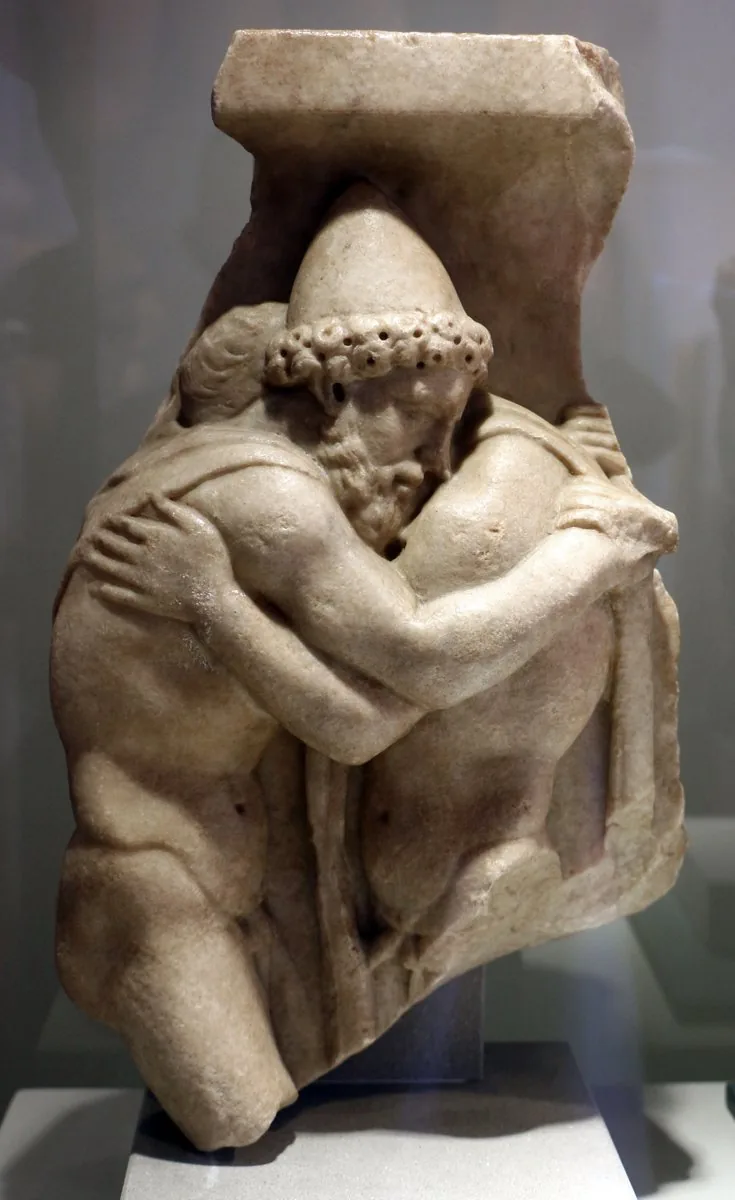
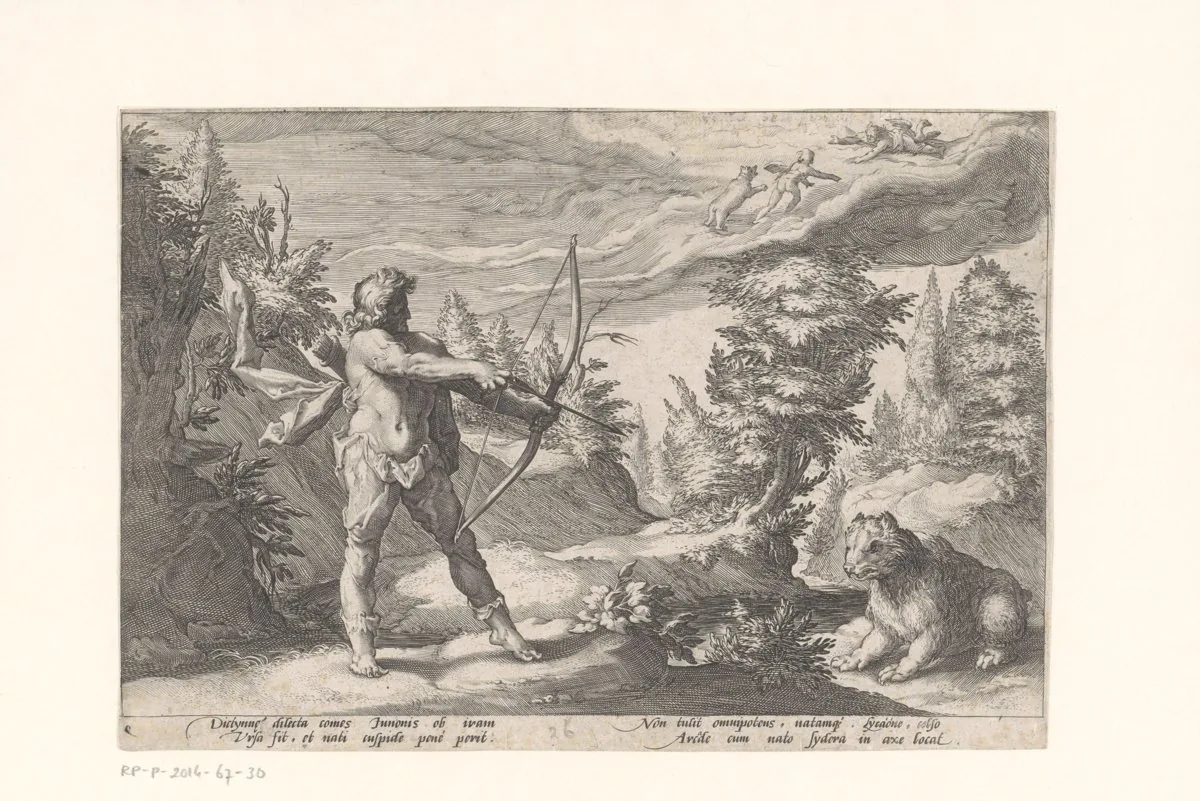
Years later, Arcas encounters the bear while hunting. Callisto recognizes her son and looks toward him, but he does not know who she is. Frightened, he prepares to strike. Jupiter prevents the act and carries them into the sky as constellations. That intervention stops a further disaster, but it does not undo the earlier violence or restore Callisto's ordinary life. Juno then asks the sea deities to deny the new stars a bath in their waters. The celestial ending therefore remains entangled with anger and exclusion, rather than becoming an effortless happy ending for every person involved.
Another account, another ending
Pausanias, in Description of Greece 8.3, records a different sequence: Hera changes Callisto into a bear, Artemis kills her, and Zeus has Hermes save the child. Callisto becomes the Great Bear, though Pausanias also considers whether the constellation merely bears her name because the Arcadians show a grave. This is not the same rescue scene as Ovid's encounter between mother and son. Preserving both accounts prevents a misleading composite biography. Together they let us ask what recognition means when a person's appearance changes, who has the power to declare guilt, and whether commemoration can preserve a life without repairing what happened to it.