A witness beside the pasture
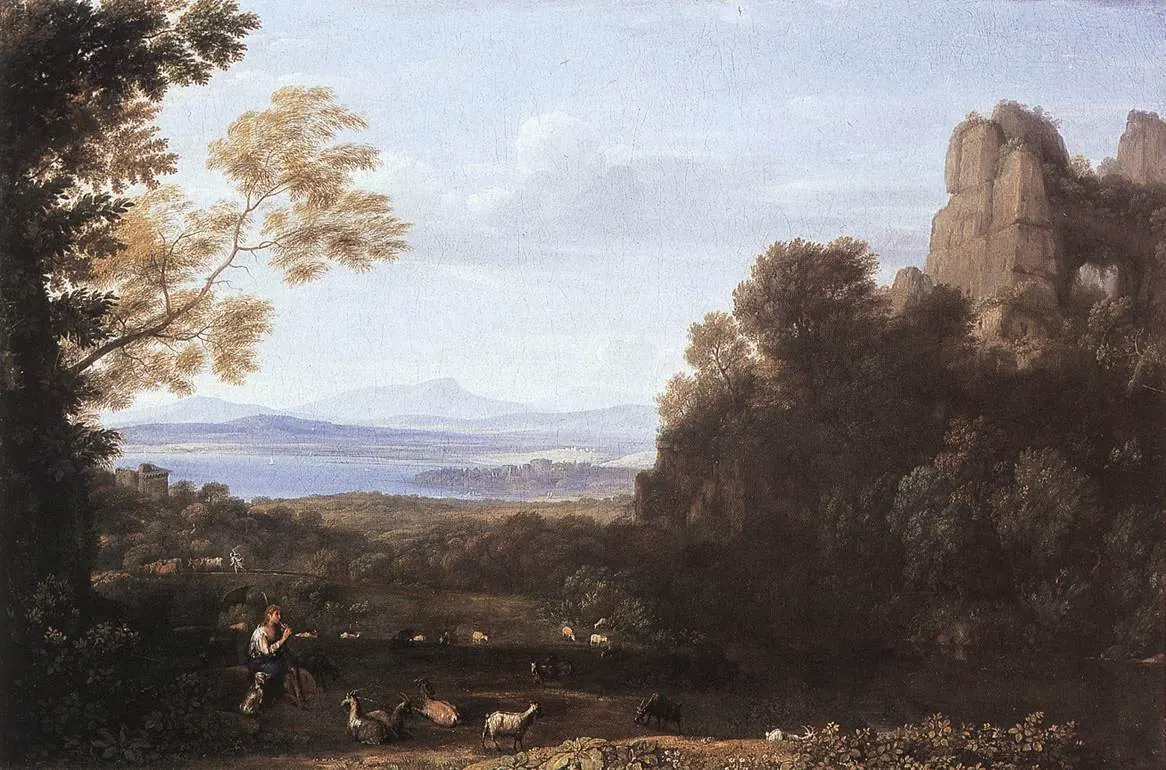
In Book 2 of Ovid's Metamorphoses, Apollo has left his cattle unattended while absorbed in music. Mercury notices the opportunity and takes them away to hide in the woods. One person sees what happens: Battus, an older man connected with the woodland and the pastures where Neleus' mares graze. He has not planned the theft and does not begin as its partner. His position is that of a witness who happens to know something a god wants concealed. This small difference matters. The story concerns not just an appetite for reward, but the way someone powerful recruits another person's silence after doing wrong. The pasture belongs to his working environment; seeing the herd pass is not the same as helping remove it from Apollo.
The first price of silence
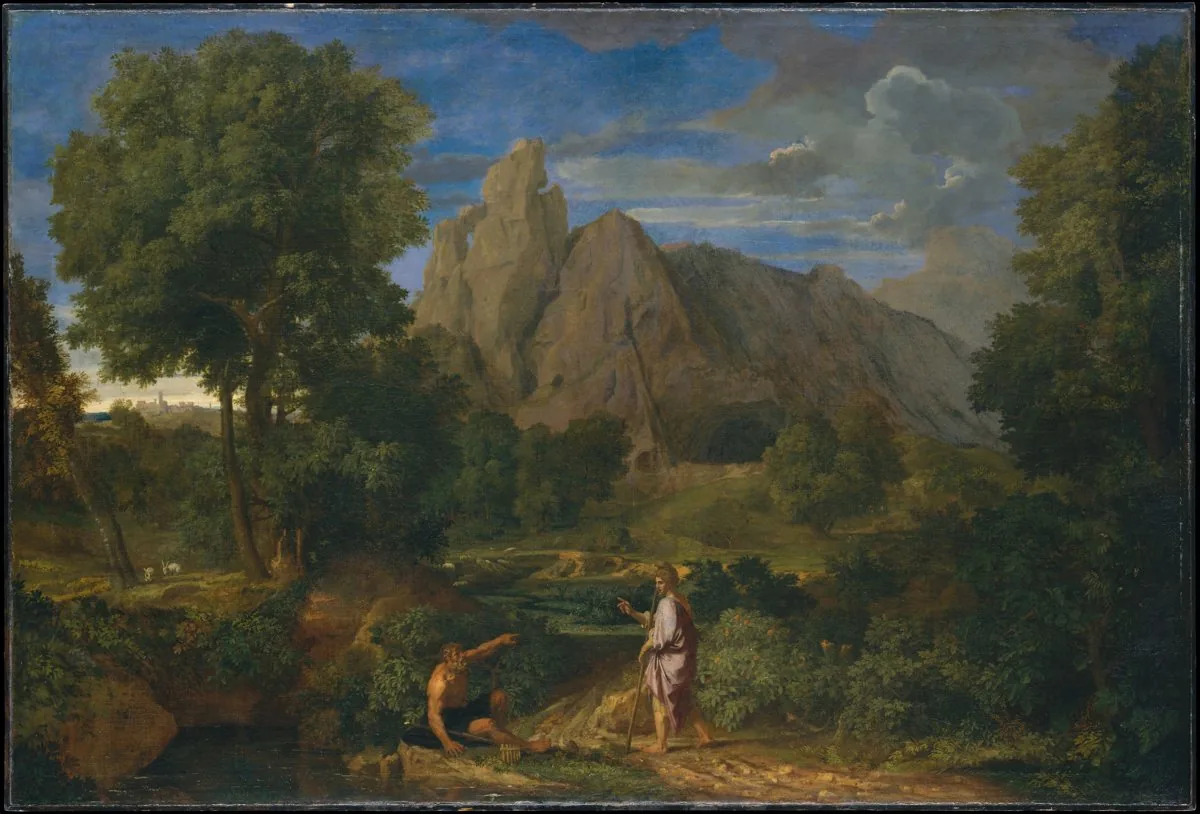
Mercury offers Battus a cow in exchange for denying that he has seen the stolen herd. Battus accepts and promises secrecy, pointing to a stone as though it would reveal the truth before he would. The gesture seems casual, but it prepares the transformation that follows. His assurance gives an ordinary object a place inside the bargain. The man is not making a neutral agreement to protect someone's privacy: he is accepting payment to hide a theft. Keeping that context visible prevents the episode from shrinking into a general command that every promise, whatever it protects, must always be honoured.
The buyer returns in disguise
Mercury pretends to leave, changes his voice and appearance, and comes back as another questioner. This time he offers a heifer and a bull for information about the cattle. Battus gives the location. The god then exposes the trick: the witness has betrayed Mercury to Mercury himself. The doubled offer makes the promise look available to the next purchaser. Yet the test is also arranged by the original thief, who controls both identities and both rewards. There is no independent hearing or equal opportunity to contest the terms. Ovid lets the god's ingenuity and the man's inconsistency occupy the same scene.
Speech arrested in a body
Mercury changes Battus into stone. The earlier pointing gesture becomes more than an incidental detail: the witness who invoked a silent object now becomes one. A mouth that could exchange information can no longer speak at all. This connection between speech and material form gives the short episode its memorable finish. It does not require us to celebrate the severity of the punishment. A human being is made permanently answerable to a god who has not returned the stolen cattle within this passage. The imbalance remains visible even if Battus' conduct is plainly compromised. The stone closes a conversation whose conditions were never equal.
The older hymn's different witness
The Homeric Hymn to Hermes also includes an old man working in a vineyard who sees the young god driving cattle. Hermes tells him to remain silent, and the man later gives Apollo a cautious account of what he observed. The hymn does not call this witness Battus or turn him to stone. Its scene belongs to a longer negotiation between Hermes and Apollo, rather than Ovid's compact punishment tale. These are related narrative situations, not pieces of one continuous biography. Read beside each other, they invite us to distinguish discretion, purchased concealment, and truthful testimony, while asking who is allowed to decide when a witness may speak.