An Invention Begins with a Tortoise Shell
Homeric Hymn 4 focuses the miracles of Hermes on the first day of life. The son of Zeus and Maia, he was born in a mountain cave but soon left his cradle. After meeting a turtle, he used the turtle shell to make a lyre, turning an ordinary animal into a new instrument that could make sounds. Cleverness in poetry is not just about lying, but also about observing materials, assembling parts, and trying out sounds; this creation later becomes a bargaining chip in his negotiations with another god.
When Maia found her son out, she was worried that he had incurred the wrath of the other gods. However, Hermes did not want to stay in the cave forever and be ignored, and hoped that both he and his mother would receive honors. Cattle rustling is thus also a reckless start for a new member to gain status. The hymn allows this wish to be finally rearranged through the return of clues, music and promises without stopping at the success of hiding the stolen goods.
Confusing the Tracks
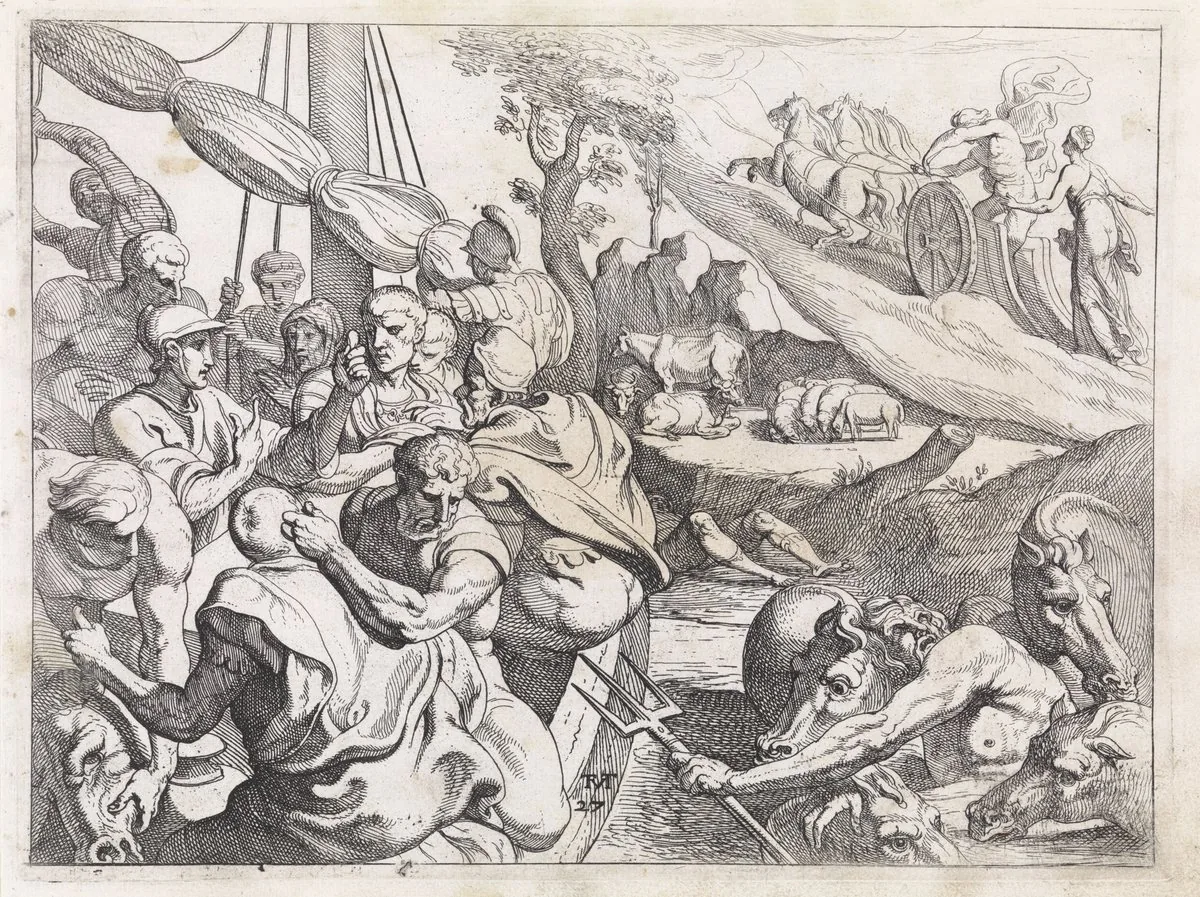
Hermes came to Apollo's herd, stole fifty cows, made them walk backwards, and made himself special shoes to make tracking difficult. He also made a fire, processed two cows, and cut the meat into twelve portions. Then he returned to the cave and pretended to be an innocent baby. Apollo followed the clues to find him, heard a series of excuses, and finally brought the dispute to Zeus. Zeus laughed at the little god's wit and still asked the two to find the hidden herd together.
From Theft to Mutual Recognition
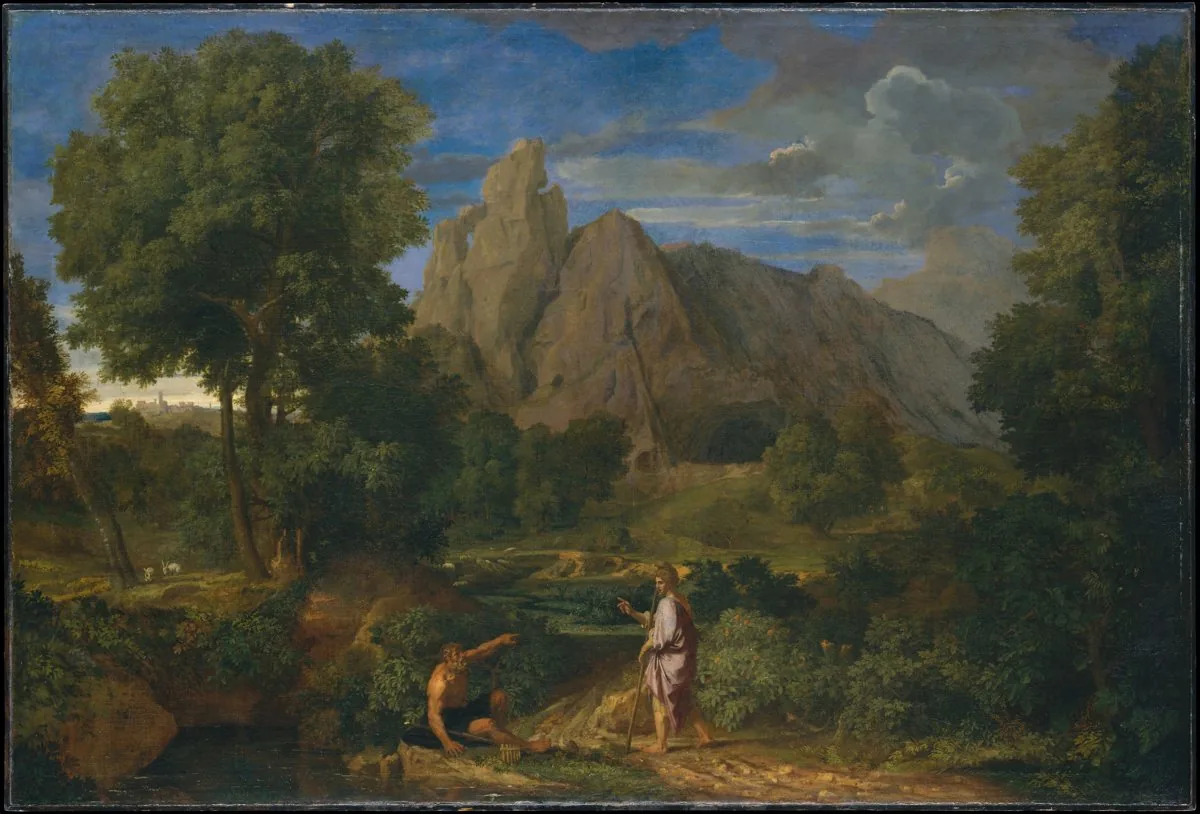
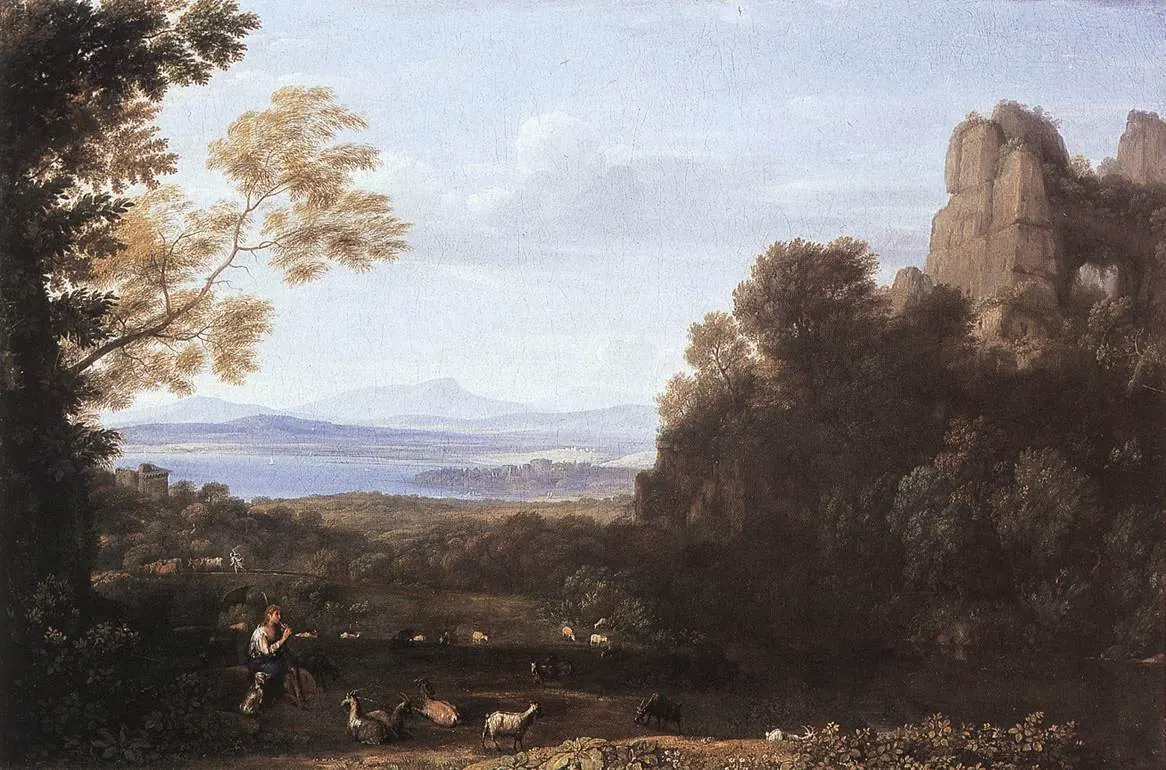
Apollo heard the sound of the lyre and was attracted by the new instrument. Hermes used the lyre in exchange for the herd and friendly relations between the two parties. The promises and gifts that follow further delineate the respective abilities of the two gods: music, livestock, divination and communication are not all monopolized by the same person. This ending allowed the young newcomer to gain their place in the divine world, and also transformed conflict into cooperation. Later paintings often depict cattle-stealing as an action of the adult Mercury in the countryside, which is an artistic adaptation; this article retains the closely connected structure of babies, new utensils and judicial mediation in the hymn.