A Reputation Earned Through Skill
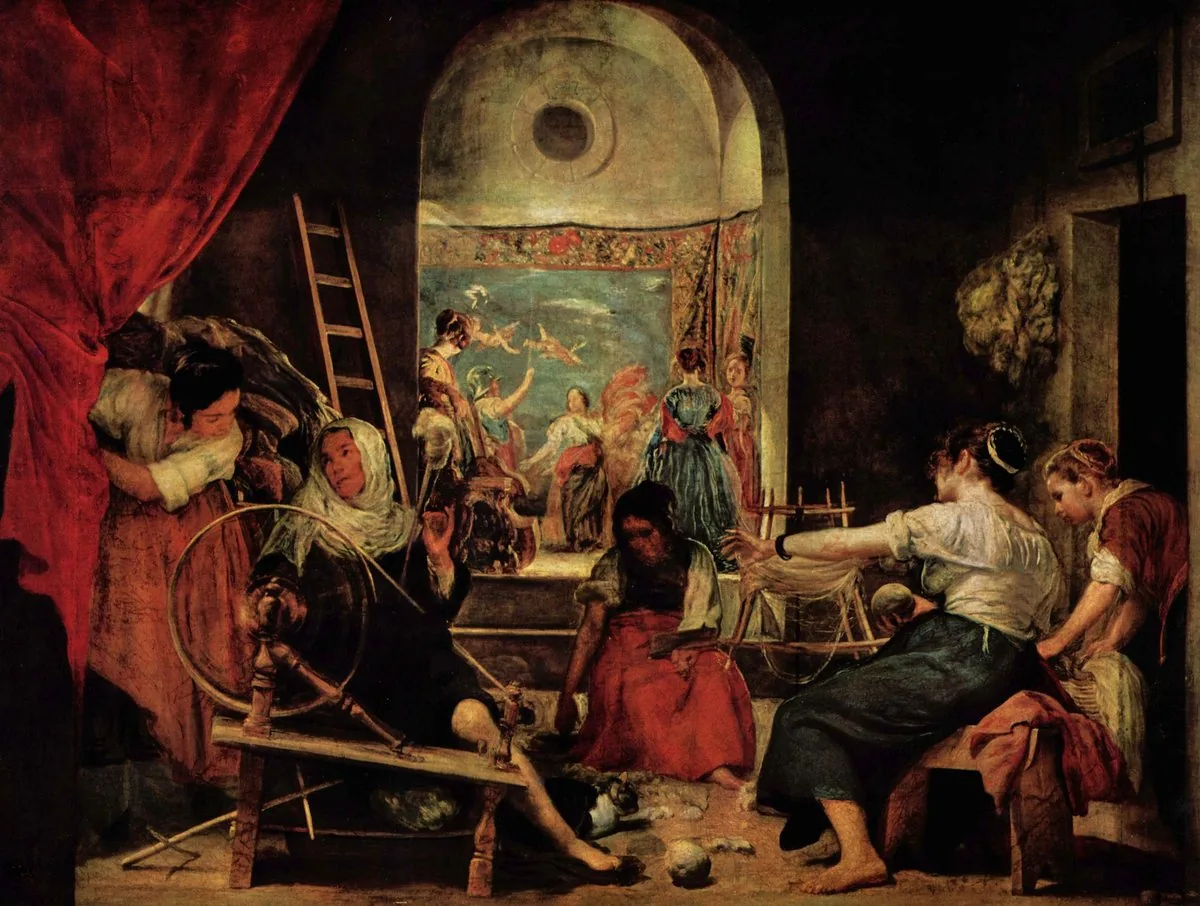
The sixth volume of Ovid's "Metamorphoses" writes that Arachne was born in Lydia, and her father was a dyer of purple fabrics. She is not famous because of her family background. People come here to see the finished product and her skillful handling of silk threads. Athena turned into an old woman and persuaded her to recognize her status as a goddess; but the girl persisted in challenging her. Then the goddess revealed her true form, and the two of them began to weave. The competition here involves concrete materials, labor, and spectators; craftsmanship is not an abstract conceit.
Onlookers marvel not just at the result of the cloth, but also at the process, which builds the girl's reputation on observable labor. The majesty of the goddess comes from identity and existing status. When two people sit in front of similar looms, the competition temporarily puts them in a comparable position; the action of the fabric being torn shows once again that this similarity does not bring about equal rights of disposal.
Two Choices of Woven Truth
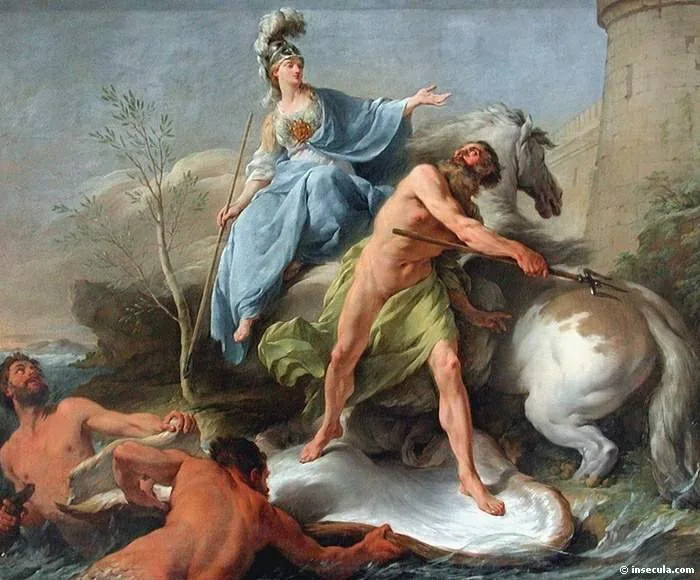
Athena weaves a majestic assembly of the gods. The center is the story of her victory in the contest for Athens, and the corners display examples of mortals who challenged the gods and were punished. Arachne chose the plot of gods changing their forms to deceive women, laying out unsettling desires and power on the cloth. Ovid did not write that her work was of inferior craftsmanship; the goddess could find no fault in her workmanship, yet tore the fabric and struck her. The two weavers’ choice of imagery goes closer to the heart of the conflict than a simple technical score.
The Spider Continues Her Work
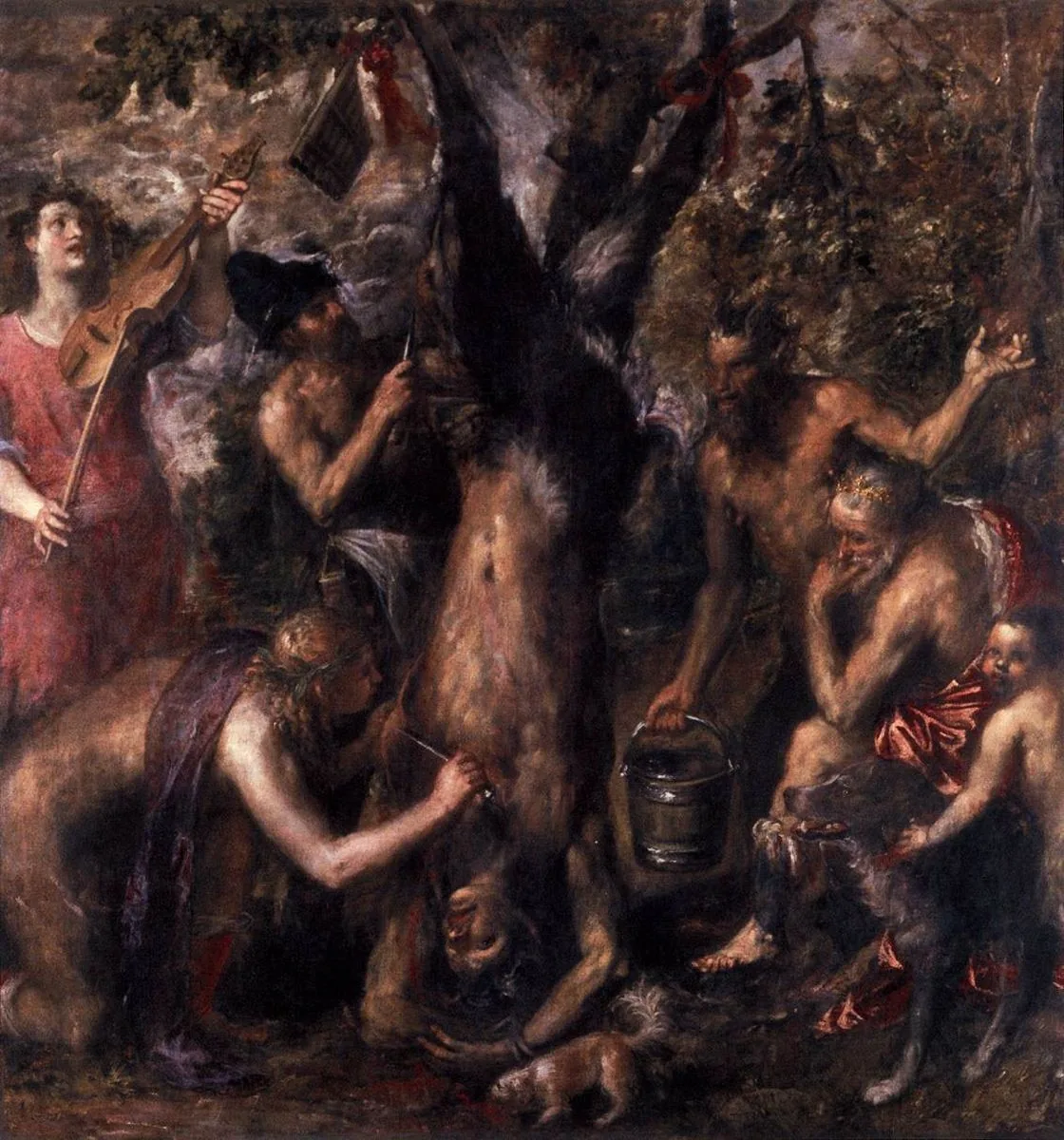
Arachne desperately tried to hang herself, but the goddess kept her alive, only to turn her into a spider, leaving her and her offspring to continue hanging and spinning webs. This is a story of changes preserved by Roman poets and cannot be directly regarded as a creed common to all ancient Greek regions. It can be read today along two lines: how craftsmanship challenges status, and how those in power control the narratives that are presented. The spider is still weaving, so that the story does not completely erase the girl's abilities, but merely moves her into a form without a human voice.