After the brothers' deaths
The context of Sophocles' Antigone is that Eteocles and Polyneices killed each other during the battle for Thebes. The new ruler Creon allowed the former to be buried, but forbade anyone to bury Polyneices, who was considered an enemy. The body then becomes the subject of political judgment, and Antigone believes that the deceased, as an older brother, deserves burial. She is not facing an abstract ideological test, but must decide what to do with a concrete body after deaths within her own family.
Spread a layer of dust
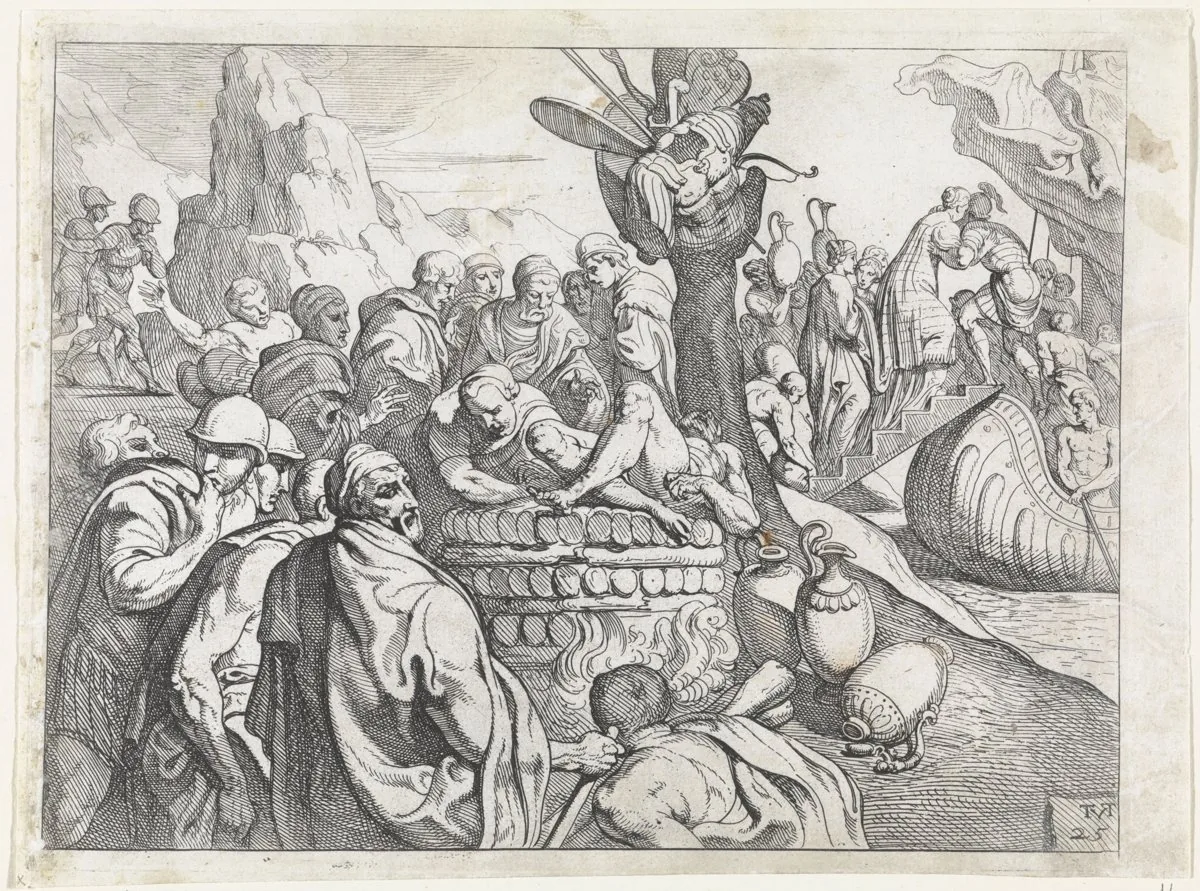
Antigone violates the prohibition by covering the body with earth and performing the necessary rituals. The act was small in scale, but it openly challenged the ruler's requirement to treat orders as absolute boundaries. The younger sister Ismene was initially worried that they would not have the strength to fight against the city-state. Her hesitation can be understood as a recognition of survival risks, rather than simple ruthlessness. The different choices between the sisters allow the work to retain the physical weight of fear and remind readers that moral resolutions are always carried out by those who have to suffer the physical consequences.
Why does Creon sink deeper and deeper?
Creon was worried about losing his authority and insisted on punishing Antigone, even rejecting the advice of his son Haemon and the prophet Teiresias. His insistence on the order of the city gradually became entangled with his refusal to admit his mistakes. Tragedy does not deny the need for rules in public life, but it allows us to see how a person equates his own judgment with the entire community. When reminders from various sources are interpreted as offensive, opportunities to correct decisions shrink, and authority begins to harm the homes and cities it was trying to protect.
A belated change cannot undo the harm
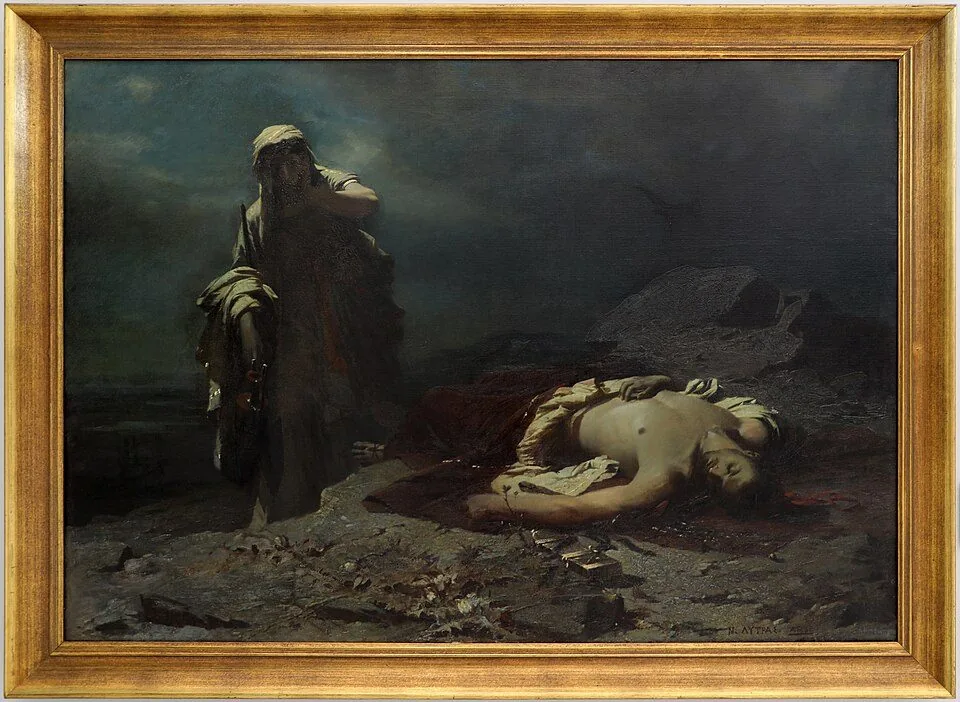
Antigone committed suicide after being imprisoned in the stone chamber, and the deaths of Haemon and Eurydice brought losses to Creon's own family. The ruler eventually changed his attitude, but he was unable to reverse the damage that had already occurred. Later paintings often highlight her guarding her brother's body, placing kinship before policy debates. Reading does not require translating the ancient drama directly into modern legal conclusions; it demands more urgently that we understand that taking responsibility also includes promptly listening to objections and acknowledging that decisions can affect those outside one's field of vision.