From a pair of birds to another bird
After the story of Ceyx and Alcyone in Book 11 of Ovid’s Metamorphoses, an observer points toward a diving bird and recalls another prince. Aesacus is Priam’s son and Hector’s brother, but dislikes the city and court, preferring mountains and the countryside. Readers leave familiar expectations of Trojan military honour. Noble ancestry remains, yet achievement in battle will not organize this narrative. Nor does placing two bird transformations beside one another make their emotional outcomes identical. Companionship in the earlier account cannot guarantee a satisfying union in the next. The transition asks us to look again instead of assuming that feathers always carry the same kind of consolation.
Two different motives make one pursuit swift
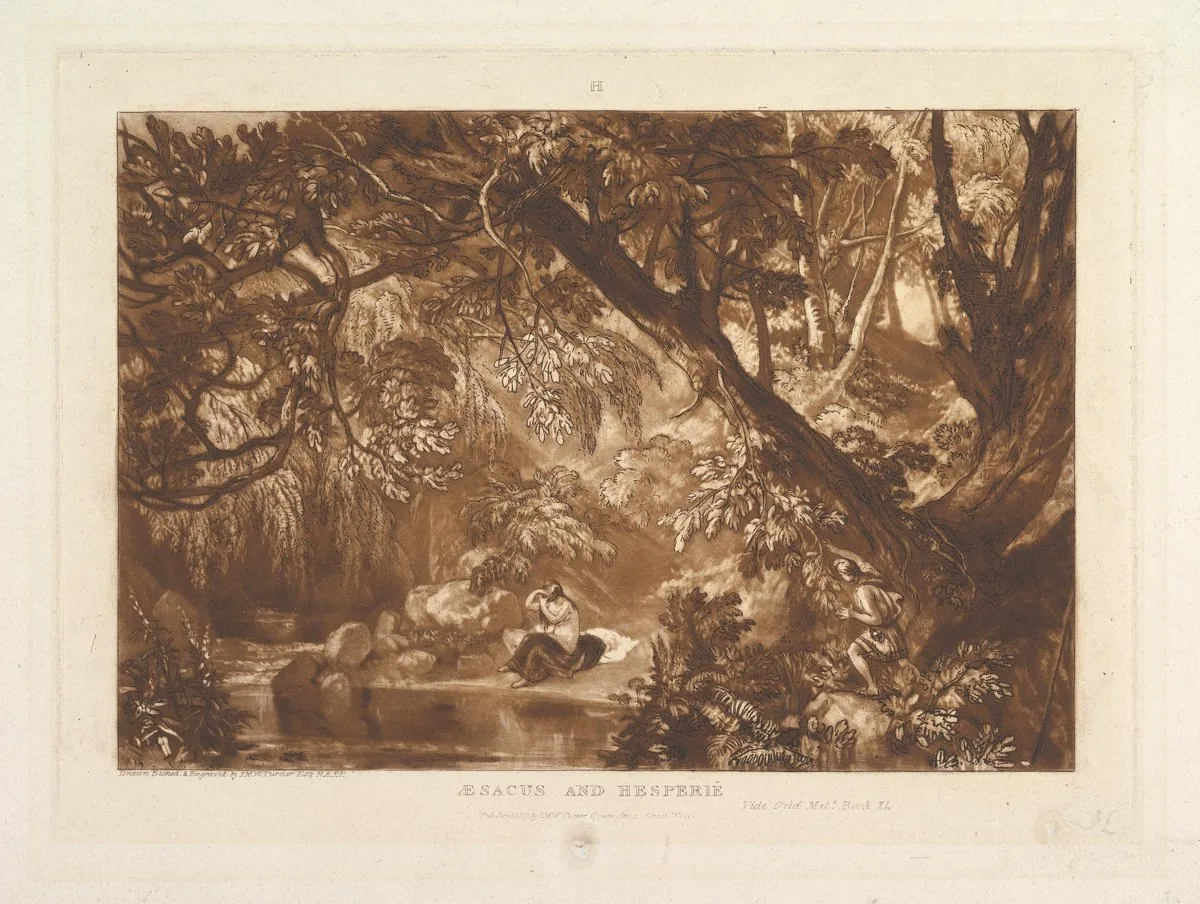
Aesacus sees Hesperia, daughter of the river Cebren, resting beside the water and drying her hair. She sees him and runs. The poem compares her to a deer fleeing a wolf and a water bird escaping a hawk. Desire makes him swift; fear makes her swift. Those motives should not be combined into mutual understanding. A snake concealed in the grass bites her foot, and she dies. Trees, flowing water and shade remain beautiful, but beauty has not made the place safe. Reading this scene requires noticing why she leaves, rather than following only the prince’s wish to draw near. The pursued person’s movement has its own meaning.
He gives himself a share of responsibility
Holding Hesperia’s lifeless body, Aesacus says that the snake caused the wound but his pursuit helped cause her death. He did not foresee the outcome, yet lack of foresight does not undo it. The episode is neither a lesson that she should not have fled nor an assurance that intense feelings remove responsibility. His remorse retells his earlier action from a changed position. The encounter he wanted and the danger she experienced were not the same event for both people. That recognition arrives too late to save her. It nevertheless lets readers see how desire can fail to consider the circumstances of the person toward whom it is directed.
Help preserves life without repairing loss
In grief Aesacus enters the sea seeking death. Tethys pities him, receives him and gives him feathers, making him a diving bird. This is the sea goddess associated with Oceanus, not Thetis, Achilles’ mother. The transformation does not restore Hesperia. Ovid makes him continue living unwillingly and repeatedly plunge beneath the water. We can read that as an image of persistent sorrow without treating his actions as advice for anyone’s real life. A new body can float and survive without automatically possessing forgetfulness or peace. Rescue and healing are not synonyms in this narrative, and continued existence does not prove that the earlier relationship or its harm has been repaired.
A print opens the space before the chase
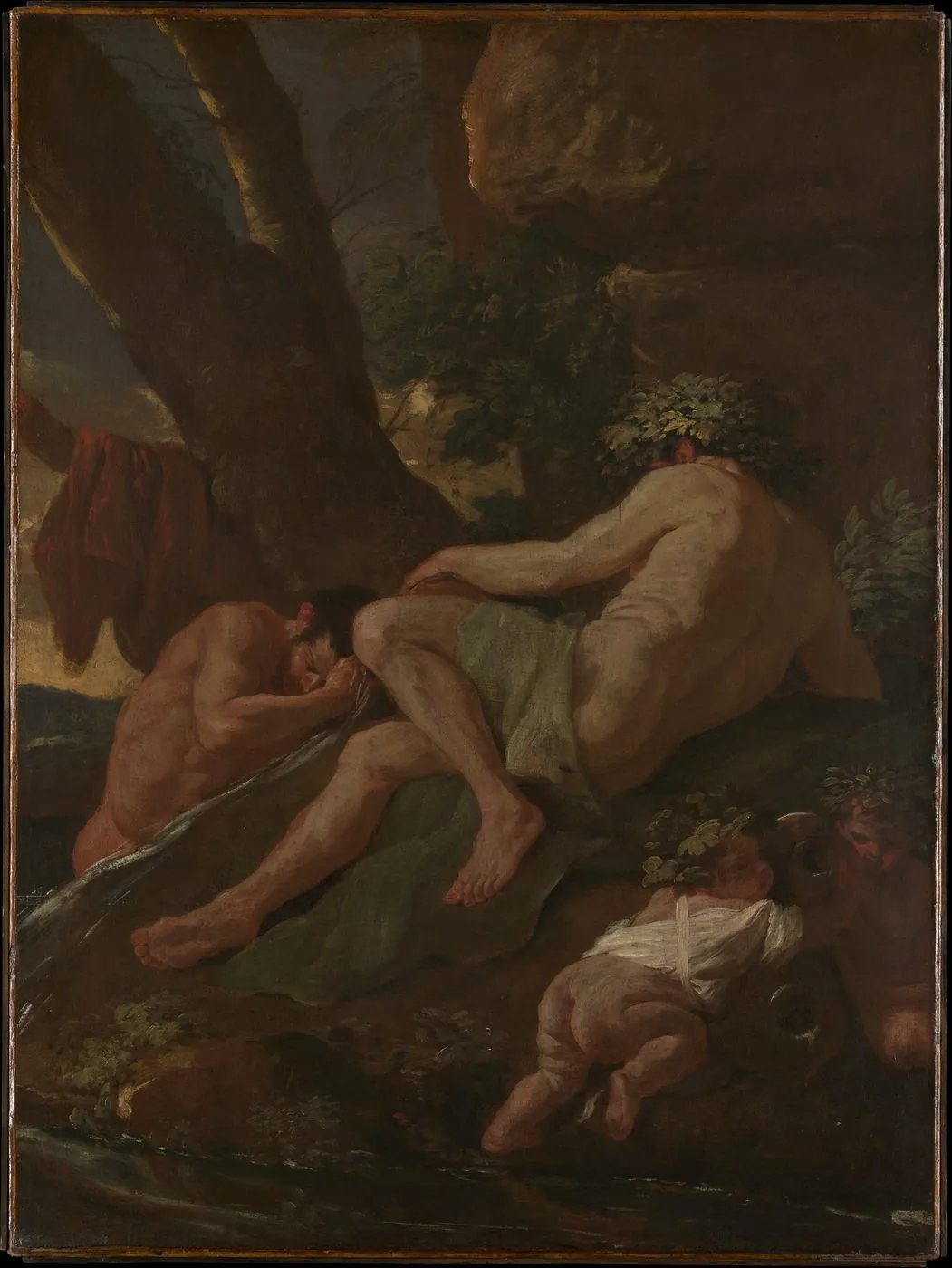
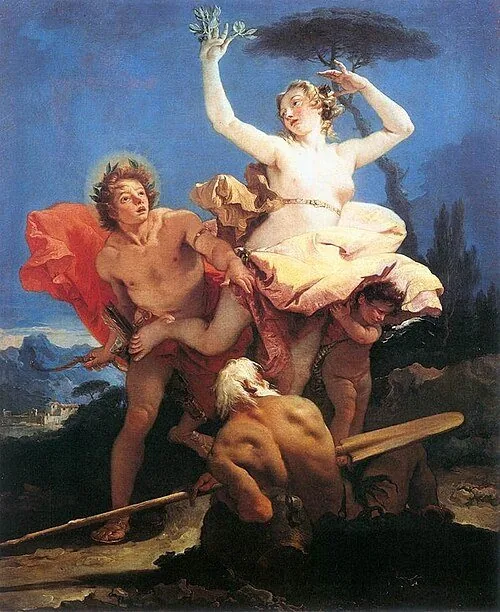
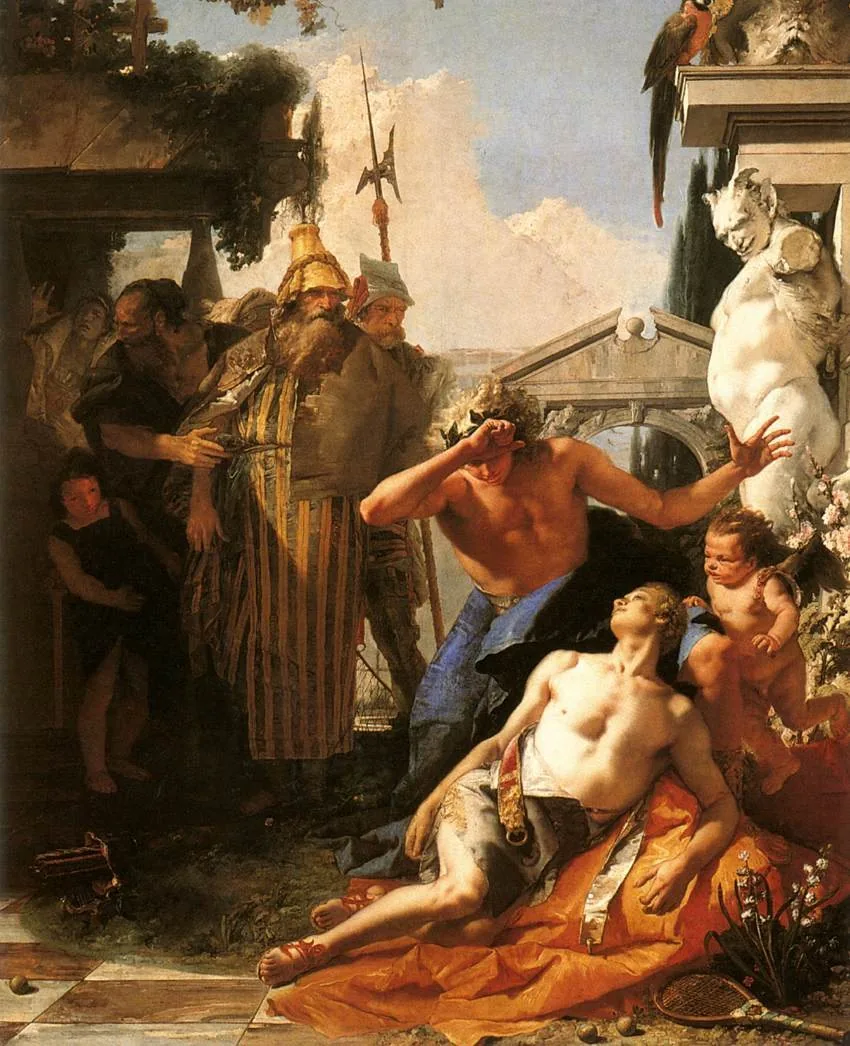
Turner published Aesacus and Hesperie in 1819 as part of Liber Studiorum. The Metropolitan Museum describes his etched outlines and mezzotint tones organizing trees, waterside and figures into a historical landscape. Our illustration uses a museum impression of that subject; it is not a frame-by-frame record of the transformation. Looking first at tranquil scenery and then reading the figures’ different desires exposes a distance between landscape and experience. The sea bird preserves a story, rather than proving that every diving bird once lived through it. What remains is a reason not to recast pursuit, remorse and survival too readily as a victory of love. Beauty in the surroundings does not decide the moral shape of an encounter.