The vulnerable body in the epic
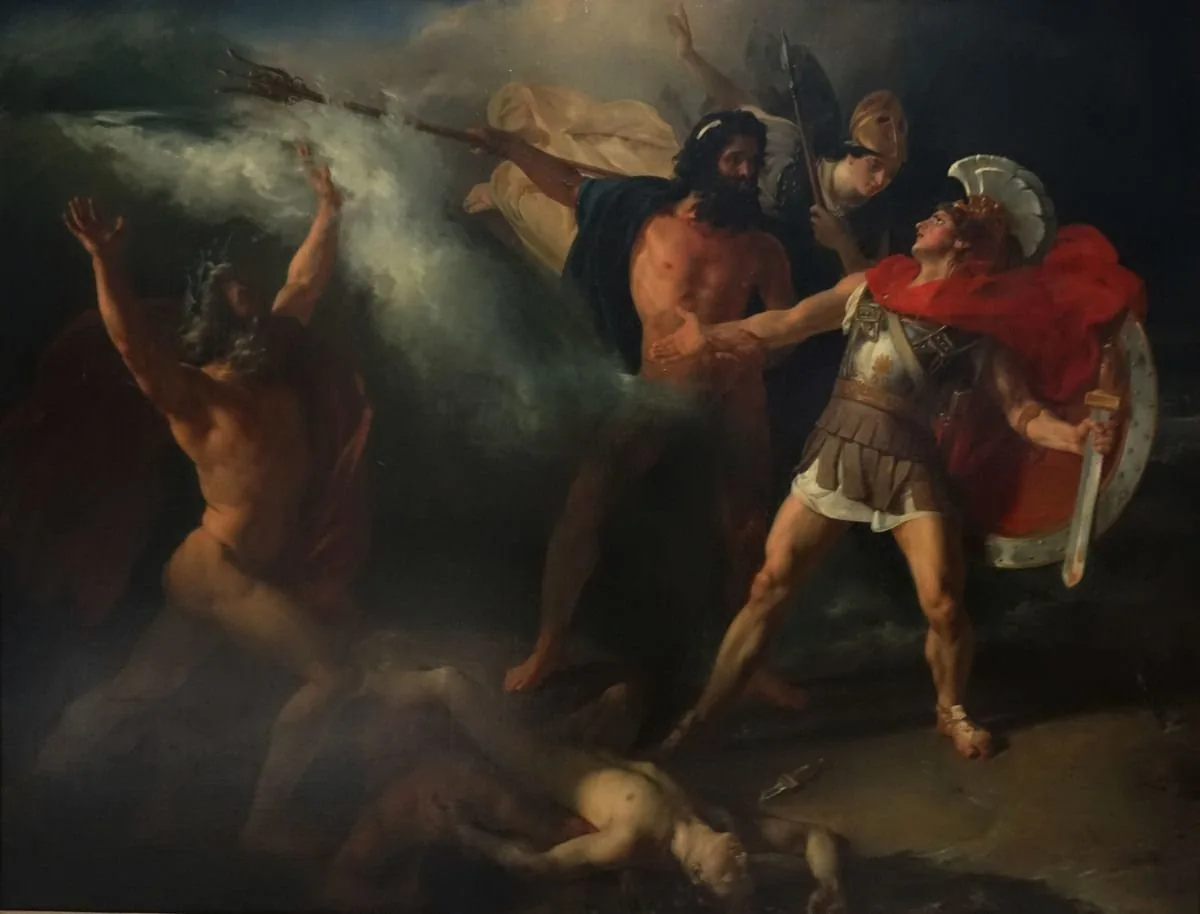
When "The Iliad" portrays Achilles, it emphasizes his strength, anger and short life, but does not tell the complete story of his mother dipping him into the River Styx by his heel. In Book 21, Asteropaeus's weapon even scratches his arm. The vulnerability of the body to injury, combined with the fate of an early death, constitutes the hero's vulnerability. If we first apply the later popular invulnerability setting to Homer, we will misunderstand these bloody scenes and the characters' understanding of death.
The date of the Styx tradition
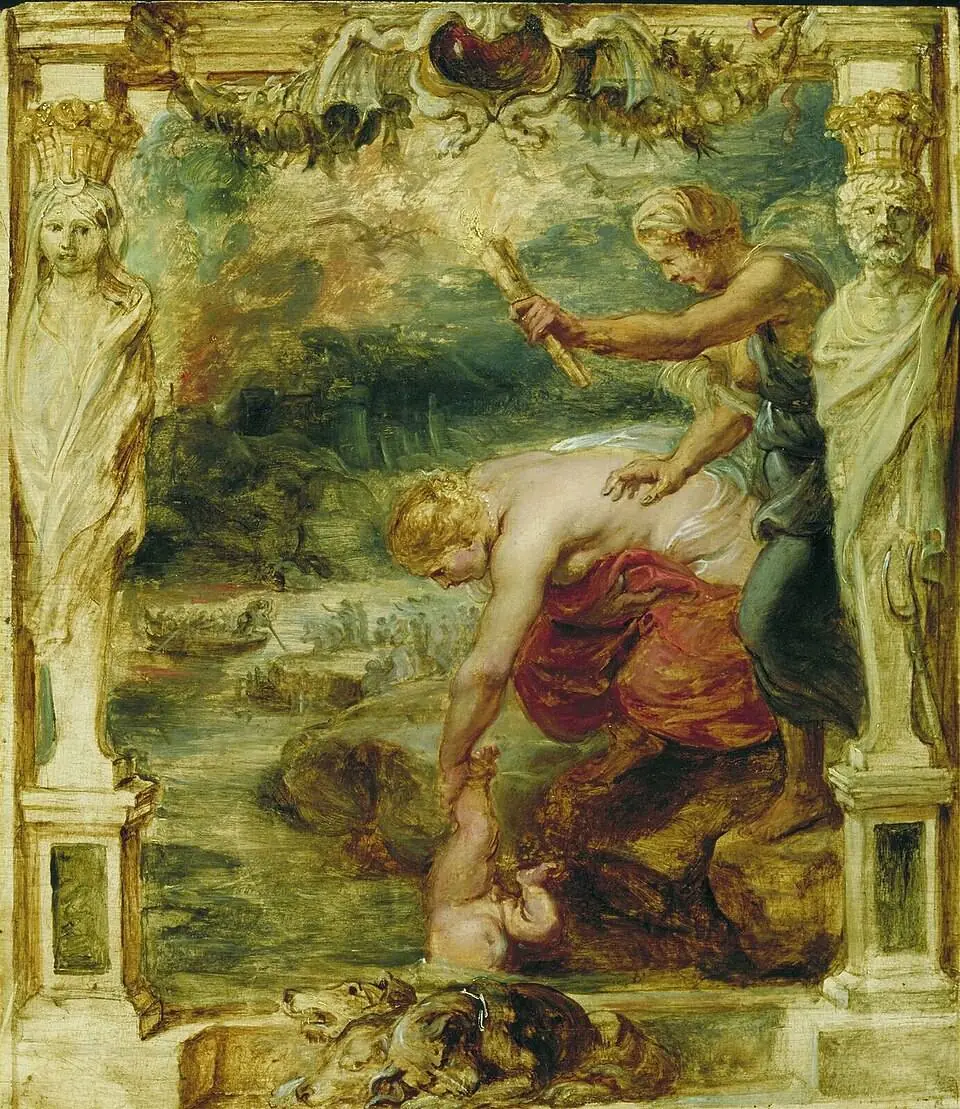
The Roman poet Statius's Achilleid wrote that Thetis used the water of the Styx to protect her son. This is important later material for understanding the river-dipping tradition, but the work does not fully preserve the narrative of the hero's final death. Later mythological accounts link the mother's protection, physical weakness and Paris's shooting. The continuous plot with which we are familiar is a long-developed tradition, and today's common sense alone cannot be used to conclude that all ancient authors shared the same physical settings.
Prophecy does not cancel action
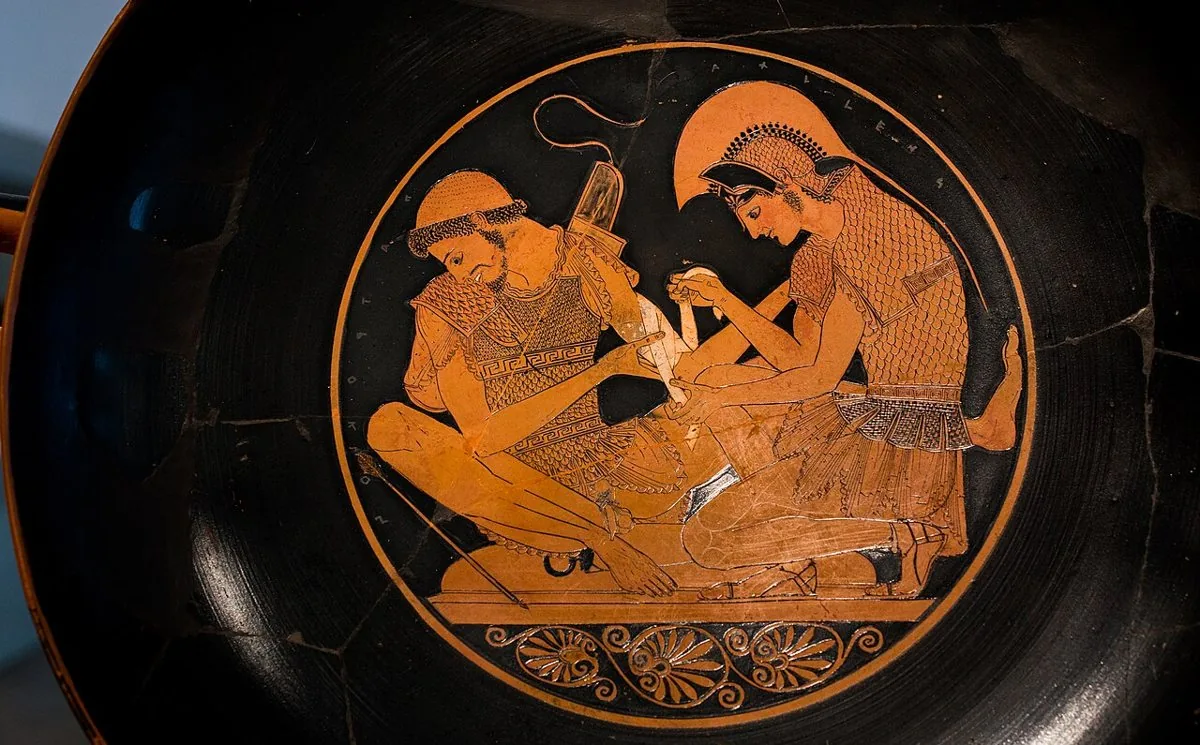
In Book 22 of "The Iliad", the dying Hector predicted that Achilles would be killed by Paris and Apollo, but did not explain here that the arrow will definitely hit the heel. The hero knows that he cannot have a long and stable life, but still chooses to return to the battlefield. The tension of the story is therefore not limited to the search for a secret weakness, but also includes how the character deals with friendship, reputation and anger in a limited life, and how his choices change the fate of others.
How a metaphor is formed
Later painters loved to depict the scene of a mother holding up her baby, compressing protection and omission in the same action. Today the Achilles' heel has become a metaphor for a fatal vulnerability, a powerful use but no substitute for textual history. When appreciating the illustrations, three levels of content can be distinguished: Homer's war heroes, magical protection in later literature, and abstract metaphors in modern language. Distinguishing these layers not only preserves the appeal of the story, but also prevents the most widely circulated version from being mistaken for the earliest version.