A man before a missing weapon
The Iliad’s catalogue of ships briefly names Philoctetes: a skilled archer left suffering on Lemnos after a snakebite. His men have another leader, but the poem says the Greeks will soon remember him. This is not yet Sophocles’ detailed drama of deception. Reading the short notice beside the play helps us distinguish a remembered absence from a later work that lets the absent man speak.
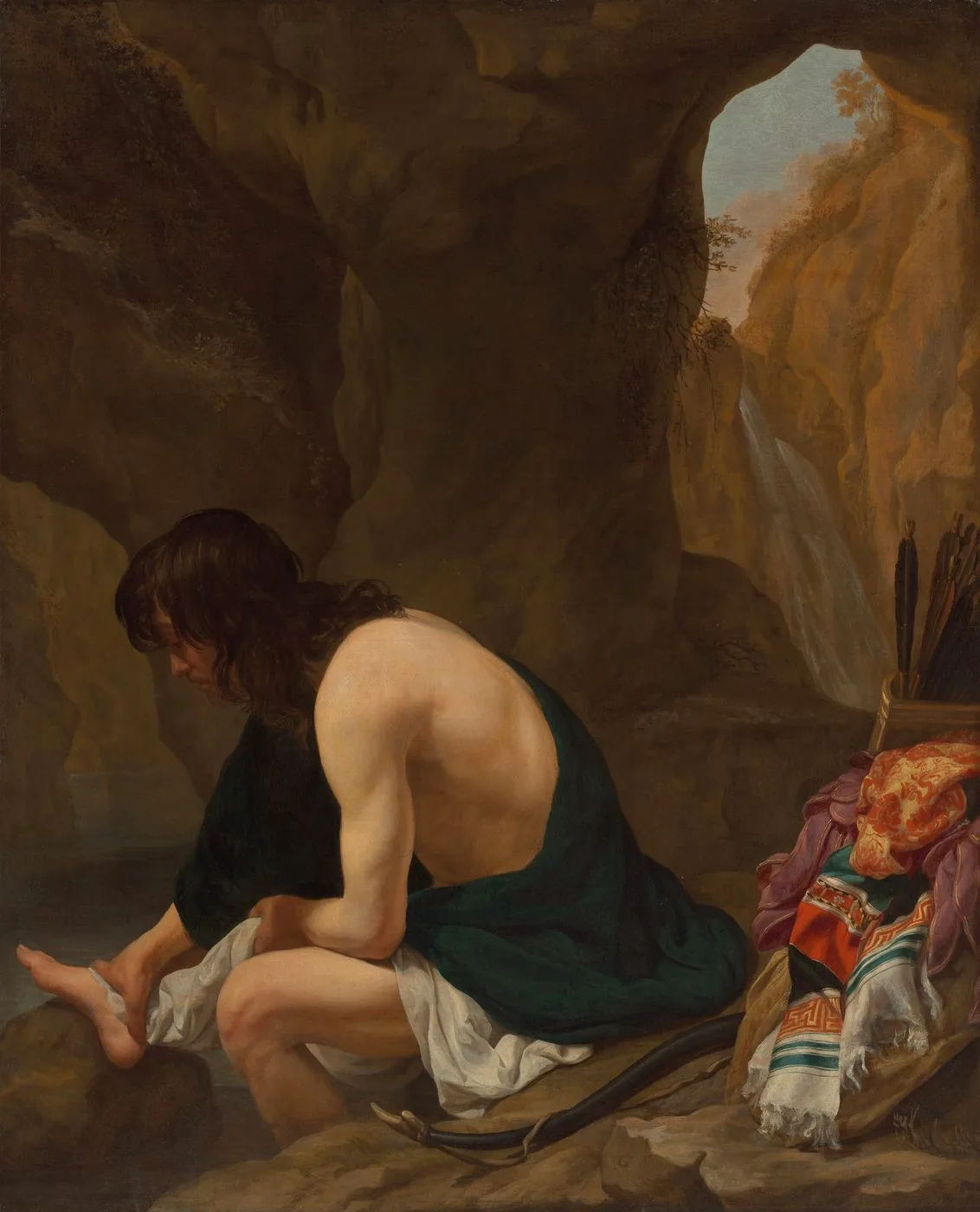
In Philoctetes, the visitors first inspect a cave, bedding, a rough vessel and dressings for a wound. These small things describe a life that has continued without an army’s care. The bow inherited from Heracles matters because it brings down food, as well as because it can win battles. Calling it merely a military prize overlooks the daily survival attached to it.
The invitation conceals a destination
Odysseus brings Achilles’ son Neoptolemus to retrieve the archer for Troy. He argues that deception will accomplish what force cannot, and teaches the younger man a story of grievance against the Greek commanders. Neoptolemus resists, then agrees. His reluctance does not make the resulting lie harmless; it lets us watch someone accept a method he initially recognises as wrong.
Philoctetes hears what seems to be another injured man’s experience. He asks to be taken home, not returned to the army that abandoned him. The apparent agreement therefore contains two journeys: the one the passenger expects, and the one his supposed helper intends. Odysseus invokes a common victory, but a shared objective cannot be assumed when one participant is being kept uninformed.
A sleeping man and an entrusted bow
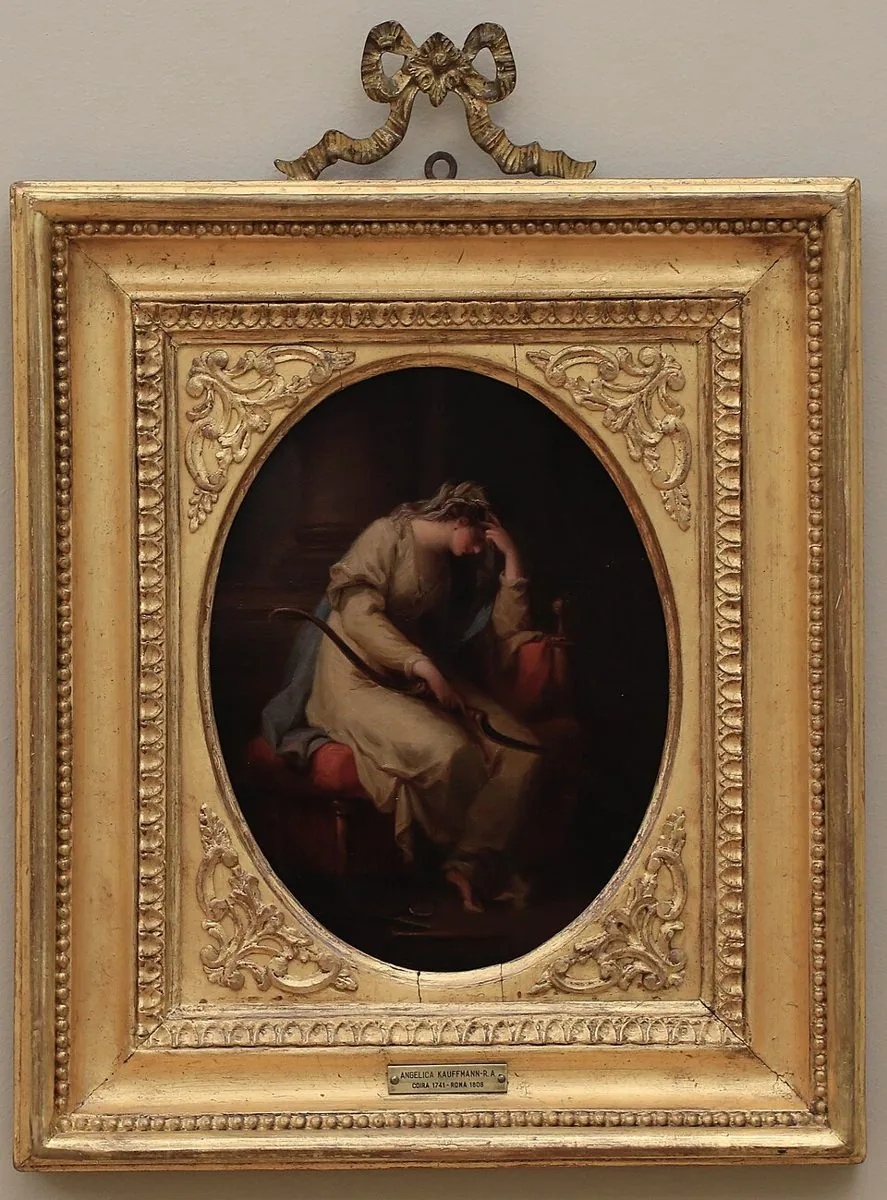
An attack of pain changes the pace. Philoctetes entrusts his weapons to Neoptolemus and asks him to stay. Sleep then leaves the wounded man unable to watch over either his body or his possessions. The scene makes vulnerability a matter of particular actions: holding something for another person, remaining nearby, and deciding what to do while that person cannot answer.
The plan appears close to success, yet possession does not settle the problem. Neoptolemus eventually admits the intended destination, and Philoctetes recognises the betrayal. His distress is not simply an obstacle to efficient transport. He has already survived one abandonment; the new deception makes a promised departure resemble the earlier moment when other people decided his future without his agreement.
Restitution does not purchase obedience
Neoptolemus returns to give the bow back despite Odysseus’ opposition. An apology becomes an action that costs him control over the situation. Philoctetes can again resist, including by threatening Odysseus with an arrow; Neoptolemus prevents that killing. Restoring a wrongfully taken object does not mean approving every use its owner might make of it. Both responsibilities remain in the scene.
Honest persuasion still fails. Neoptolemus describes a cure and victory at Troy, but Philoctetes will not accept another journey into the commanders’ power. The young man finally agrees to escort him home. This matters: returning the weapon is not a cleverer way of buying consent. For a moment, keeping a promise means accepting an answer that frustrates the mission.
A god redirects the final journey
Only then does Heracles appear, now divine, conveying Zeus’ will. He promises healing and honour at Troy, tells the two men they need one another, and warns them to respect the gods when the city falls. Philoctetes agrees. The intervention changes the outcome; it does not prove that the earlier deception was justified or that Neoptolemus’ speech alone had won him over.
The departure leaves several kinds of restoration distinct. A bow has been returned, a promise has been reconsidered, and a cure has been promised rather than performed before us. We need not turn this into advice that injured people should simply trust again. The play gives us a more demanding question: can help acknowledge what was done to someone, while allowing that person to be more than the usefulness others have rediscovered?