A golden chair does not purchase an immediate yes
In Book 14 of the Iliad, Hera sees Poseidon helping the Greeks and decides to distract Zeus, who is watching the battle from Mount Ida. She borrows Aphrodite’s ornament of desire, then visits Hypnos, the god of Sleep, on Lemnos. She asks him to close the ruler’s eyes while she embraces Zeus, offering an enduring golden chair made by Hephaestus, complete with a footstool. The gift is elaborate, but the answer is not immediate agreement. Hypnos says he could lull other gods, yet he dares not approach Zeus without the god’s own command. Having the ability to perform a task does not mean accepting it under any conditions. His hesitation comes from a particular and dangerous experience.
Night sheltered an earlier escape
Hypnos recalls that Hera once asked him to put Zeus to sleep when Heracles sailed away after sacking Troy. She then stirred up storms that drove the hero to Cos. Zeus awoke furious and searched especially for Hypnos, who escaped to Night and found protection. Zeus stopped pursuing him because he would not offend her. This is an earlier crisis recalled during the negotiation, not an escape after the present operation on Ida. Hesiod’s Theogony separately names Sleep and Death among the children of Nyx, or Night, supplying a family background for that refuge. Homer’s recollection first shows protection taking effect: the ruler of thunder stops before another divine presence. It is not a contest establishing a permanent ranking of every god’s strength.
A different reward requires a stronger guarantee
Hera answers that Zeus will not care for the Trojans as he cared for his own son. She then offers Hypnos marriage to Pasithea, one of the Graces. He has long desired this goddess, and the promise changes their negotiation. Even now, he does not accept a spoken assurance alone. He requires Hera to swear by the waters of Styx, touching earth with one hand and sea with the other, and calling the Titans below as witnesses. Only after she complies do they continue. The earlier danger has not been erased by a metal chair; desire and a sacred oath now work together to produce action. Meanwhile, Pasithea’s own answer is not heard in this conversation. We can notice Hypnos bargaining for his safety while remembering that another goddess’s marriage has entered the payment.
The worker hides himself in a tall fir
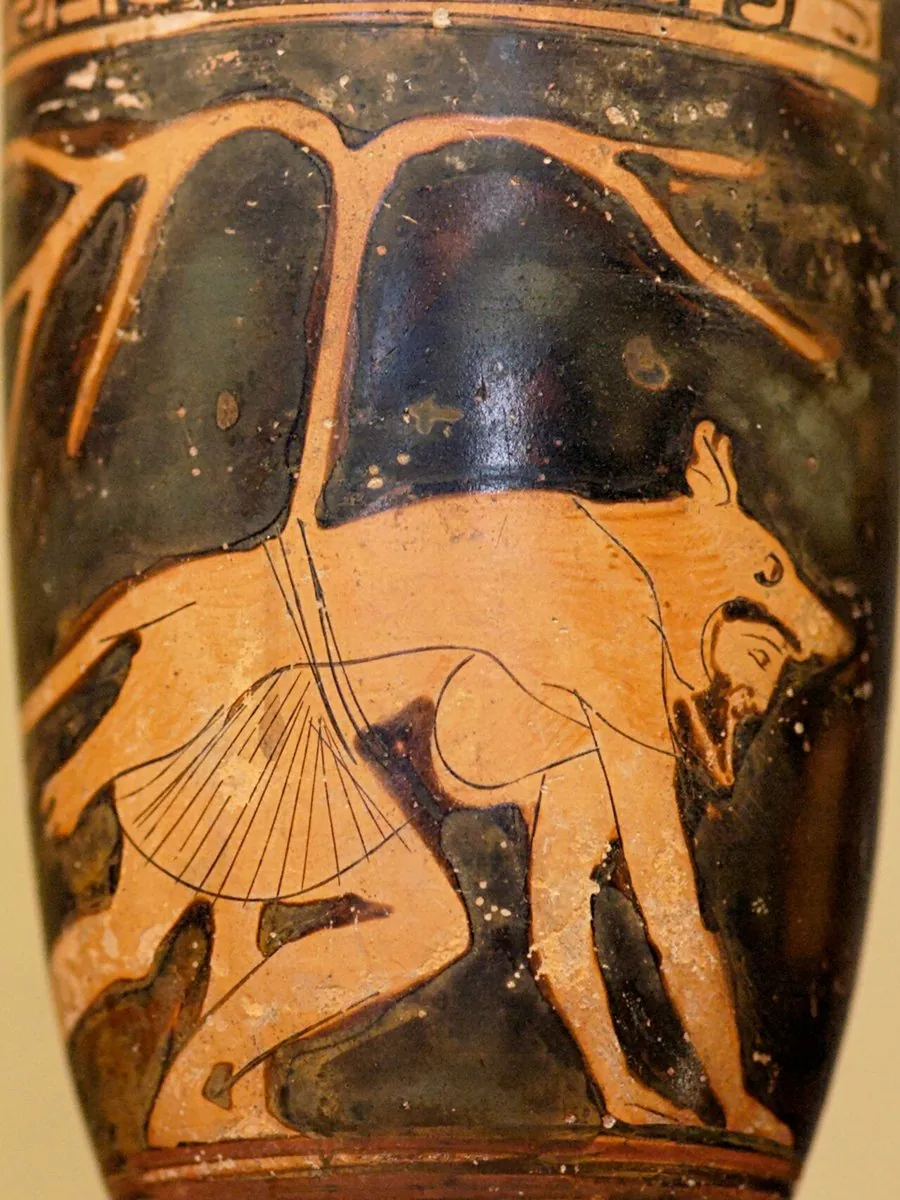
Wrapped in mist, Hera and Hypnos cross the sea and reach Ida. Before Zeus sees him, Hypnos climbs a towering fir and hides among its branches in the form of a mountain bird. Hera approaches the ruler, desire takes hold of Zeus, and he conceals their embrace in a golden cloud. Once love and sleep have overcome him together, Hypnos hurries to the Greek ships. He tells Poseidon to help the Greeks vigorously while the opportunity lasts. This small figure thus connects mountain and battlefield, turning an interruption of watchfulness into someone else’s chance to act. He does not defeat Zeus with a second thunderbolt or take his throne. He changes, for a limited time, who can see, who can intervene, and who carries the news.
A gentle visitor can enter a dangerous bargain
Describing the home of Night, the Theogony places Sleep beside Death without making them the same power. Sleep travels gently over earth and sea and is kind to people; Death does not release anyone once he has taken hold. That contrast brings the unusual use on Ida into focus: a power that commonly offers rest becomes part of the gods’ arrangements for war. The poem does not therefore make Hypnos permanently fearless. He is afraid, remembers shelter, demands an oath, and conceals himself before acting. Hera’s plan is assembled from several kinds of assistance, and sleep briefly suspends the strongest ruler’s watch. The war does not end. We do, however, see divine action depending on relationships, promises, and risks that have not disappeared.