Help on an unfamiliar shore
Near the end of Argonautica 4, the Argonauts need a way out of the waters around Lake Tritonis. The voyage has carried them far beyond familiar routes, and strength alone cannot identify the channel they need. Triton approaches in human form, calling himself Eurypylus, and offers help along with a clod of earth as a guest-gift. Euphemus accepts it and asks for directions. The exchange begins with something deliberately modest. The god does not first present a brilliant treasure equal to the fleece. Useful knowledge and an ordinary piece of ground become the forms through which hospitality reaches the exhausted travellers.
Recognizing the giver after the gift
In Apollonius, Triton explains the passage and the route along the coast. His connection with the lake and the handling of the offered tripod reveal that the helper is more than an ordinary local man. Recognition follows assistance rather than preceding it. The crew benefits before fully understanding the giver’s identity. This reverses encounters in which a stranger’s appearance immediately provokes suspicion or combat. The clod is worth keeping because of a relationship, not because it looks costly. Its later importance grows from this meeting, and the poem asks readers to remember the small object while the ship continues towards home.
The dream and the island
Later, Euphemus remembers a dream in which the earth becomes a woman connected with Triton and Libya. Jason interprets the vision as a promise of a home for the hero’s descendants. Following that interpretation, Euphemus casts the clod into the sea, and the island Calliste arises. Apollonius then connects the island’s later name, Thera, with Theras and with movements of descendants through Lemnos and Sparta. These events stretch beyond Euphemus’ own lifetime. The gift is therefore not simply a reward he can spend or enjoy immediately. Its meaning depends on generations who do not yet exist at the time of the voyage.
Pindar tells the passage differently
Pythian 4 also links Euphemus, Triton’s gift, Thera, and the ancestry of Cyrene’s rulers. Pindar places the explanation within Medea’s prophecy. In her account the clod is washed from the ship, and the missed possibility of taking it home changes the timing of the promised settlement. This is not the same action as Euphemus deliberately casting it into the water after Jason’s interpretation in Apollonius. Keep the two narrative choices visible. Pindar’s victory ode addresses a ruling house and uses the Argonautic past to give depth to its present, while the later epic places the gift within its returning crew’s journey.
What a foundation story can explain
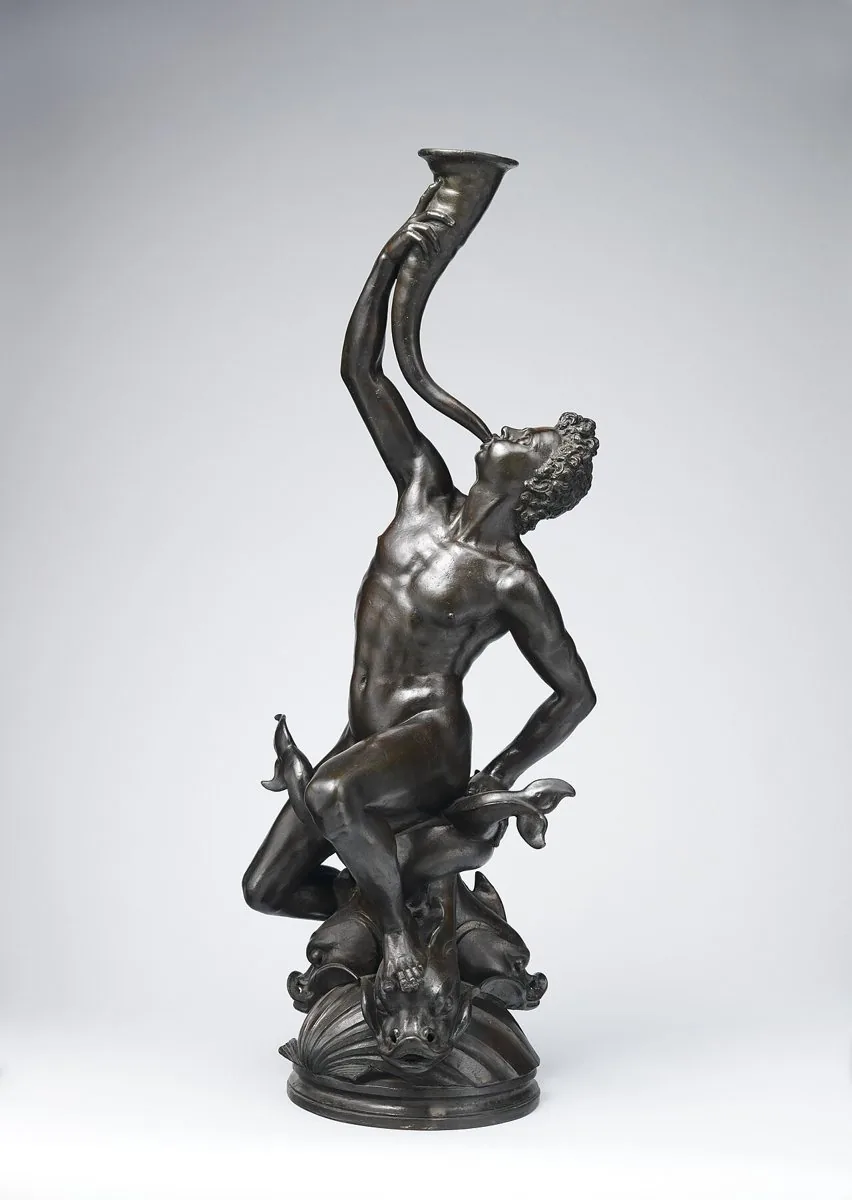
Both poems turn a portable fragment of land into a connection between travel and belonging. They are valuable evidence for how communities and poets imagined ancestry, migration, and divine favor. They are not archaeological proof of every event they describe, nor an independent justification of ownership over other peoples’ land. The Triton sculpture pictured here introduces the sea-god’s artistic identity rather than depicting the handing over of the clod. Read these passages beside the site’s stories of Apollo, Jason, and the Argo: a voyage can end with an unexpected route home while also opening a story whose claimed destination lies many generations ahead.