Eros Is Not Always a Child
Hesiod's "Theogony" allows Eros to appear with the original world, saying that he can influence the minds of gods and humans. He is not Aphrodite's newborn baby here, love is closer to the cosmic force that brings life together. Later art and poetry often depicted Cupid as a winged boy, and Roman works also called him Cupid or Amor. Putting these images together facilitates comparison, but it should not follow that all ancient authors gave him the same parents and age.
The effects of different arrows also distinguish the person who shoots from the person struck: Cupid can decide when a certain impulse occurs, but the affected person has to bear the consequences of chasing and fleeing. Bows and arrows concentrate power on very small movements, and a momentary hit may change a long life. This disproportionate structure is an important reason why the seemingly light image of the god of love continues to appear dangerous in mythology.
Gold and Lead Make Desires Unequal
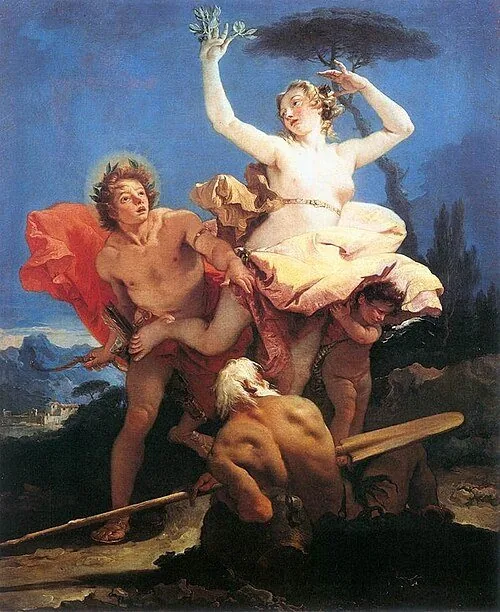
Book 1 of Ovid’s Metamorphoses gives Cupid two different arrows. Gold-tipped arrows aroused love, blunt lead arrows repel love; he shot the former at Apollo and the latter at Daphne in response to Apollo’s contempt for Cupid’s weapons. Gods can also be influenced by the young god of love, but wishes do not naturally match. This detail reminds readers that love in mythology is often a force acting on the body and judgment, and does not necessarily equal a relationship of mutual understanding.
An Arrow Is No Substitute for Consent
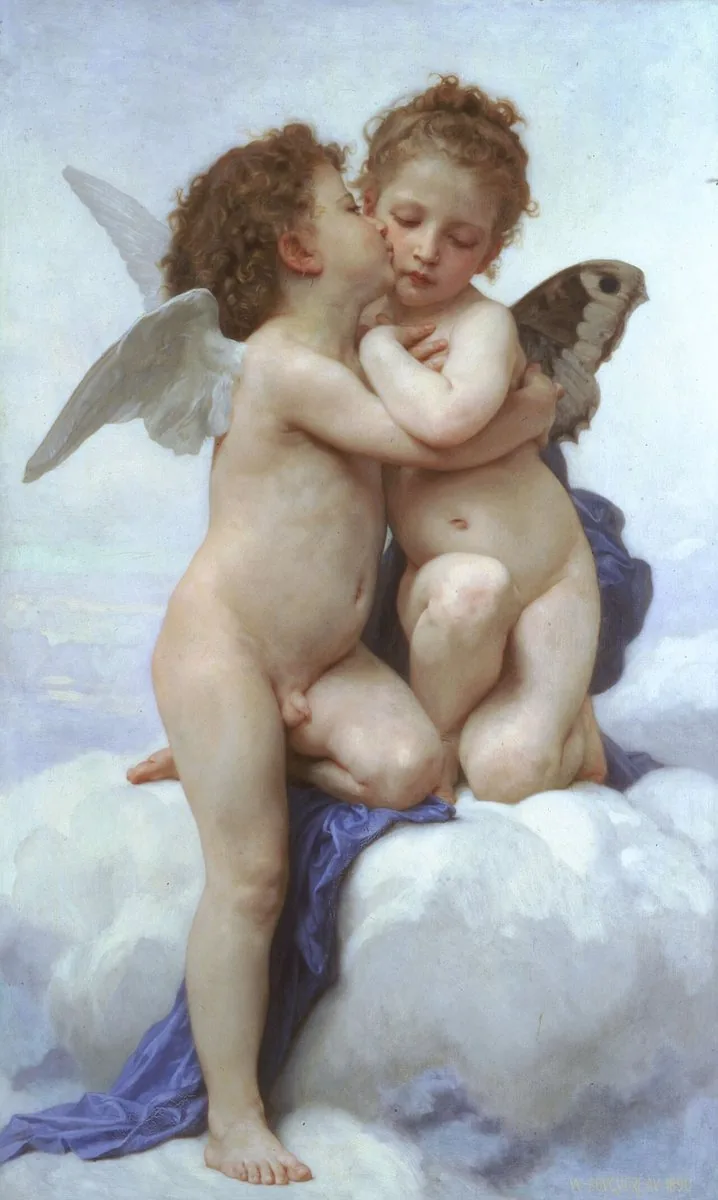
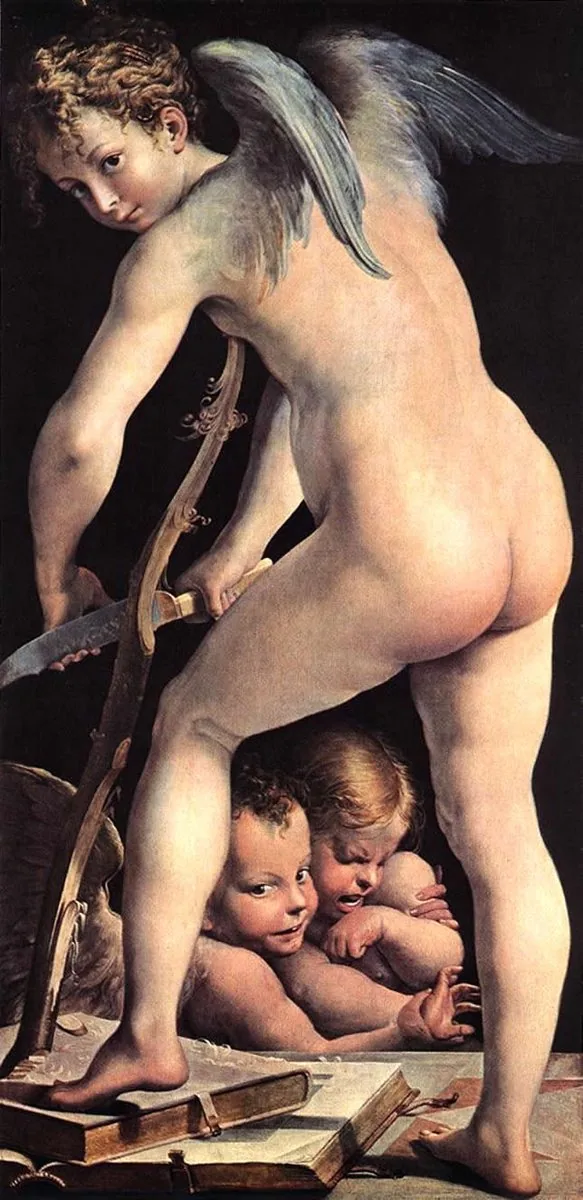
The bow and arrow give invisible impulses a visible form, and also allow love to be written as an experience that occurs suddenly and may not necessarily be chosen. But the stronger Apollo's feelings do not mean that Daphne should accept him more. When reading, you should distinguish between being pushed by force and the other person's willingness to respond. Later paintings of Cupid, who are cutting bows, holding arrows, or kissing, often have a sense of play, which can express the lightness of emotions, and may also conceal its danger in ancient narratives. The same small weapon can not only symbolize pleasure, but also initiate pursuit and loss.