Triumph does not equal safety
Aeschylus's "Agamemnon" begins with the waiting palace, the beacon fire brings the news of the fall of Troy, and the commander finally returns to Argos. The victory of the expedition makes people look forward to the restoration of order, but the memories of the chorus constantly remind the audience that the expedition began with harm that could not be erased. When a winner steps into the home, it does not mean that he has got rid of the past; home happens to preserve memories beyond battlefield reporting. The work juxtaposes public celebration with private accumulation of hatred, gradually unraveling the dangers behind the triumph.
The daughter's death remains present
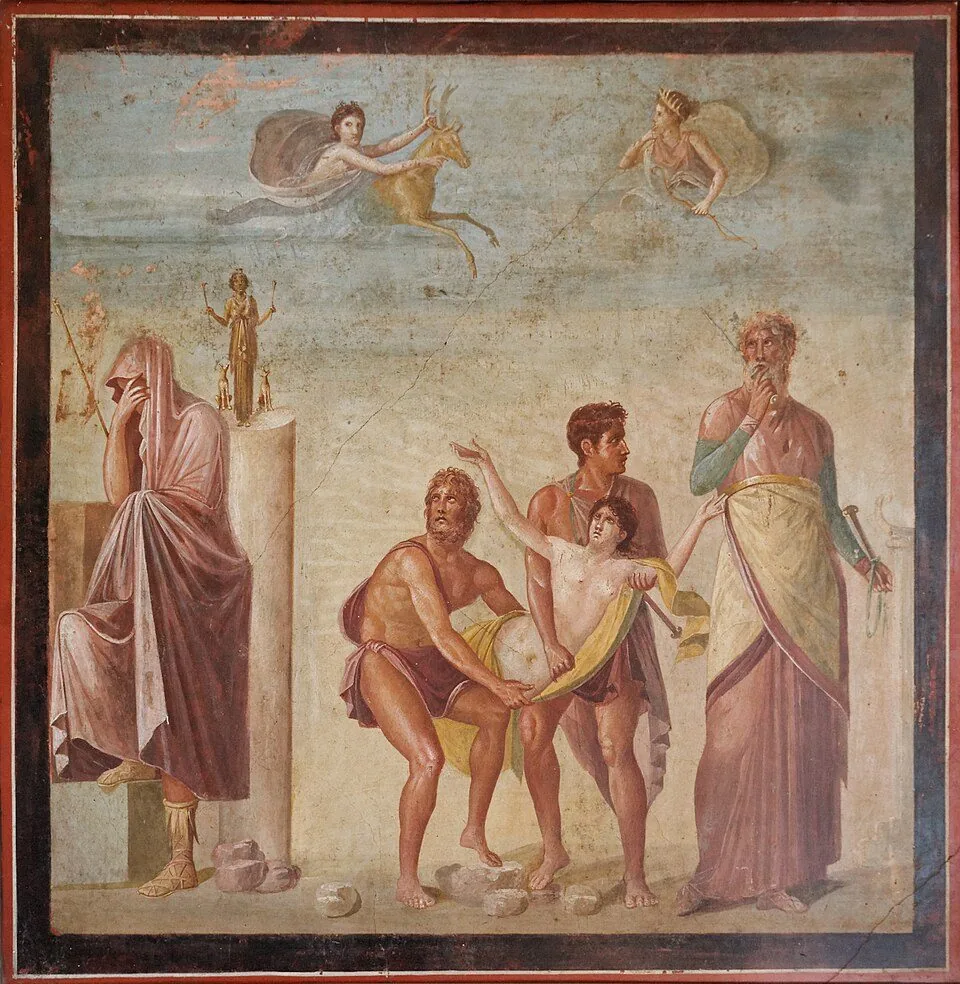
Clytemnestra sees Iphigenia’s sacrifice as a blood debt that Agamemnon must repay. Her relationship with Aegisthus and the earlier violence of the royal family also played a role in the murder, so the action cannot be reduced to an extramarital affair. Tragedy does not automatically justify any one motive, but rather shows how different people use family affection, revenge, and power to justify their killings. When every revenge claims to be repayment of an old sin, the new hurt will continue to be the reason for the next revenge.
A step onto costly cloth
The queen invites Agamemnon to step onto the expensive fabric. He is initially worried that such treatment is too similar to the honor enjoyed by the gods, but in the end he still accepts. This scene, often read as a sign of arrogance, also has a practical stage function: he is seen gradually entering the palace under the Queen's orders. The richness of the fabric contrasts sharply with the blood about to be spilled. It should not be interpreted as an isolated magical taboo, as if one wrong step could directly lead to death; previous deceptions and blood debts were already driving the event.
Cassandra is also a victim
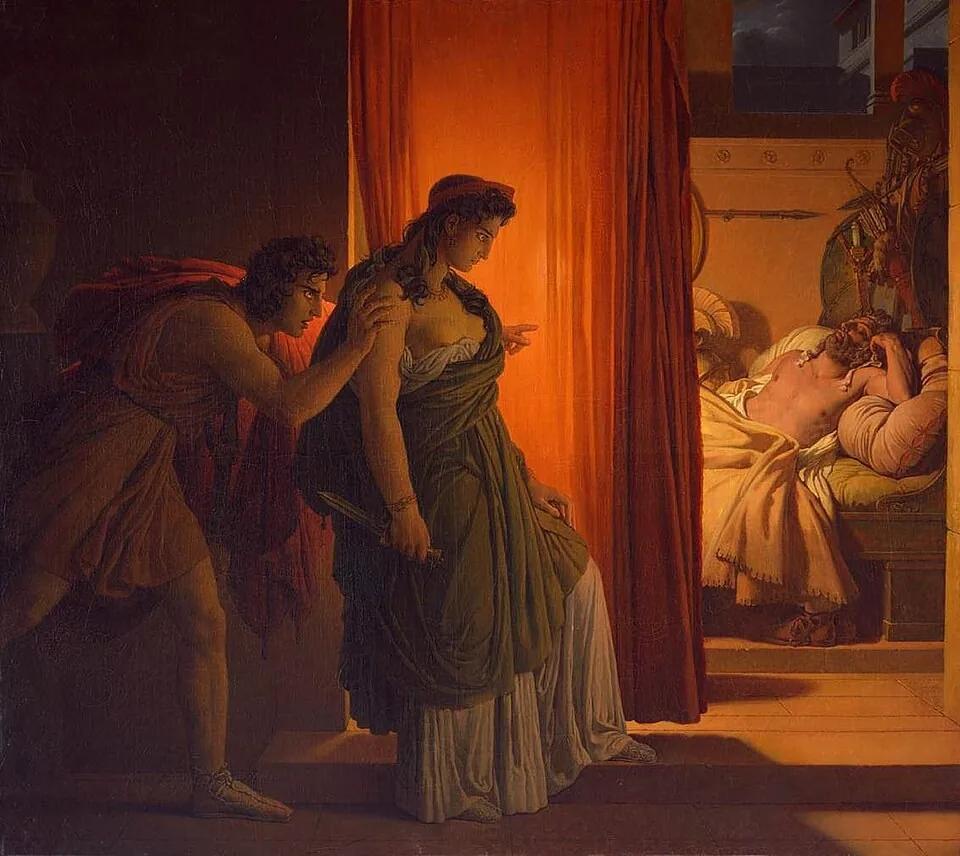
After being brought back, Cassandra foresaw the murder in the palace and knew she could not avoid death. She reminds readers that this family tragedy also includes the fate of captives claimed by the victors, and they cannot just focus on the relationship between the king and the queen. Later paintings sometimes chose the moment when the queen was hesitating holding an ax outside the door, compressing the plot into a decision. When reading it in conjunction with the play, it should be remembered that there are people who are deprived of choice, both inside and outside the door; royal revenge never only hurts both parties involved in the power struggle.