The help in Colchis lies in the past
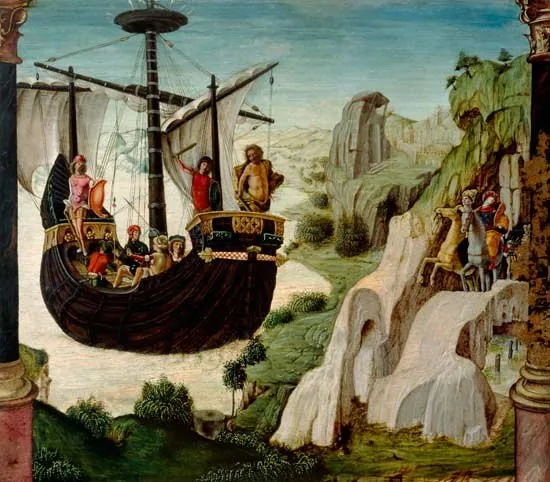
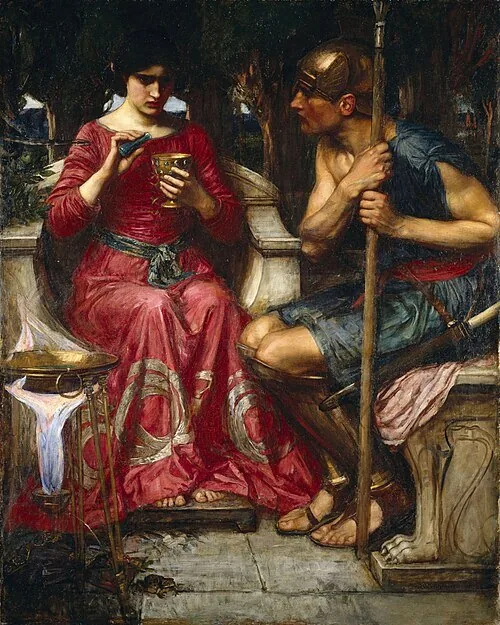
In the Argonautica, Medea’s feelings for Jason are influenced by divine arrangements, yet she still experiences hesitation, fear, and decision. She helps him pass the trials with her preparations, then leaves her homeland aboard the ship. Euripides’ Medea takes place much later in Corinth, where Jason plans to marry a local princess, breaking the earlier bond. The opening Nurse recalls the Argo’s expedition without reenacting the entire voyage. Connecting epic and tragedy requires acknowledging their different times and purposes: one presents Medea as a girl before leaving home, the other as a mother facing exile.
Who made whose success possible?
Medea stresses that she saved Jason and abandoned her father’s household. Jason credits the god of love instead and claims that his new marriage will secure status and protection for his existing family. Their language reveals experiences that cannot be exchanged: she treats the past as a promise requiring repayment, while he uses future political advantage to justify betrayal. King Creon orders her to leave; she wins one day’s delay and obtains a promise of refuge from the passing Aegeus. These actions make the tragedy more than a matter of jealousy. Who can remain in the city, who has new family support, and who will lose children and a home all shape her situation.
Understanding a situation does not erase guilt
Euripides has Medea kill the princess and king through poisoned gifts, kill her own children, and finally depart in a divinely provided chariot. The drama places her hesitation and decision before the audience without making betrayal an automatic defense for every action. Other ancient traditions explain the children’s deaths differently, so this ending belongs specifically to this tragedy. Artists often choose her holding a child, carrying a sword, or reflecting, emphasizing an action not yet carried out or already decided upon. Readers can recognize both the injustice suffered by the exile and the irreparable harm she then causes. Keeping both in view comes closer to the play’s persistent unease than making her simply a wicked woman or a pure emblem of revenge. Jason’s heroic title likewise does not exempt his promises from scrutiny.